
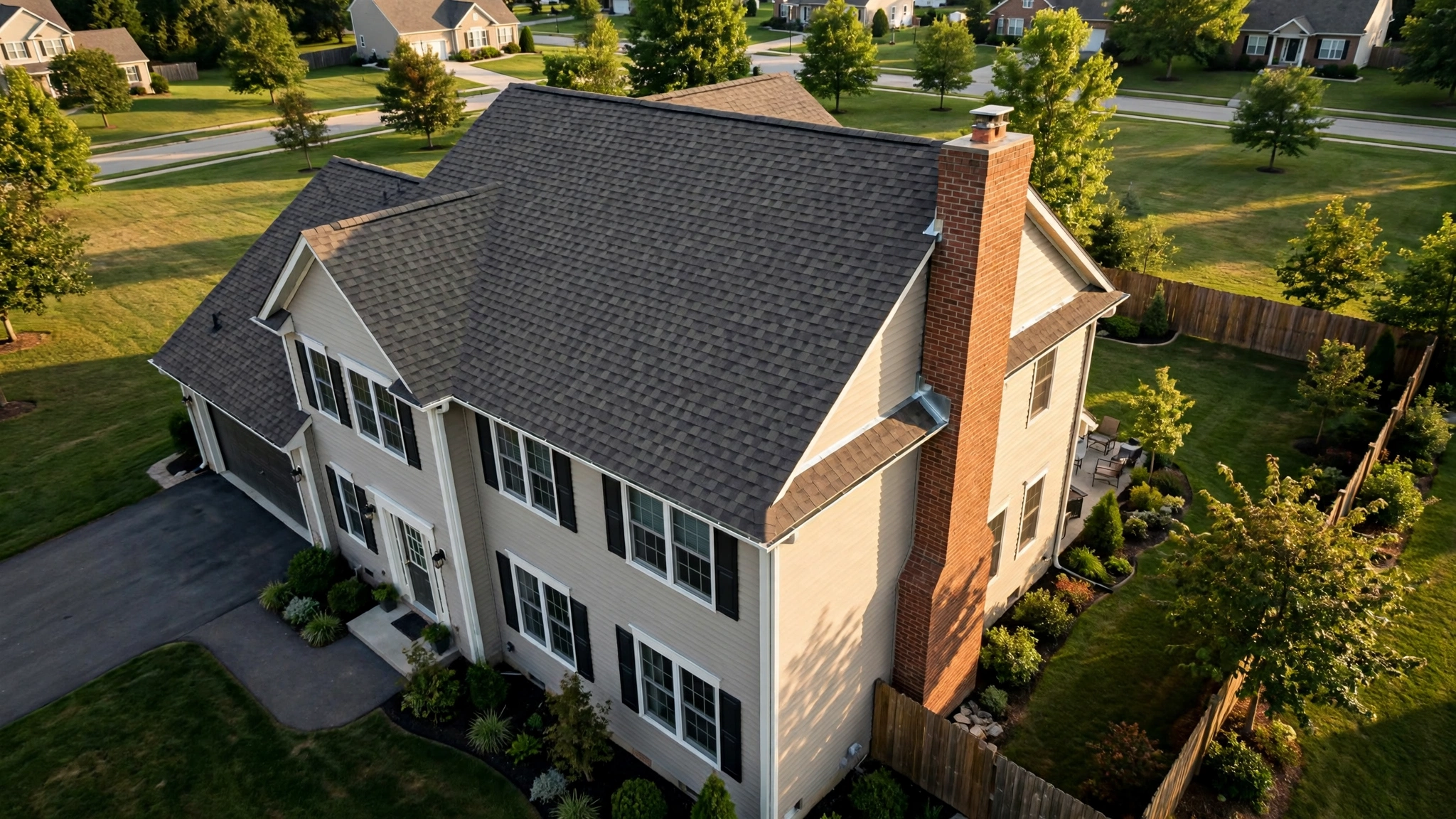
A failing roof rarely announces itself politely: it starts as a faint ceiling stain or a few granules in the gutter. A roof replacement means removing your old roofing down to the deck and installing a complete new system: underlayment, flashing, ventilation, and shingles or another material. Most asphalt shingle replacements take one to three days and cost between $8,000 and $20,000, depending on roof size, material, and pitch.
The difference between a smooth project and a costly regret comes down to knowing the signs, the material trade-offs, and how to vet a contractor first. This guide covers every stage, from the first ceiling stain to the final warranty paperwork, using current 2026 cost data and industry standards.
Key Takeaways
- A roof replacement installs a complete new system from the deck up: underlayment, flashing, ventilation, and surface material.
- Replace rather than repair when damage is widespread, the roof is near end of life, or repairs keep recurring.
- In 2026, a typical asphalt shingle replacement runs $8,000 to $20,000; metal, tile, and slate cost more but last two to five times longer.
- The contractor matters as much as the material: verify license and insurance yourself, get three itemized bids, and reject large upfront deposits.
- Two warranties protect you: the manufacturer’s material warranty and the contractor’s workmanship warranty. Get both in writing and ask about transferability.
Table of Contents
- How Do I Know If My Roof Needs Replacing?
- What Does a Full Roof Replacement Actually Include?
- Which Roofing Material Should I Choose?
- How Much Does a Roof Replacement Cost in 2026?
- How Do I Vet a Roofing Contractor?
- What Happens on Replacement Day?
- What Warranties Should I Expect?
How Do I Know If My Roof Needs Replacing?
Look for missing, cracked, or curling shingles, bald patches from granule loss, and dark streaks or moss. In the attic on a dry day, check for water stains, damp insulation, daylight through boards, or a sagging deck.
Age decides the rest: asphalt shingles typically last 20 to 25 years, so a roof near that range deserves inspection even if it looks fine from the driveway. Repair suits isolated damage, such as a few blown-off shingles or one loose flashing. Replace when leaks repeat, damage covers large areas, decking is soft in multiple places, or repair bills keep coming; once repairs approach a third of a replacement quote, the new roof wins. For vacation rental owners the math tilts further toward replacement, since a leaking roof directly damages guest satisfaction and reviews.
Before calling anyone, document what you see: photograph problem areas from the ground (never climb a steep roof yourself) and note when stains first appeared, since that record helps the inspector and supports any insurance claim.
What Does a Full Roof Replacement Actually Include?
A replacement is a system, not a surface. The crew tears off old roofing to the wooden deck, repairs damaged decking, then builds upward: ice and water barrier at eaves and valleys, underlayment, new flashing at chimneys, vents, and skylights, the roofing material, ridge ventilation, and drip edge, finishing with a magnetic nail sweep. A quote that omits underlayment, flashing, ventilation, or disposal describes a thinner scope: never compare it on price alone.
The main choice is tear-off versus overlay. A tear-off removes everything to the deck, exposing hidden rot and allowing proper underlayment; it is the standard recommendation. An overlay lays new shingles over one existing layer, costs less, but hides deck problems, adds weight, and often weakens manufacturer warranties. Most codes cap roofing at two layers, so a two-layer roof must be torn off.
Ventilation is rebuilt or corrected as part of most jobs: trapped heat and moisture cook shingles from below, so contractors balance soffit intake vents with ridge exhaust. The National Roofing Contractors Association (NRCA) publishes ventilation guidelines: treat ventilation as part of the system quote, not an add-on.
Which Roofing Material Should I Choose?
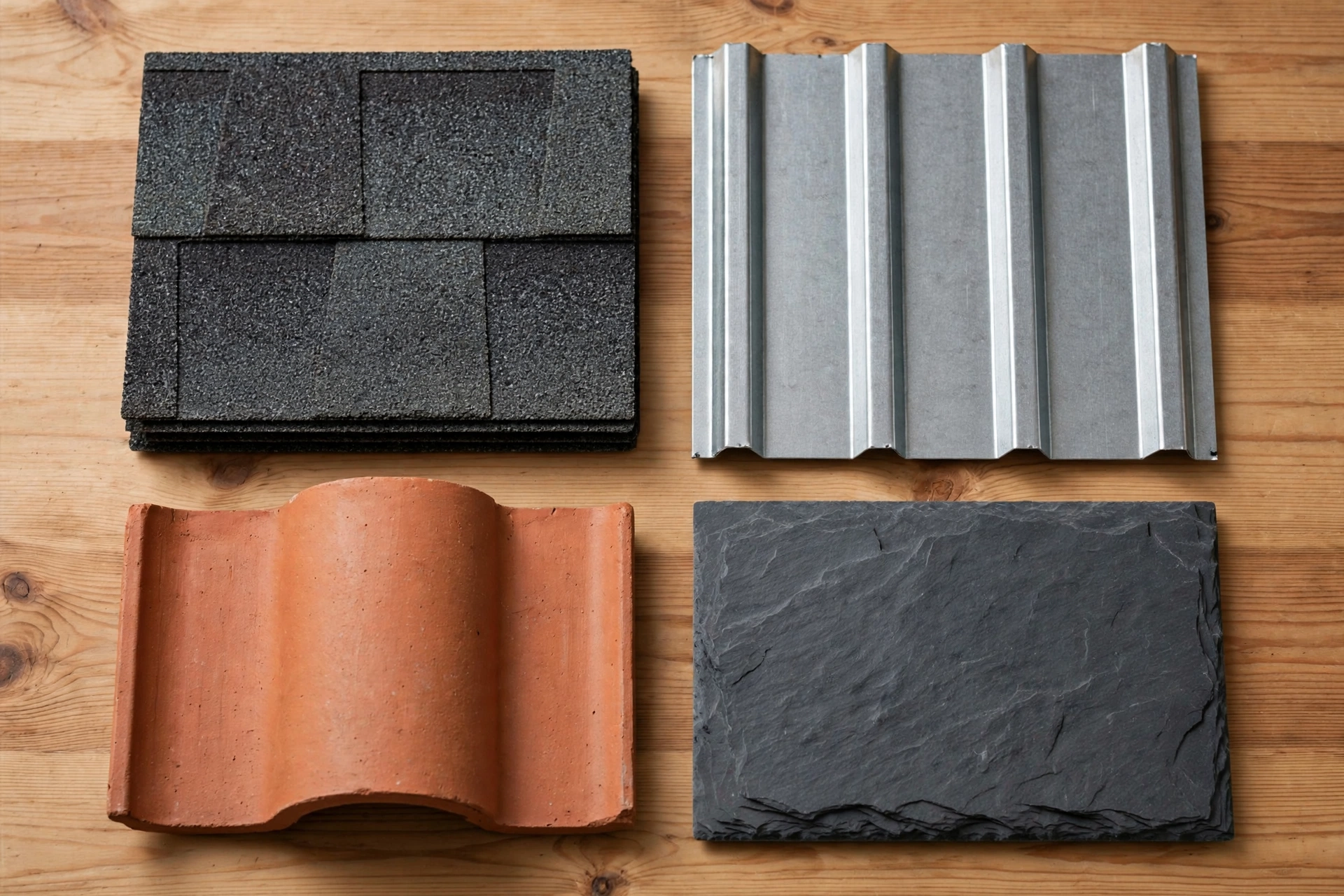
Material choice trades upfront cost against lifespan, weight, and appearance. Asphalt dominates on affordability; metal, tile, and slate cost more but can outlast the mortgage. Match the material to your time horizon, climate, and structure.
| Material | Typical lifespan | 2026 installed cost (typical home) | Best for |
|---|---|---|---|
| Three-tab asphalt shingles | 15 to 20 years | $6,000 to $10,000 | Tight budgets, simple roofs, short-term ownership |
| Architectural asphalt shingles | 25 to 30 years | $8,000 to $20,000 | Most homeowners: best balance of cost and life |
| Metal (standing seam) | 40 to 70 years | $14,000 to $38,000 | Long-term owners, snow and wildfire regions |
| Concrete or clay tile | 50 to 100+ years | $14,000 to $28,000+ | Mediterranean-style homes, hot climates |
| Natural slate | 75 to 150 years | $20,000 to $60,000+ | Historic homes, owners prioritizing permanence |
| Wood shakes | 20 to 40 years | $14,000 to $28,000 | Rustic aesthetics where fire codes allow |
| Synthetic composite | 30 to 50 years | $16,000 to $45,000 | Slate or shake looks at lower weight |
Ranges reflect 2026 national planning data (Fixr, HomeAdvisor, contractor guides); region, complexity, and product grade move the final number. Labor is typically 40 to 50 percent of the total, which is why two bids for the same roof can differ by thousands.
Asphalt shingles: the default choice
The familiar layered roof shingle covers most US homes: light, inexpensive, fast to install. Three-tab is the budget tier; architectural (laminate) shingles are thicker and longer lived, the usual recommendation. Look for ASTM D7158 wind ratings (Classes G and H top the scale) and, in hail regions, UL 2218 Class 4 impact resistance. GAF, Owens Corning, and CertainTeed lead the market, but the exact product line matters more than the brand: get it named in the quote.
Metal roofing: pay more now, replace never
Standing-seam metal roofing uses interlocking panels with concealed fasteners: excellent wind resistance and easy snow shedding. Its 40 to 70 year lifespan makes it the lowest lifetime-cost option for long-term owners, and reflective coatings cut cooling loads (some carry Energy Star ratings). Trade-offs: higher upfront cost, a metal-experienced crew, and rain noise, largely tamed by good underlayment and insulation.
Tile, slate, and alternatives
Clay and concrete tile deliver 50-plus-year durability and fire resistance, but their weight demands confirmed framing and a tile specialist. Natural slate lasts 75 to 150 years yet needs highly skilled labor and a structure built for serious weight. Synthetic composites mimic slate or shake at a fraction of the weight and often with Class 4 hail ratings. Wood shakes are niche and maintenance-heavy, restricted by fire codes in many western states. Flat or low-slope sections need single-ply membranes (TPO, EPDM, or modified bitumen) instead of shingles.
Check constraints before getting quotes: homeowner associations and historic districts often restrict materials and colors, and most municipalities require a roofing permit, which your contractor should pull.
How Much Does a Roof Replacement Cost in 2026?
Roofers price by roof surface area, not floor plan, using the “square”: 100 square feet of roof. A 2,000 square foot house often has 2,400 to 3,000 square feet of actual roof with pitch and overhangs counted. Nationally, full replacement runs about $4 to $11 per square foot, with HomeAdvisor placing the 2026 average at $9,609 across all materials.
The most common job, an architectural asphalt tear-off on a typical home, runs roughly $8,000 to $20,000. Scope drives position in the range: steep pitch, extra tear-off layers, dormers, valleys, and chimneys add labor and flashing work, while rotted decking found after tear-off is usually billed per sheet, so clarify that line item before signing. Premium materials scale upward: metal $14,000 to $38,000, tile $14,000 to $28,000, slate $20,000 past $60,000 on larger roofs.
Get three quotes with identical scope and compare line by line: material brand and product line, underlayment, flashing, ventilation, decking-replacement pricing, and cleanup. The cheapest bid often wins by quietly thinning one of these. Budget like you would plan a small business budget: set a base number, add 10 to 15 percent contingency for hidden deck damage, and include financing costs.
Finance with a home equity loan or HELOC for the lowest rates if you have equity; personal loans work without equity at higher interest. Compare contractor financing against a bank quote. Insurance covers sudden storm, hail, or fallen-tree damage, never wear and tear or age, and may pay replacement cost value or depreciated actual cash value: read your policy and photograph damage first.
How Do I Vet a Roofing Contractor?
This is where expensive mistakes happen. Get three written, itemized estimates, then verify each contractor independently: check the license number on your state’s licensing board site, and require liability and workers’ compensation certificates, ideally from the insurer directly. Favor detailed Google and Better Business Bureau reviews mentioning real addresses, ask for recent local references, and call them.
Red flags that mean walk away:
- A large deposit (25 percent or more) before work begins; established local contractors ask for little or nothing upfront.
- An offer to “cover your deductible” or inflate a claim: insurance fraud that can get your claim denied or policy canceled.
- A “today only” quote or any high-pressure push to sign immediately.
- No material brands named, allowing cheaper shingles to be substituted after you sign.
- No square footage or warranty terms in writing, or vague “miscellaneous” line items that become blank checks mid-job.
- No verifiable local address or recent project photos, or a crew that appeared right after a storm (the “storm chaser” pattern).
- Being asked to pull the permit yourself, which often signals an unlicensed operator.
Green flags are the mirror image: a physical local office, photo-documented nearby jobs, clear written scope with brand names, and modest milestone-based payments. Manufacturer certifications (such as GAF Master Elite or Owens Corning Preferred status) indicate training thresholds: a plus, not a requirement.
What Happens on Replacement Day?
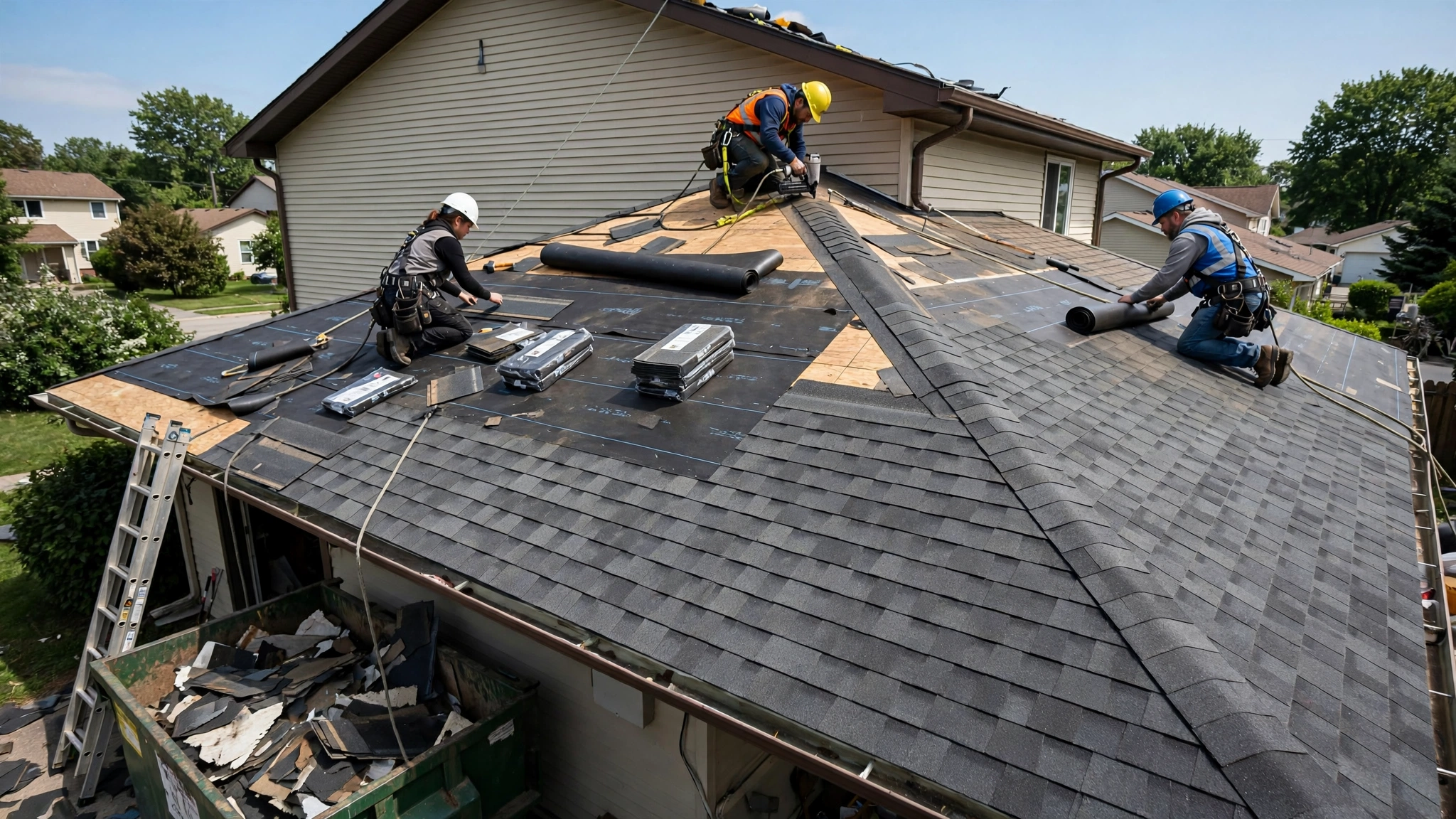
Most asphalt replacements finish in one to three days; metal, tile, and slate take longer. Day one is tear-off: the crew tarps landscaping, strips the old roofing, and inspects the deck, replacing rotted sheets. Then the build: ice and water barrier, underlayment, flashing, field material, ridge vents and caps. The final day is detail work and cleanup: magnetic nail sweep, gutter check, walkthrough.
Your job is preparation plus one careful final inspection. Before the crew arrives: move vehicles, clear patio furniture, mow the lawn short (easier nail pickup), and cover attic items, since dust falls through during tear-off. Take pictures off walls; hammering vibrates through the house. Keep pets and noise-sensitive people elsewhere on tear-off day and warn neighbors ahead.
Walk through with the foreman before the final payment: check flashing at chimneys and walls, sealed vents, and a yard and driveway clear of debris and nails. Collect the warranty paperwork and lien waiver now, not weeks later. Clearing the house exterior beforehand helps the crew too; a practical exterior cleaning routine means less grime under new flashing. Decluttering the attic beforehand is a fine excuse to simplify storage, a mindset minimalist living readers will recognize.
What Warranties Should I Expect?

Two warranties protect a replacement, and confusing them is common. The manufacturer’s material warranty covers defects in shingles or panels, typically 25 years to lifetime by product tier, but only the materials, with prorated terms shrinking payouts over time. The contractor’s workmanship warranty covers installation errors, the actual cause of most early failures: reputable contractors offer 5 to 25 years, and this is the warranty you will most likely use.
Enhanced “system” warranties bridge the two: when a certified contractor installs a full system from one manufacturer, brands like GAF, Owens Corning, and CertainTeed offer extended coverage with longer non-prorated terms, sometimes including manufacturer-backed workmanship. They cost more and require certified installers, but they are the strongest protection available.
Before signing, ask: what is covered and for how long, in writing; whether the warranty transfers if you sell (a genuine resale asset); and what voids it (improper ventilation, unauthorized repairs, and pressure-washing are common exclusions). File the paperwork with your deed.
Frequently Asked Questions
How long does a roof replacement take? Most asphalt shingle replacements take one to three days, weather permitting. Metal roofs usually take three to five days; tile and slate can take one to two weeks with each piece set individually. Permits, delivery, and scheduling add time beforehand, so ask for the full timeline up front.
Can I stay in my home during a roof replacement? Yes, in nearly all cases, since the crew works outside. Expect loud noise during tear-off and nailing, vibration that rattles pictures, and dust falling into the attic. Keep pets, babies, and remote workers elsewhere on the loudest day and the driveway clear for deliveries.
Should I replace my gutters at the same time? Often yes, if they are aging, because gutters are removed and reinstalled during most replacements anyway, so new ones avoid paying that labor twice. Ask the contractor to price gutters as a separate line item. If yours are under ten years old and sound, reuse them.
Is it better to replace a roof in summer or winter? Late spring through early fall is ideal: sealants bond faster in warmth and crews work longer days. Experienced roofers install year-round, and winter scheduling can mean faster booking and occasionally better pricing. In freezing weather, ask how the crew handles shingle sealing in the cold.
Will my homeowner’s insurance pay for a roof replacement? It depends on the cause. Sudden damage from hail, windstorms, or fallen trees is generally covered minus your deductible; gradual wear, age, and neglect are not. Policies pay replacement cost value or depreciated actual cash value, which changes your out-of-pocket number. Photograph damage and file the claim before work begins.
Conclusion
A roof replacement stops being intimidating once you see the standard sequence: inspect and document, choose a material for your timeline and climate, collect three itemized bids, verify the contractor’s credentials yourself, prepare the property, supervise the walkthrough, and file the warranty paperwork. The two decisions that matter most are the contractor and the scope in the quote; everything else flows from those.
Your next step is a documented inspection: walk your property, photograph what you see, check the attic, and note the roof’s age. Then invite two or three well-reviewed local contractors for written, itemized estimates with named materials and warranty terms. Compare scopes line by line and schedule in a season that suits your climate. For more homeowner guidance in the same spirit, browse Voice of Wave: a new roof is decades of quiet protection, bought once and bought well.