

Introduction
Mucus in stool is a jelly like substance that appears on stool, on toilet paper, or in the toilet bowl, and a small amount is normal because the colon makes mucus every day to protect and lubricate its lining. Mucus in stool needs a doctor visit when it comes with blood, fever, belly pain that stays, diarrhea that lasts more than a few days, or weight loss that has no clear cause, and a small clear amount with no other symptoms rarely needs urgent care. This guide covers the normal role of mucus, the common causes, what each color can mean, the warning signs, the tests a clinician can order, and the steps to take at home while you wait. This article gives general information only, not medical advice, and persistent symptoms warrant a clinician visit.

Key Takeaways
- A small amount of clear mucus in stool is normal.
- Blood, fever, lasting diarrhea, or weight loss change the picture.
- White mucus in stool is a common irritable bowel syndrome (IBS) symptom.
- Mucus with blood, pus, or severe pain needs same day care.
- Note the pattern before the visit. Record color, amount, and other symptoms for 3 to 7 days.
Table of Contents
- What Is Mucus in Stool?
- Is Mucus in Stool Normal?
- What Causes Mucus in Stool?
- What Does the Color of Mucus in Stool Mean?
- When Should You See a Doctor About Mucus in Stool?
- What Tests Can a Doctor Order for Mucus in Stool?
- What Can You Do at Home While You Wait?
- Mucus in Stool in Children
- Mucus in Stool vs Pus in Stool
- Myths About Mucus in Stool
- Conclusion
- Frequently Asked Questions
What Is Mucus in Stool?
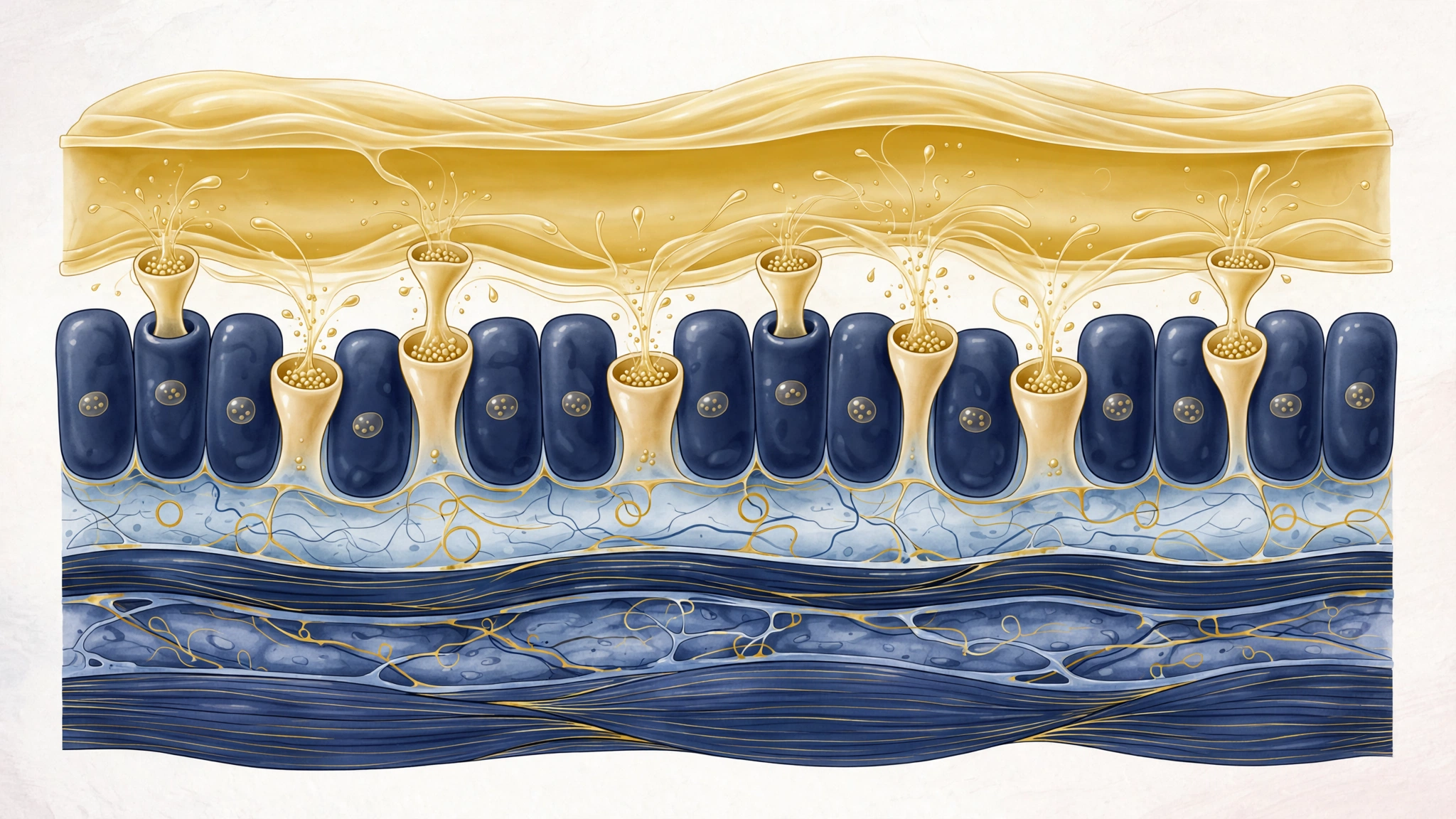
Mucus in stool is mucus from the colon lining that leaves the body with stool, and mucus is a slippery gel that coats the gut lining, traps germs, and helps stool pass. Mucus in stool looks clear, white, or yellow, and it can appear as a thin film, a streak, a strand, or a small blob. The colon lining makes mucus from goblet cells, which are cells in the lining that secrete mucus. The Mucus page on Wikipedia describes how mucus forms a protective layer in the colon and small intestine and limits contact between bacteria and the gut lining.
Is Mucus in Stool Normal?
Yes, mucus in stool is normal in small amounts. Mayo Clinic states that a small amount of mucus in stool is usually nothing to worry about, because the intestines make mucus to keep the lining of the colon moist and lubricated.
Mucus in stool stops being normal when the amount rises, the pattern repeats, or other symptoms join it. A large amount, daily mucus, yellow mucus, or mucus with blood points to irritation, infection, or inflammation in the gut. Cleveland Clinic advises contacting a healthcare provider when mucus in stool is bloody, off white, or yellowish, or when it comes with belly pain, diarrhea that does not go away in 3 days, nausea and vomiting, stomach cramps, or unexplained weight loss. For more plain health guides in the same style, browse the Health section at Voice of Wave.
What Causes Mucus in Stool?
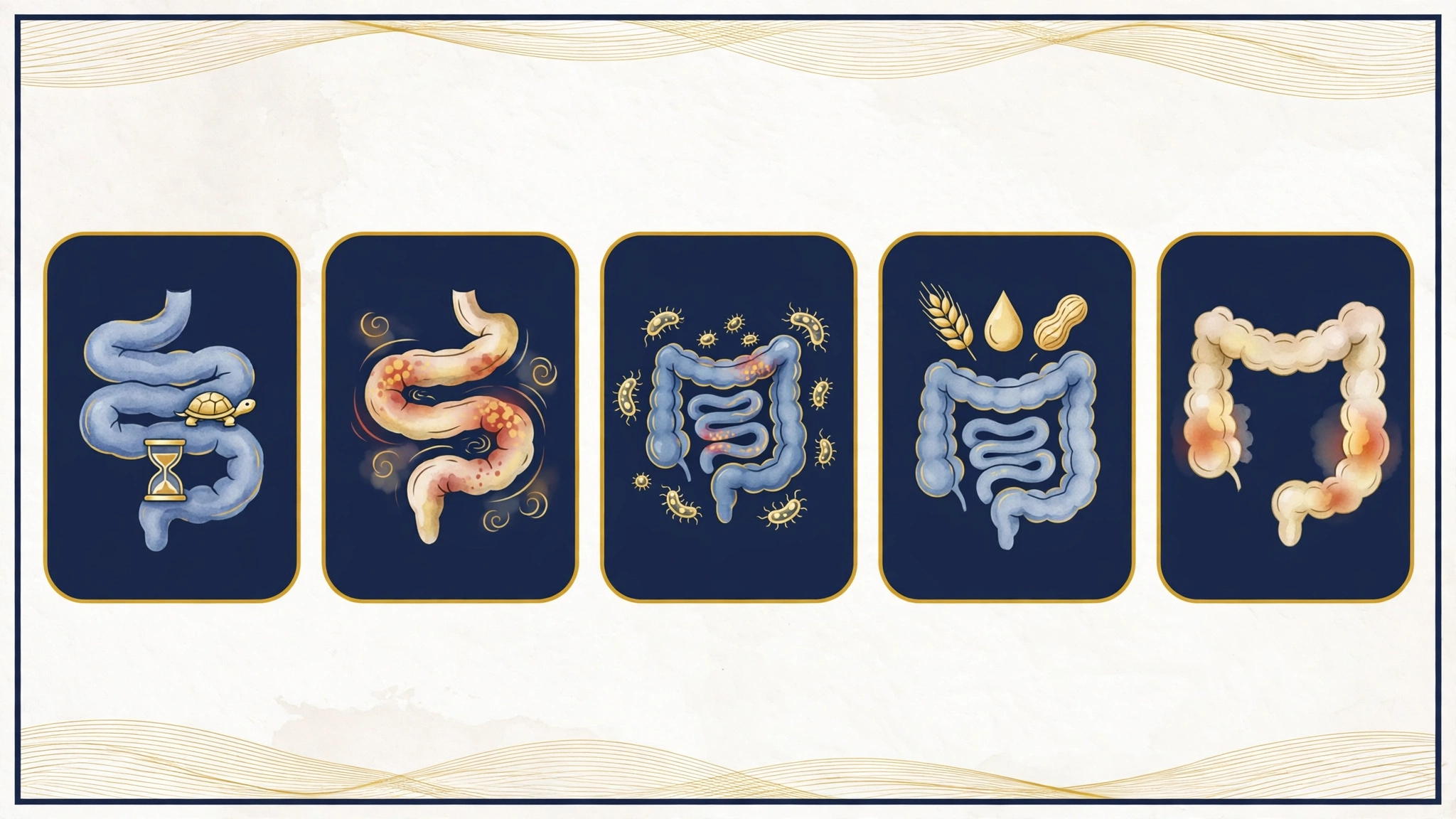
Mucus in stool has 7 common causes: constipation, irritable bowel syndrome (IBS), gut infection, inflammatory bowel disease (IBD), hemorrhoids and anal fissures, proctitis and diverticulitis, and colorectal cancer.
Constipation
Constipation is one of the more common causes of mucus in stool, and the mucus often clears once the constipation clears. Hard stool rubs the lining and prompts extra lubrication, and straining adds the same irritation. A clinician visit is due when constipation lasts more than 3 weeks, or when it comes with blood or weight loss.
Irritable Bowel Syndrome (IBS)
Irritable bowel syndrome (IBS) is a functional gut disorder that causes belly pain, bloating, and changes in bowel habit, and white mucus in stool is a common IBS symptom. Mucus in stool with IBS is usually clear or white, and it appears more during flares of cramping, diarrhea, or constipation. The irritable bowel syndrome page on Wikipedia lists diarrhea, constipation, abdominal pain, nausea, flatulence, and frequent urination among IBS symptoms, and it notes that diagnosis rests on symptoms after other conditions are ruled out. The Rome IV criteria, published in 2016, define IBS by recurrent abdominal pain at least one day a week over the previous 3 months.
Gut Infections
Gut infections cause mucus in stool when bacteria, viruses, or parasites inflame the intestines, and the mucus often arrives with diarrhea, cramping, and sometimes fever. A stool test can name the germ when diarrhea lasts, fever rises, or blood appears.
Inflammatory Bowel Disease (IBD)
Inflammatory bowel disease (IBD) is long term inflammation of the gut lining, and it causes mucus in stool with blood, urgency, diarrhea, and belly pain. IBD covers 2 main conditions: ulcerative colitis and Crohn’s disease. Ulcerative colitis affects the colon and rectum, and passing mucus or pus with stool is a common symptom, along with diarrhea, rectal bleeding, and cramping. Crohn’s disease can affect any part of the gut, and mucus in stool may look like white or yellow streaks on stool.
Hemorrhoids, Proctitis, and Diverticulitis
Hemorrhoids and anal fissures cause mucus in stool when swollen veins or small tears near the anus irritate the lining and leak mucus. An internal hemorrhoid that bulges out can leak clear or white mucus. A fissure is a small tear, and it often brings sharp pain during a bowel movement and bright red blood on paper. Proctitis is inflammation of the rectum, and diverticulitis is infection in small pockets in the colon, and both conditions raise the amount of mucus in stool.
Colorectal Cancer
Colorectal cancer can cause mucus in stool that is bloody or dark black, and it often comes with a lasting change in bowel habit, narrow stools, or weight loss. Mucus in stool alone does not prove cancer, and most mucus in stool has a benign cause. Adults at average risk start colorectal cancer screening at age 45 (Source: US Preventive Services Task Force, 2021).
What Does the Color of Mucus in Stool Mean?
The color of mucus in stool gives a first clue, and clear or white mucus is the usual pattern, while yellow, green, or bloody mucus needs more attention. Color alone never names a cause, and the same color can come from more than one condition. Use the table with the amount, the frequency, and the other symptoms.
| Color | What it often means | Next step |
|---|---|---|
| Clear | Normal mucus, or mild irritation | Watch the pattern for a few days |
| White | Common in IBS, constipation, or hemorrhoids | Note flares, book a routine visit when it repeats |
| Yellow | Infection, fast transit, or IBD | Book a prompt visit, sooner with fever or diarrhea |
| Green | Infection with bile that has not broken down | Book a prompt visit, sooner with fever or blood |
| Pink or red streaks | Blood mixed with mucus | Book a prompt visit, same day when bleeding is heavy |
| Black or tarry | Blood digested higher in the gut | Seek same day care |
Yellow mucus in stool often follows infection or fast transit, when bile has not had time to break down.
When Should You See a Doctor About Mucus in Stool?
You should see a doctor about mucus in stool the same day when it comes with heavy bleeding, severe pain, or signs of dehydration, within days when it comes with blood, fever, or weight loss, and at a routine visit when it repeats without other symptoms.
| Tier | Timing | Signs |
|---|---|---|
| Same day care | Today | Large amounts of blood, black tarry stool, severe or worsening belly pain, repeated vomiting, dizziness on standing, very little urine, confusion |
| Prompt visit | Within days | Mucus with any blood, diarrhea with mucus lasting more than a week, fever with diarrhea, unintended weight loss, loss of appetite, unexplained tiredness, symptoms that wake you at night |
| Routine visit | Next routine slot | Mucus that is frequent or increasing, with cramping, bloating, or alternating constipation and diarrhea, but you are otherwise well |
Mayo Clinic advises talking to a healthcare professional when you notice an increase in the amount of mucus in stool. Cleveland Clinic adds diarrhea that does not go away in 3 days, nausea and vomiting, stomach cramps, and unexplained weight loss to the prompt list.
Read one related Voice of Wave guide next: learn how to read your lab results before your visit, so stool and blood test reports make sense.

What Tests Can a Doctor Order for Mucus in Stool?
A doctor can order 4 main tests for mucus in stool: a stool test, a fecal calprotectin test, blood tests, and a colonoscopy, and the choice follows the symptoms, the age, and the exam.
- Stool test. You collect a small stool sample at home in a clean container from the clinician, and the laboratory checks it for germs, parasites, and blood.
- Fecal calprotectin test. You collect a stool sample in the same way, and the laboratory measures calprotectin, which is a protein that rises in stool when the bowel is inflamed. A low result points away from IBD and toward IBS, and a high result points toward inflammation that needs a closer look.
- Blood tests. A blood draw checks for anemia, which is a low red blood cell count, for signs of infection, and for markers of inflammation. Anemia with mucus in stool raises the priority of a colonoscopy.
- Colonoscopy. A clinician passes a thin flexible tube with a camera through the colon to look at the lining, and the visit takes place in a clinic or hospital with sedation. A colonoscopy is kept for people with warning signs, a high calprotectin result, anemia, or age based screening.
Voice of Wave covers health topics in plain language, and this guide follows the same plain style.
What Can You Do at Home While You Wait for an Appointment?
At home, you can drink water, eat fiber in small steps, move daily, and record the pattern, and you should avoid starting a cleanse, a strict diet, or a new medicine without clinician advice. Home steps support the gut while you wait, and they do not replace a visit when a warning sign appears.
- Drink water through the day. Water keeps stool soft, and soft stool rubs the lining less.
- Add fiber in small steps. Add one fiber food at a time, such as oats, beans, or vegetables, and give each step 3 to 4 days before the next step.
- Move daily. A short walk after meals helps bowel movement, and regular movement eases constipation.
- Record the pattern. Note the date, the color, the amount, the stool form, and any pain, fever, blood, or diet change, for 3 to 7 days.
- Skip cleanses and detox kits. No cleanse removes mucus from the gut, and a harsh cleanse can irritate the lining and cause diarrhea.
Mucus in Stool in Children: When to Call the Doctor
Mucus in stool in children needs a doctor call when it comes with blood, fever, vomiting, belly pain, or signs of dehydration, and a small clear amount with no other symptom rarely needs urgent care. Children pass mucus for the same reasons adults do, and infection and constipation lead the list. Call the child’s doctor the same day when the child passes mucus with blood, passes black tarry stool, vomits repeatedly, shows signs of dehydration such as very little urine, dry lips, or dizziness, or has severe belly pain. Call within a day when diarrhea with mucus lasts more than 2 days, or when fever joins the mucus. In an infant or toddler, red jelly like stool with episodes of intense crying and drawn up legs needs emergency care, because that pattern can signal a bowel blockage.

Mucus in Stool vs Pus in Stool
Mucus in stool is a clear, white, or slightly yellow gel, and pus in stool is a thicker, yellow green or cream fluid that often smells bad, and pus in stool always warrants medical attention. The 2 fluids look close at first, but they point to different problems.
| Feature | Mucus in stool | Pus in stool |
|---|---|---|
| Look | Clear, white, or slightly yellow gel | Thicker, yellow green or cream fluid |
| Feel | Slimy, jelly like | Thick, cloudy |
| Smell | Little or no smell | Often bad smell |
| Common cause | Normal lining, IBS, constipation | Infection or strong inflammation |
| Action | Watch the pattern, visit by tier | Book a prompt visit, same day with fever or pain |
Myths About Mucus in Stool
The main myths about mucus in stool claim that stringy mucus proves parasites, that a cleanse peels “mucoid plaque” from the gut, and that any mucus means cancer, and none of those claims holds up.
| Myth | Fact |
|---|---|
| Stringy mucus proves parasites | Stringy mucus is common in IBS and constipation, and parasites need a stool test to name |
| A cleanse peels “mucoid plaque” from the gut | No such plaque layer exists in the colon, and the strings in cleanse photos are mucus and stool, not a lining |
| Any mucus in stool means cancer | Most mucus in stool has a benign cause, and cancer is named by blood, lasting change, weight loss, and tests, not by mucus alone |
| Yellow mucus always means infection | Yellow mucus can follow fast transit and bile color, and infection needs fever, diarrhea, or a test result to name |
A stool test names a parasite, a calprotectin test points toward inflammation, and a colonoscopy looks at the lining. Trust the test result over the video claim, and ask a clinician before buying a cleanse kit.
Conclusion
Mucus in stool is normal in small clear amounts, because the colon makes mucus every day to protect and lubricate its lining. Mucus in stool needs a doctor visit when it comes with blood, fever, belly pain that stays, diarrhea that lasts more than a few days, or weight loss that has no clear cause. White mucus in stool often points to IBS or constipation, yellow or green mucus often follows infection or fast transit, and bloody or black mucus needs same day care. This article gives general information only, not medical advice, and persistent symptoms warrant a clinician visit.
Explore more guides on the Voice of Wave blog for fresh health, lifestyle, and everyday explainers.
Frequently Asked Questions
Is mucus in stool normal?
Yes, a small amount of clear mucus in stool is normal, because the colon makes mucus every day to protect and lubricate its lining. You may see a thin film or a few strands, and that pattern rarely needs care. A large amount, daily mucus, or mucus with blood, fever, or pain needs a clinician visit.
What causes white mucus in stool?
White mucus in stool often comes from irritable bowel syndrome (IBS), constipation, or hemorrhoids, and it can also appear in Crohn’s disease or ulcerative colitis. IBS is the most common cause, and the mucus appears more during flares. A clinician visit is due when white mucus repeats daily or joins blood, pain, or weight loss.
When should I see a doctor for mucus in stool?
See a doctor the same day for heavy bleeding, black tarry stool, severe pain, repeated vomiting, or signs of dehydration. Book a visit within days for mucus with blood, fever, diarrhea lasting more than a week, or weight loss. Mention frequent mucus at a routine visit when you are otherwise well.
Does mucus in stool mean cancer?
No, mucus in stool alone does not mean cancer, and most mucus in stool has a benign cause such as IBS, constipation, or infection. Cancer becomes a concern when mucus joins blood, a lasting change in bowel habit, narrow stools, or weight loss. Adults at average risk start colorectal cancer screening at age 45.
What does yellow mucus in stool mean?
Yellow mucus in stool often means infection or fast transit, when bile has not had time to break down, and it can also appear in inflammatory bowel disease (IBD). Book a prompt visit when yellow mucus joins fever, diarrhea, or belly pain. Note the color, the amount, and the other symptoms for the clinician.
Is mucus in stool in children a concern?
A small clear amount of mucus in stool in children is rarely a concern on its own, and infection and constipation are the usual causes. Call the child’s doctor the same day for mucus with blood, black tarry stool, repeated vomiting, severe pain, or dehydration signs. Call within a day when diarrhea with mucus lasts more than 2 days.