
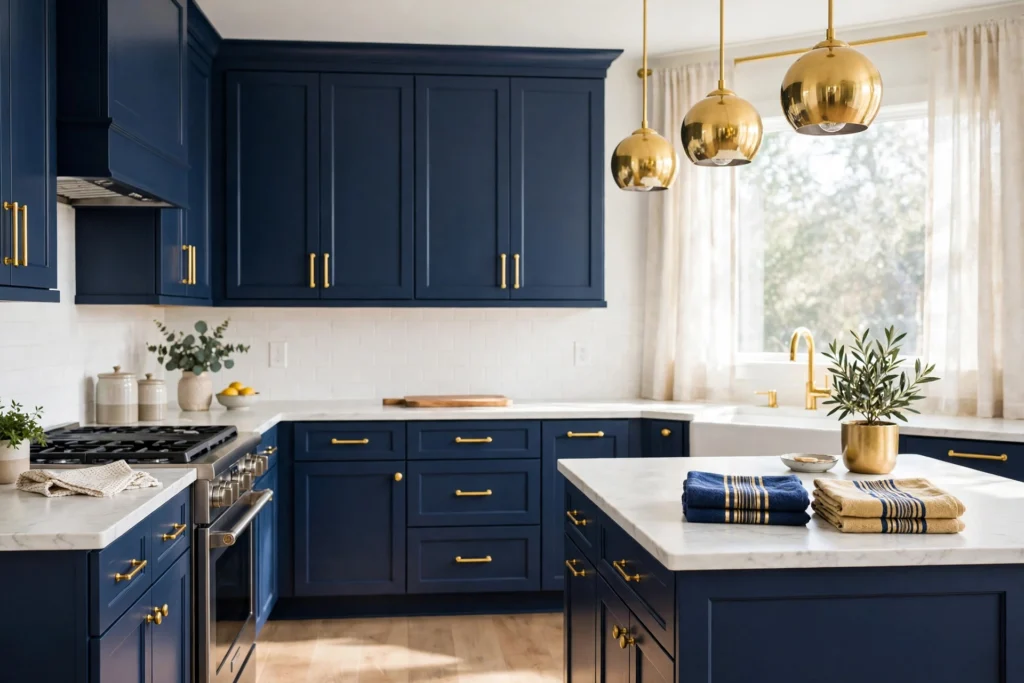
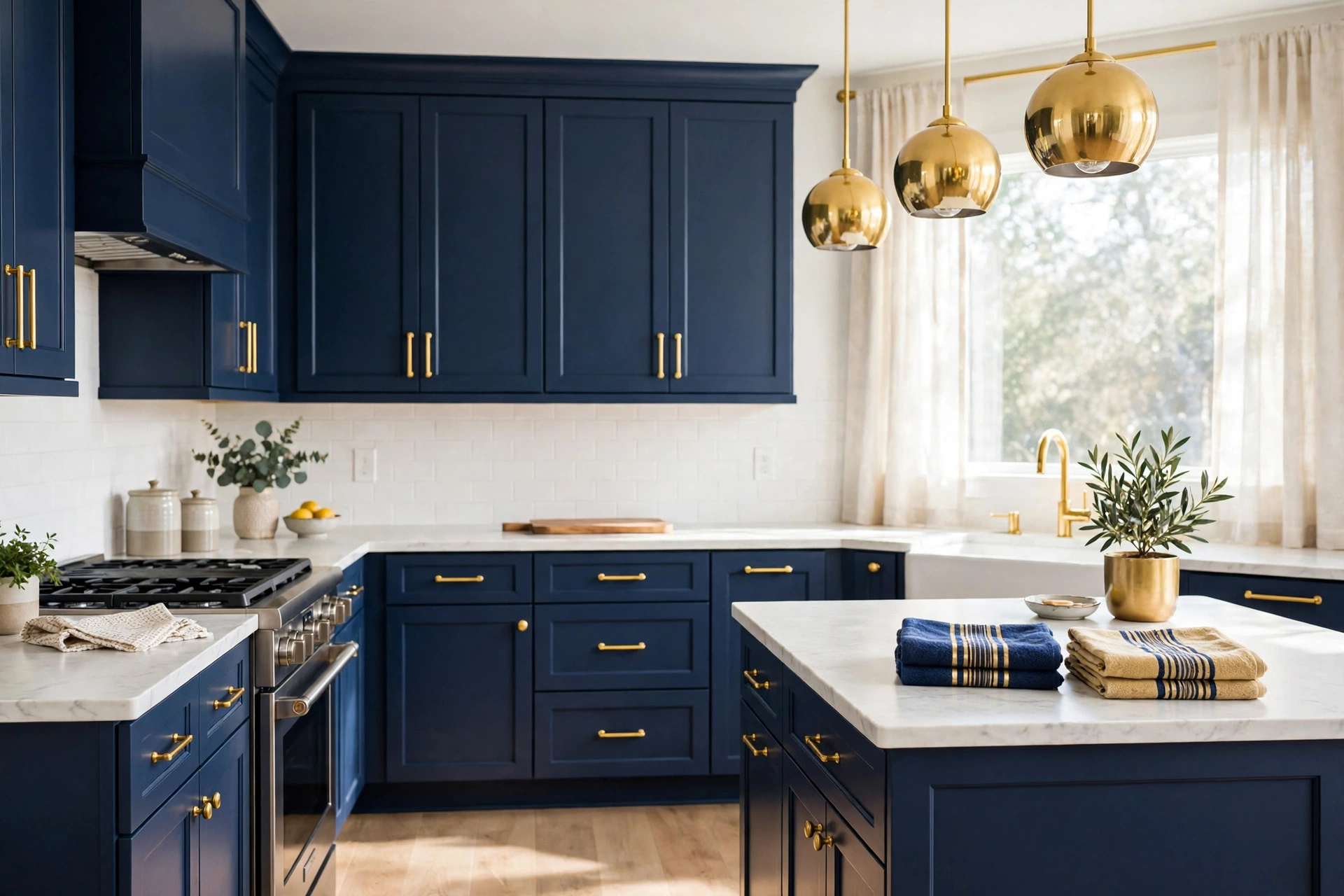
Introduction
Cabinet refinishing renews worn kitchen cabinets without replacement, and it suits a kitchen where boxes stay sound and the layout still works. Cabinet refinishing removes the old finish, repairs chips and dents, and adds primer plus paint, stain, or a clear coat for a clean, current look. Costs, materials, steps, finishes, lifespan, mistakes, and care decide the result.
This guide covers what cabinet refinishing means, 2026 cost ranges, the choice between refinishing, refacing, and replacement, and which cabinet materials take a new finish. It then sets out the step-by-step process, finish choices, lifespan and timing, common failures, and daily care. Each section opens with a direct answer. Read one section for a single question, or read the full plan in order before buying primer or paint.
- Cabinet refinishing renews the finish on existing doors, drawer fronts, and boxes, and it keeps the layout unchanged.
- Cabinet refinishing costs $2,000 to $7,000 for a typical kitchen in 2026, based on Angi figures.
- Solid wood and sound veneer take stain well, while intact laminate and thermofoil need a bonding primer and paint.
- Prep decides the result: clean, repair, sand, prime, apply thin coats, and allow full cure time.
- Professionally refinished cabinets last 8 to 15 years with sound prep and a cabinet-grade finish.
What Is Cabinet Refinishing?
Cabinet refinishing is the renewal of the finish on existing cabinet doors, drawer fronts, and boxes, without replacing the boxes or changing the layout. Cabinet refinishing strips or sands the old finish, repairs damage, and applies primer plus paint, stain, or a clear coat.
Cabinet refinishing changes the surface layer only. Cabinet refinishing keeps the cabinet boxes, the interior shelves, and the countertop in place in most kitchens. Cabinet refinishing does not add cabinets, move cabinets, or fix a failed box. The work centers on doors and drawer fronts, which leave the boxes for coating, while fixed frames get masked and coated in place.
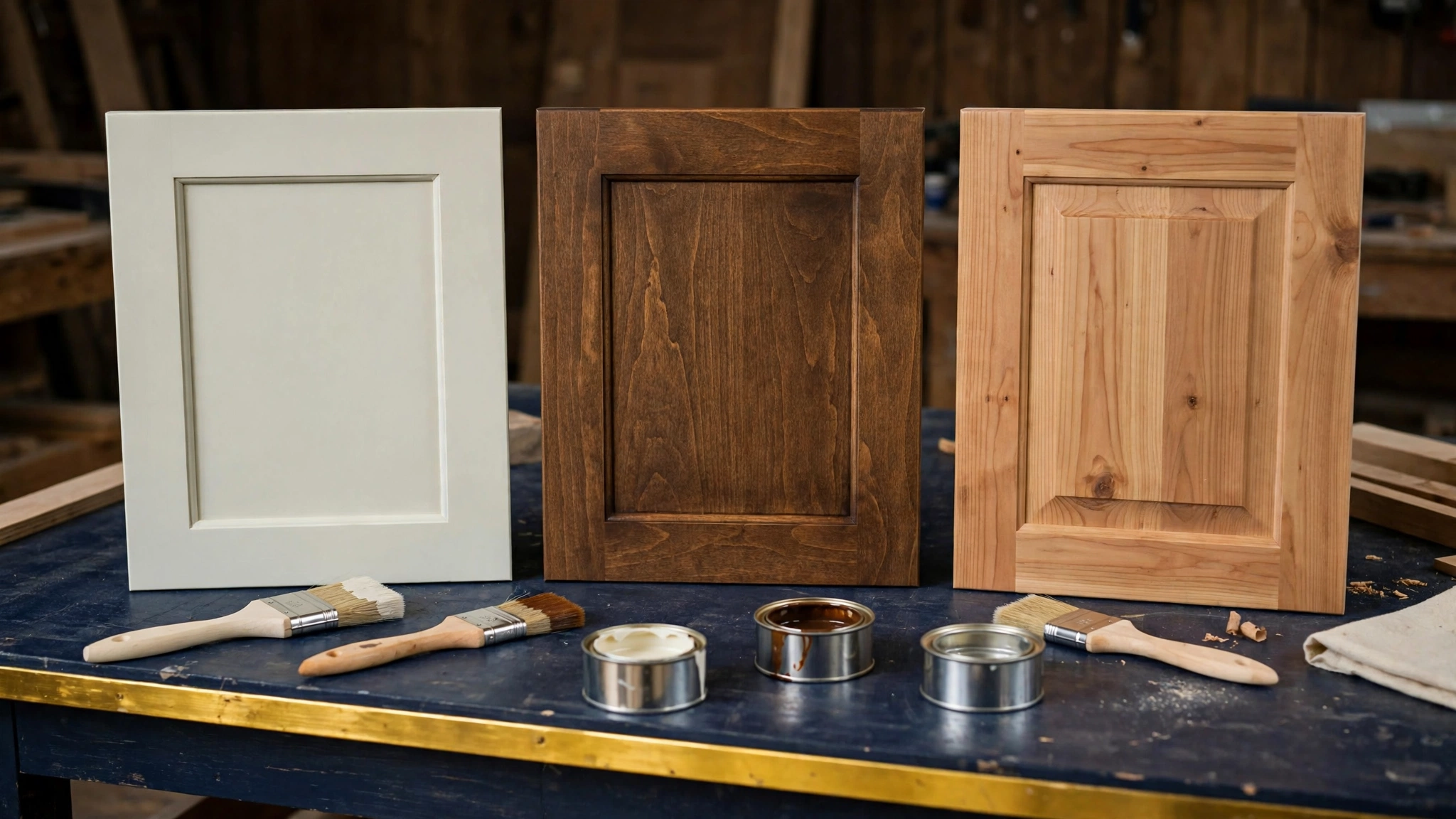
Cabinet refinishing has 3 finish paths. Paint covers the old color and grain with an opaque coat. Stain changes wood color while grain stays visible. A clear coat protects wood tone with no added color. Primer sits under paint in most jobs, and a topcoat adds wear protection in kitchens with heavy daily use. For more ideas in the same category, browse the Home Improvement guides on this site.
How Much Does Cabinet Refinishing Cost in 2026?
Cabinet refinishing costs $2,000 to $7,000 for a typical kitchen in 2026, based on Angi figures, with smaller kitchens near the low end and larger kitchens near the high end. Cabinet refinishing cost rises with door count, wood type, damage, finish choice, and local labor rates.
Angi lists 3 resurfacing types for 2026: refacing at $4,000 to $13,500, painting at $180 to $3,200, and refinishing at $2,000 to $7,000 (Source: Angi, 2026). HomeGuide lists cabinet refinishing at $1,500 to $4,500 for an average kitchen, with staining at $4 to $15 per square foot (Source: HomeGuide, 2026). The ranges differ because scope, kitchen size, and finish type differ, so a written quote for one scope gives a firmer figure than a national range alone.
Homewyse lists a national average of $7.78 to $15.37 per square foot for cabinet refinishing in May 2026, as reported by Lily Ann Cabinets (Source: Homewyse, 2026).
Cost drivers sit in 5 groups: door and drawer count, wood type, damage repair, finish type, and local labor rates. Glaze, two-tone work, and new hardware add cost. A quote must name the scope: doors, drawer fronts, boxes, interiors, hardware, and repair work.
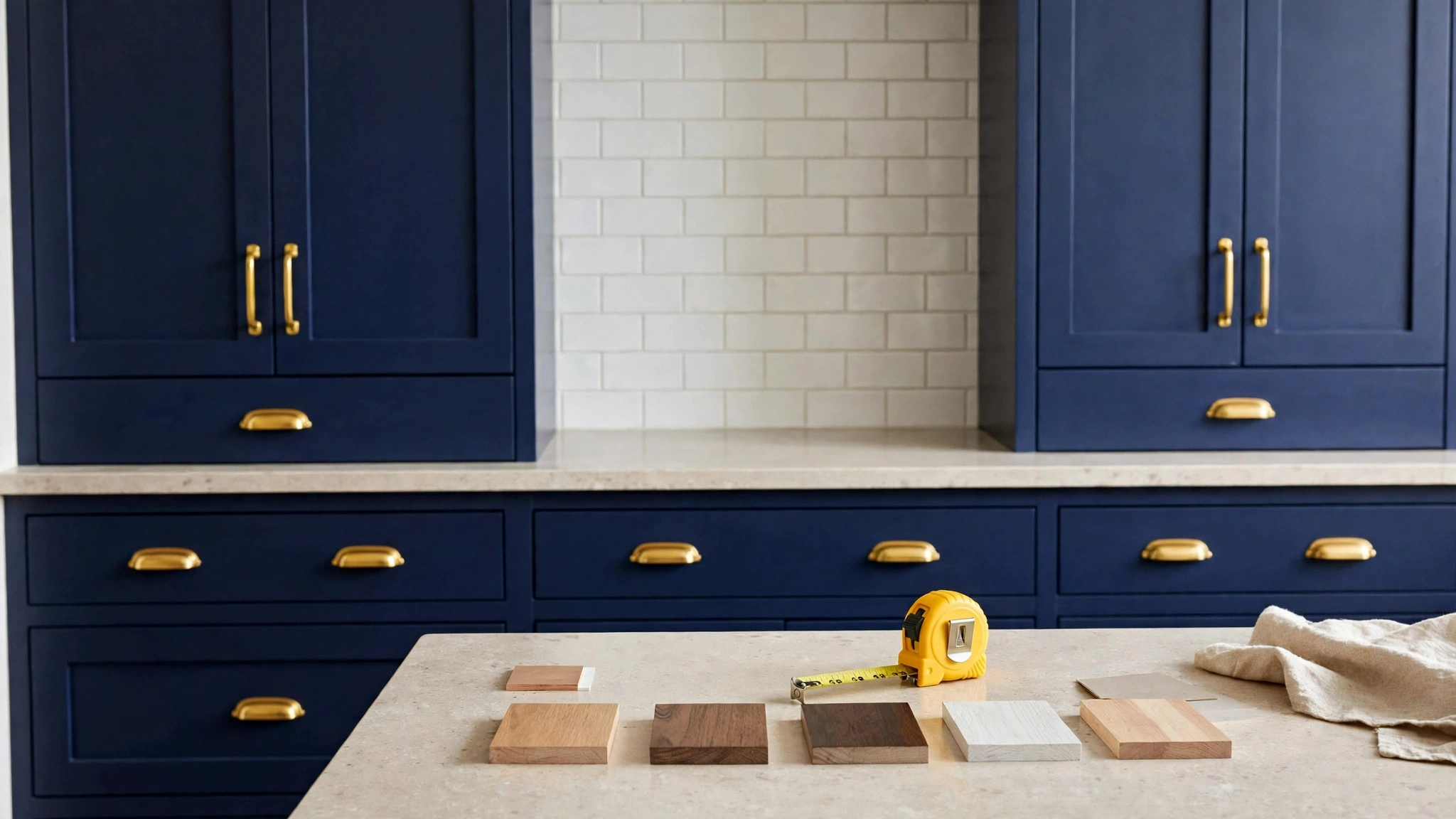
Should You Refinish, Reface, or Replace Cabinets?
Refinish cabinets when boxes are sound and the layout works, reface cabinets when door style must change, and replace cabinets when boxes fail or the layout must change. Cabinet refinishing costs least and keeps the layout, refacing costs more for new doors, and replacement costs most.
The choice turns on 3 tests: box condition, door style, and layout. Sound boxes with a dated color suit refinishing. Sound boxes with a door style that no longer fits the room suit refacing, which adds new doors and drawer fronts plus veneer on box fronts. Failed boxes, water damage, or a layout change need replacement, since no finish fixes structure or adds a new cabinet run.
| Option | What changes | Typical cost in 2026 | Layout change |
|---|---|---|---|
| Refinish | New paint, stain, or clear coat on existing doors and boxes | $2,000 to $7,000 (Source: Angi, 2026) | No |
| Reface | New doors, drawer fronts, and veneer on box fronts | $4,000 to $13,500 (Source: Angi, 2026) | No |
| Replace | New boxes, doors, and drawer fronts | $4,000 to $15,000 and higher for large work (Source: Google AI Overview, 2026) | Yes, possible |
Cabinet refinishing suits a kitchen where the layout works and the complaint is color or wear. Refacing suits a kitchen where the door profile must change. Replacement suits a kitchen with warped frames, swollen particleboard, mold, or a plan to move plumbing or walls.
Which Cabinets Suit Cabinet Refinishing?
Solid wood and sound wood veneer suit cabinet refinishing best, while intact laminate and thermofoil need a bonding primer and a paint finish, not stain. Cabinet refinishing fails on peeling thermofoil, swollen particleboard, and warped boxes, so material and condition decide the method.
Solid wood takes paint and stain. Oak grain stays visible under stain and needs grain fill for a flat painted look. Sound wood veneer takes a light sand and a new finish, but a thin veneer sands through fast, so a light hand and fine grit protect it.
Laminate and thermofoil need a different plan. Stain has no grain to show on laminate or thermofoil, so paint is the finish path. A bonding primer grips the slick surface, and standard primer often fails on that surface. Peeling, bubbling, or loose thermofoil needs new doors, since paint traps a failing layer and peels with it. Medium-density fiberboard (MDF) with a sound, sealed face takes paint with a bonding primer, but swollen MDF at a sink edge needs replacement, not coating. Test primer adhesion on one door back before full work starts. Voice of Wave covers practical home guides that name the test to run before the main work.
How Do You Refinish Kitchen Cabinets Step by Step?
To refinish kitchen cabinets, remove doors and hardware, clean and degrease all surfaces, repair damage, sand in grit order, prime, apply thin finish coats, let each coat dry, and reinstall hardware after curing. Cabinet refinishing needs dust control, labeled parts, and light checks between coats.
- Plan scope, colors, finish, and work area.
- Remove doors, drawer fronts, hinges, and handles; label each part.
- Clean and degrease doors, drawer fronts, and boxes.
- Repair dents, chips, and holes with wood filler; let filler dry.
- Sand in grit order, from coarse grit to fine grit, along the grain.
- Vacuum dust, wipe with a tack cloth, and mask walls and counters.
- Apply primer in thin coats, sand lightly, and wipe dust after drying.
- Apply thin finish coats, sand lightly between coats, and check with side light.
- Let the finish cure, then reinstall doors, drawers, and hardware.
Cleaning comes before sanding, since grease ground into wood by sandpaper blocks adhesion. Degrease twice near stoves and handles, rinse as the cleaner label directs, and let wood dry fully before sanding. Do not caulk floating center panels on doors, since those panels move with humidity and caulk cracks the paint line.
Sanding builds a grip surface for primer. Work from 80 or 100 grit for rough defects, through 120 and 150 grit, and finish at 180 or 220 grit. Sand along the grain, vacuum after each pass, and wipe with a tack cloth before each coat. A sanding schedule that moves through grit grades in order leaves scratches too fine to show under the finish, based on standard wood finishing practice.
Spraying gives the flattest coat, while brushing and rolling suit small jobs. A sprayer needs masking, ventilation, and practice on a test board. Thin coats dry evenly, while thick coats sag and cure slowly.

Paint vs Stain vs Clear Finish: Which Finish Fits Your Cabinets?
Paint hides grain and gives the widest color choice, stain shows grain and needs sound wood, and a clear finish protects wood tone without adding color. Cabinet refinishing finish choice depends on wood condition, grain, color goal, and cleaning needs in the kitchen.
Paint suits a full color change, a mixed set of woods, or a flat modern face. Paint needs a stain-blocking primer on oak and other tannin-rich woods, since tannins bleed through light paint without that primer. Paint shows chips at edges over time, so a cabinet-grade topcoat protects high-touch edges.
Stain suits sound wood with grain worth showing. Stain evens color less than paint, so boards with varied uptake show varied tone. A stain test on a door back shows the true color before the full job starts. Stain needs a clear topcoat for kitchen wear.
A clear finish suits wood tone that already fits the room. Varnish is a clear, hard protective coat that leaves grain visible. A clear coat needs the same clean, sanded, dust-free surface as paint, since a clear coat shows every sanding mark under the film.
| Finish | Grain | Color choice | Best fit |
|---|---|---|---|
| Paint | Hidden | Widest | Full color change, mixed woods, flat modern face |
| Stain | Visible | Wood tones | Sound wood with grain worth showing |
| Clear coat | Visible | None, wood tone only | Wood tone that already fits the room |
See the full kitchen plan in Kitchen Remodeling: Planning, Costs and Finishes before you order finishes.
How Long Does Cabinet Refinishing Last, and How Long Does It Take?
Professionally refinished cabinets last 8 to 15 years with sound prep and a cabinet-grade finish, based on 2026 contractor guidance, while active work takes 3 to 5 days on site for many kitchens. Cabinet refinishing cure time runs 7 to 30 days, so gentle use comes first.
Lifespan turns on prep quality, finish type, and daily use. A cabinet-grade primer and topcoat, correct dry times, and a full cure give the longest life. High-touch zones wear first: handles, stove-side doors, and sink fronts.
Active work and cure time differ. Active work covers removal, cleaning, sanding, priming, coating, and reassembly, and Denver guidance lists 3 to 5 days of on-site work for many projects (Source: Cabinets Refinishing Denver, 2026). Full cure runs 7 to 30 days by product (Source: Cabinets Refinishing Denver, 2026), and cabinets stay usable with care during much of that period.
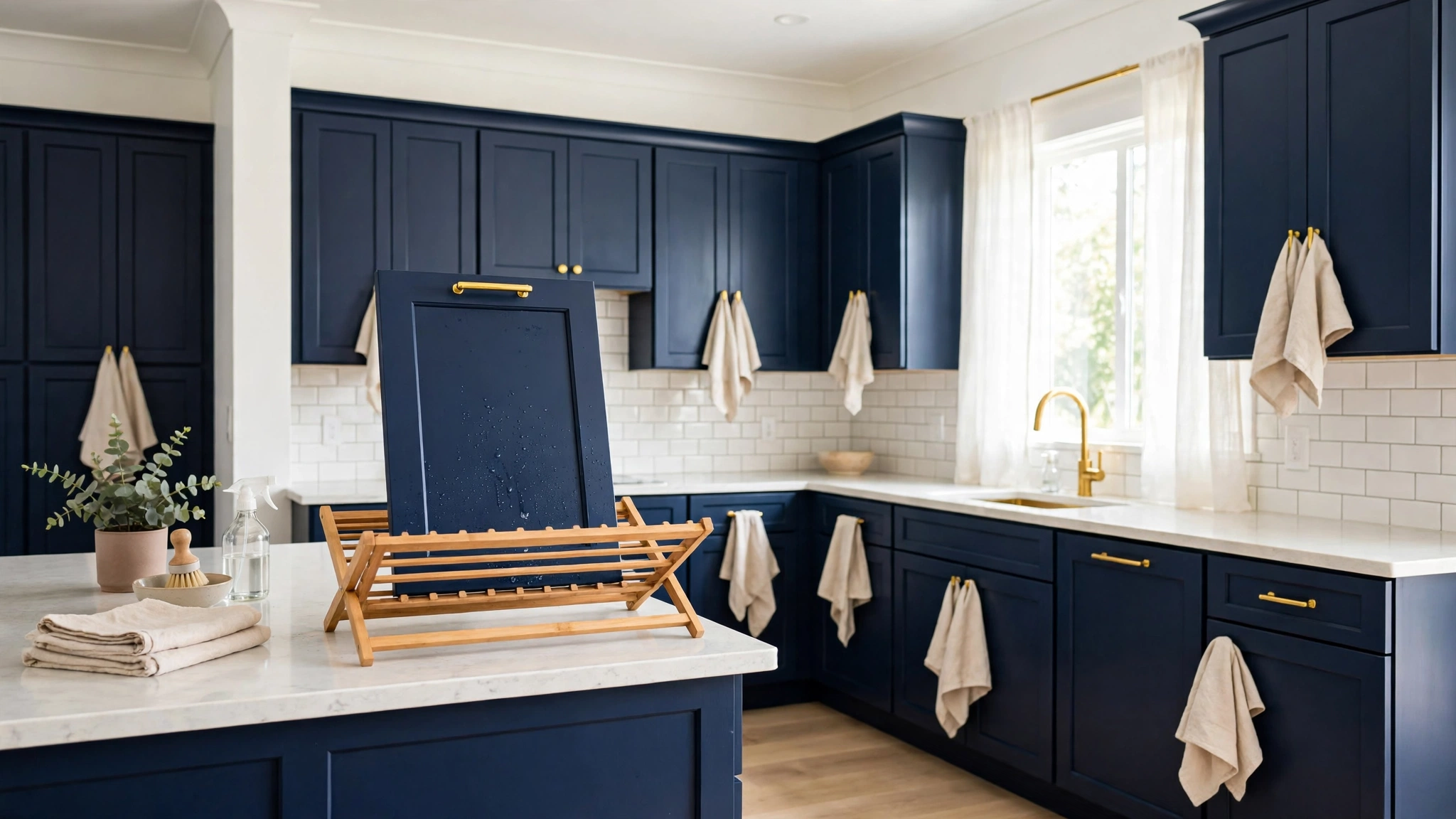
Dry time is not cure time. Dry to touch means the coat feels dry, while cure means the film hardens fully and resists marks, water, and cleaners. Wait for the product label cure period before deep cleaning, scrubbing, or loading shelves with heavy items.
What Mistakes Cause Cabinet Refinishing to Peel or Chip?
Cabinet refinishing peels or chips when grease stays on the surface, sanding is skipped, primer does not match the material, coats go on thick, or doors return to use before curing ends. Cabinet refinishing fails at prep and cure stages more often than at color choice.
Grease is the first failure point. Kitchen grease coats doors near stoves and handles, and paint over grease peels in sheets. A degreaser, a rinse, and a dry surface come before any sanding.
Wrong primer is the second failure point. A standard primer on laminate or thermofoil grips poorly, while a stain-blocking primer on oak stops tannin bleed. A bonding primer suits slick surfaces, and a shellac-based primer seals stains and tannins on wood. Match primer to material, and test adhesion on one door back before full coating starts.
Thick coats, dust, and early use form the third group. Thick coats sag and cure slowly, dust in a wet coat leaves a rough face, and early use marks a soft film. Thin coats, a tack-cloth wipe, side-light checks, and a full cure period prevent most of those failures.
How Do You Care for Refinished Cabinets?
To care for refinished cabinets, wipe spills at once with a soft damp cloth, use mild soap for grease, skip abrasive pads and harsh cleaners, and wait for full cure before deep cleaning. Cabinet refinishing lasts longer when handles take the load and heat and water stay off the finish.
Daily care stays simple. Wipe spills at once, with extra care at sink fronts, stove sides, and trash pull-outs. Use a soft, damp cloth for dust, and mild soap with water for grease, followed by a dry wipe. Skip abrasive scrubbers, scouring powders, and harsh chemical cleaners, since those dull the finish and cut the film at edges.
Handle use protects the finish. Pull doors by handles, not by door edges, and keep wet hands off painted edges near sinks. Wipe steam and splashes near kettles and stoves, since heat and standing water soften films over time.
Touch-up work stays small when care starts early. Keep a small amount of the exact finish and primer for chips, and record the product name, color code, and sheen in one place.

Conclusion
Cabinet refinishing gives a kitchen a clean, current face without new boxes or a new layout, when boxes stay sound and the finish plan fits the material. Cabinet refinishing costs $2,000 to $7,000 for a typical kitchen in 2026, based on Angi figures, and the final price turns on door count, damage, finish choice, and local labor. Solid wood and sound veneer take paint and stain, while intact laminate and thermofoil need a bonding primer and paint. Prep, thin coats, and full cure time decide whether the finish lasts 8 to 15 years or peels within a year.
Explore more home guides in the Voice of Wave blog for the next step in your kitchen plan.
FAQs
Can you refinish laminate cabinets?
Yes, you can refinish intact laminate cabinets with paint, not stain, using a bonding primer made for slick surfaces. Cabinet refinishing on laminate needs a degrease, a light sand or degloss, a bonding primer, and thin paint coats. Peeling or bubbling laminate needs new doors instead, since paint traps a failing layer.
How much does it cost to refinish kitchen cabinets?
Cabinet refinishing costs $2,000 to $7,000 for a typical kitchen in 2026, based on Angi figures, with smaller kitchens near the low end and larger kitchens near the high end. Cabinet refinishing cost rises with door count, wood type, damage repair, finish choice, and local labor rates, so a written quote gives the firmest figure.
Is it cheaper to refinish or replace cabinets?
Yes, cabinet refinishing is cheaper than replacement in most kitchens with sound boxes, since refinishing reuses boxes, doors, and drawer fronts and skips demolition and new cabinet work. Cabinet refinishing costs $2,000 to $7,000 in 2026, based on Angi figures, while replacement runs higher and adds layout and installation work.
How long do refinished cabinets last?
Professionally refinished cabinets last 8 to 15 years with sound prep and a cabinet-grade finish, based on 2026 contractor guidance from Cabinets Refinishing Denver. Cabinet refinishing lifespan turns on prep quality, finish type, cure time, and daily use, with handles, stove sides, and sink fronts wearing first.
Can you refinish cabinets without sanding?
No, cabinet refinishing needs sanding, since sanding gives primer a grip surface and removes gloss, defects, and raised grain. Cabinet refinishing without sanding peels and chips, since primer bonds to a slick, greasy, or glossy face instead of a sanded face. A light sand with fine grit still counts, and it protects the finish.
How long does cabinet refinishing take?
Active cabinet refinishing work takes 3 to 5 days on site for many kitchens, based on 2026 Denver contractor guidance, with doors often coated off site to cut dust at home. Cabinet refinishing cure time runs 7 to 30 days by product, so gentle use and no deep cleaning come first until the film hardens fully.
Should you paint or stain refinished cabinets?
Paint suits a full color change, mixed woods, or a flat modern face, since paint hides grain and gives the widest color choice. Stain suits sound wood with grain worth showing, since stain changes color while grain stays visible. Cabinet refinishing finish choice turns on wood condition, grain, and color goal.