
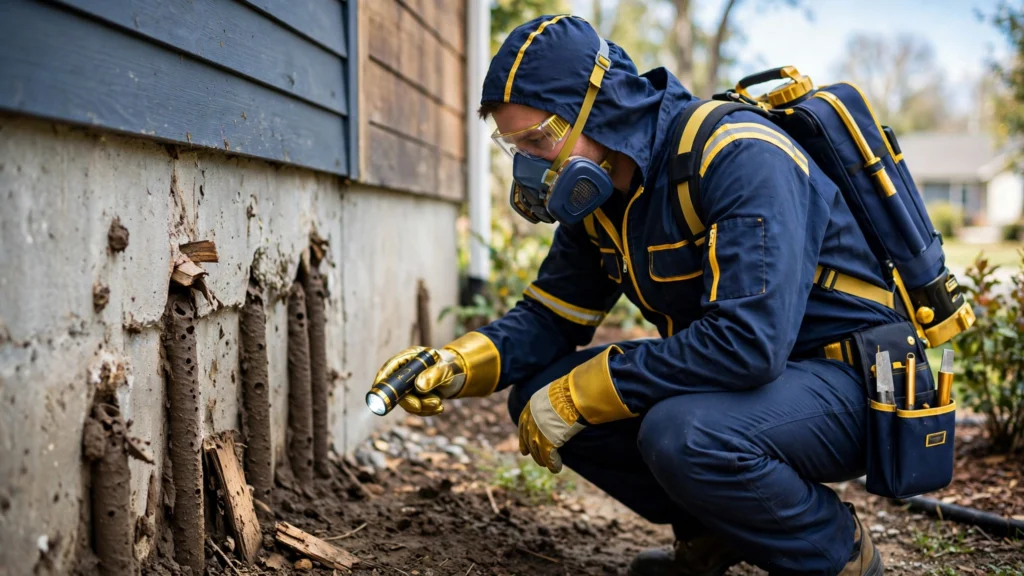
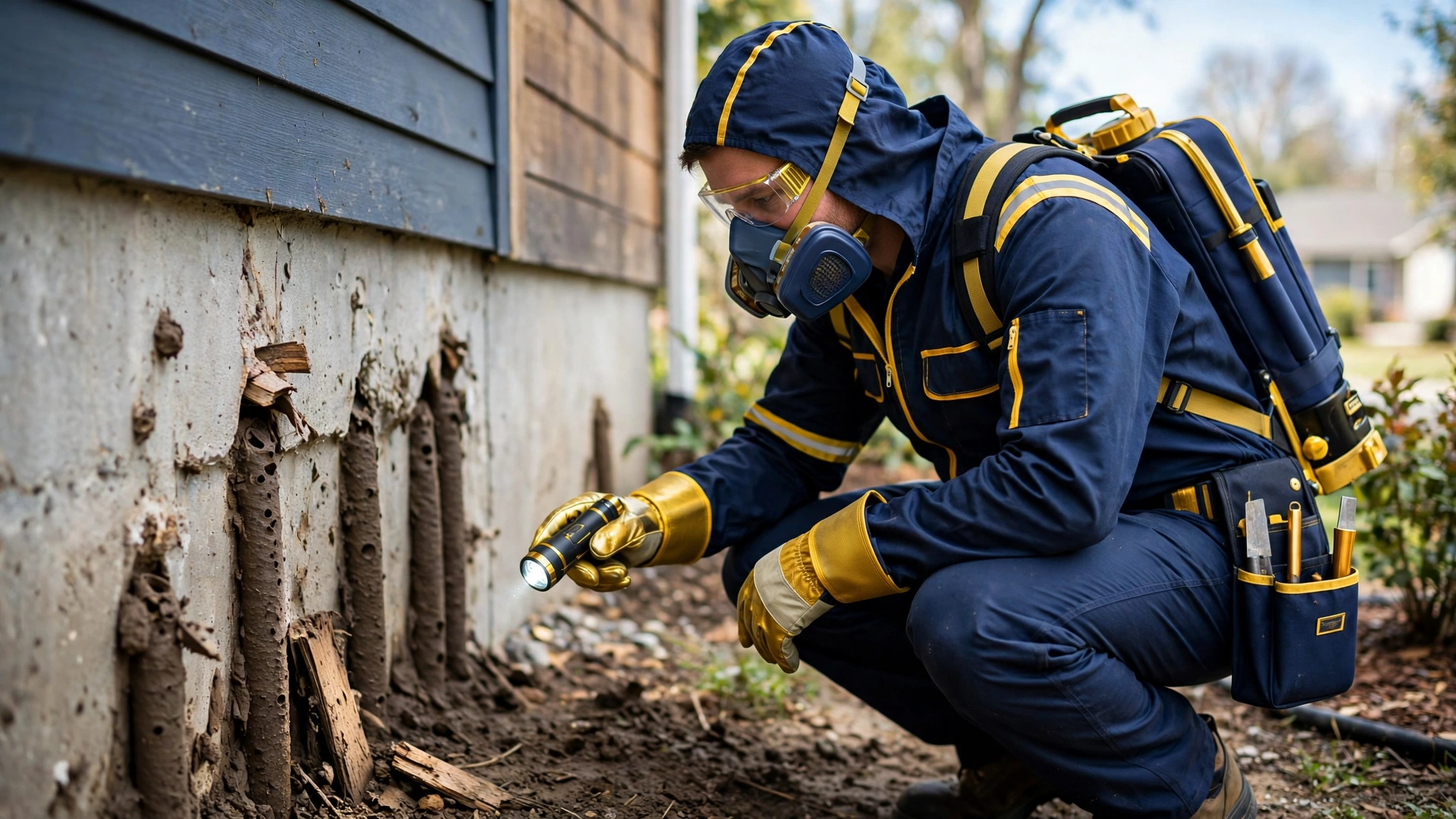
Termite treatment is the set of methods that kill active termites, remove the colony, and protect a home from new attacks. The best termite treatment for a home depends on the termite type, and liquid soil barriers and bait stations handle subterranean termites while tent fumigation handles widespread drywood termites. Termites cause more than $5 billion in property damage in the United States each year (Source: National Pest Management Association, 2024), and most standard homeowner policies do not pay for that damage. This guide explains the 3 main termite types, the 7 signs of an infestation, the 6 main treatment methods, typical costs, how long each method lasts, and the prevention steps that keep termites out after treatment. The guide also covers DIY limits, safety rules, and warranty terms to check before signing.
Key Takeaways
- Identify the type first: liquid barriers and bait stations suit subterranean termites, fumigation suits drywood termites.
- Act fast: mud tubes, frass, hollow wood, and swarmers are the 4 signs to check first.
- Compare total cost: most homes pay $230 to $2,500, fumigation costs $2,000 to $8,000 (Source: Angi, 2026).
- Know the lifespan: liquid barriers last 5 to 10 years, bait systems protect only while monitored.
- Prevent the next colony: fix leaks, keep soil below siding, book a yearly inspection.
Table of Contents
- What Is Termite Treatment?
- What Are the 3 Main Types of Termites?
- How Do You Know If You Have Termites?
- What Are the Main Termite Treatment Methods?
- Liquid Termite Treatment vs Bait Systems: Which One Should You Choose?
- How Much Does Termite Treatment Cost?
- What Happens During a Professional Termite Treatment?
- Can You Treat Termites Yourself?
- How Long Does Termite Treatment Last?
- How Do You Prevent Termites After Treatment?
- Conclusion
- Frequently Asked Questions
What Is Termite Treatment?
Termite treatment is the planned use of chemical barriers, bait stations, fumigation, heat, or wood treatments to kill termites and stop them from eating the wood in a home. Termite treatment has 3 goals: kill the active colony, remove the food and moisture that drew termites in, and block the next colony.
Termite treatment is a form of termite control that targets a hidden colony, not insects seen in the open. Termites are social insects that eat cellulose in wood, and about 3,014 extant termite species are described (Source: Wikipedia, 2026). Termite biology explains the caste system that keeps a colony fed and defended. Only workers eat wood, and workers feed the rest of the colony, so a treatment must reach workers to reach the colony.
Termite treatment pairs a kill step with a protection step, because a dead colony leaves the home open to the next colony. For more house care topics, browse the Home Improvement guides on this site. A practical check I use in older homes is to tap skirting boards with a screwdriver handle and listen for a hollow sound, because hollow wood often marks the first hidden damage.
What Are the 3 Main Types of Termites?
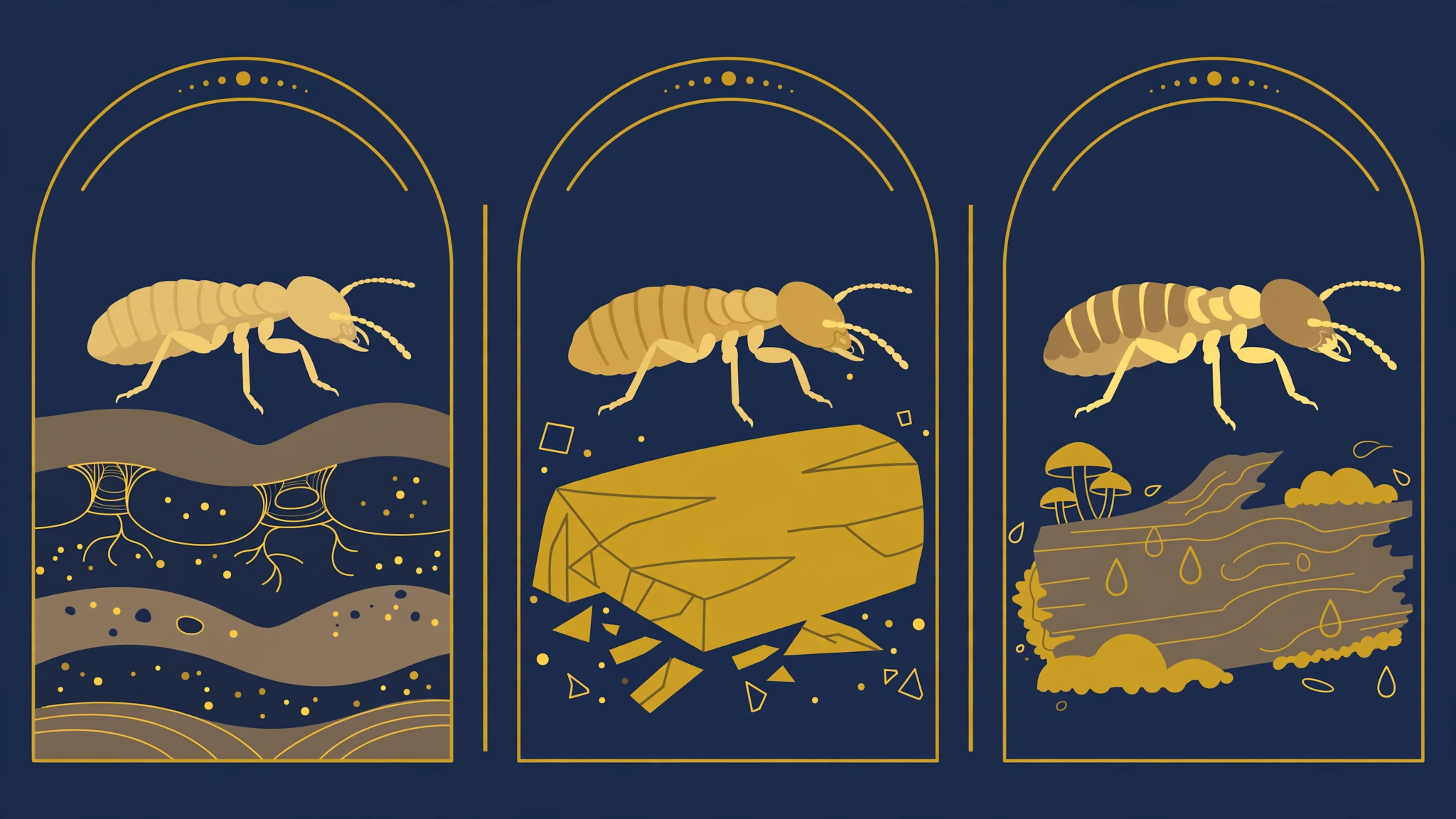
The 3 main types of termites are subterranean, drywood, and dampwood termites, and the type sets the treatment. Subterranean termites live in soil and build mud tubes, drywood termites live inside dry wood, and dampwood termites live in wet, decaying wood.
Subterranean Termites
Subterranean termites live in soil colonies, travel into a home through mud tubes, and cause most termite damage in the United States. The Formosan subterranean termite is the most aggressive type, and a Formosan colony can hold several million termites (Source: Wikipedia, 2026). Liquid barriers and bait stations are the 2 treatments that work on them.
Drywood Termites
Drywood termites live entirely inside the wood they eat, with no soil contact and no mud tubes. They push small pellets called frass out of tiny exit holes, and those pellets are the clearest sign of a drywood colony. Drywood termites favor warm coastal areas and can live in furniture and roof timbers far above the ground. Soil treatments cannot reach them, so fumigation, heat, or direct wood treatment are the options.
Dampwood Termites
Dampwood termites live in wet, decaying wood and rarely attack dry, sound timber. They show up where leaks, poor drainage, or ground contact keep wood wet for months. Treatment starts with drying the wood and fixing the leak, then a wood treatment or local spot treatment follows.
How Do You Know If You Have Termites?
You have termites if you find mud tubes on foundation walls, frass pellets, hollow-sounding wood, discarded wings near windows, or live swarmers in spring. One sign is enough to book an inspection, because termites work out of sight and visible damage means the colony has fed for months.
Check these 7 signs in order:
- Mud tubes the width of a pencil on walls or piers.
- Frass pellets like sawdust under drywood exit holes.
- Wood that sounds hollow when tapped.
- Discarded wings on sills after a swarm.
- Swarmers with straight antennae and equal wings.
- Paint that bubbles or floors that sag.
- Tight doors or windows from warped frames.
Swarmers look like flying ants, but 3 details tell them apart: straight antennae, equal-length wings, and a thick waist. Flying ants have bent antennae, unequal wings, and a pinched waist. A swarm indoors in winter is a strong sign of an active colony inside. A room-by-room check takes 20 minutes: start in the basement or crawl space, then check ground-floor frames and the attic.
What Are the Main Termite Treatment Methods?
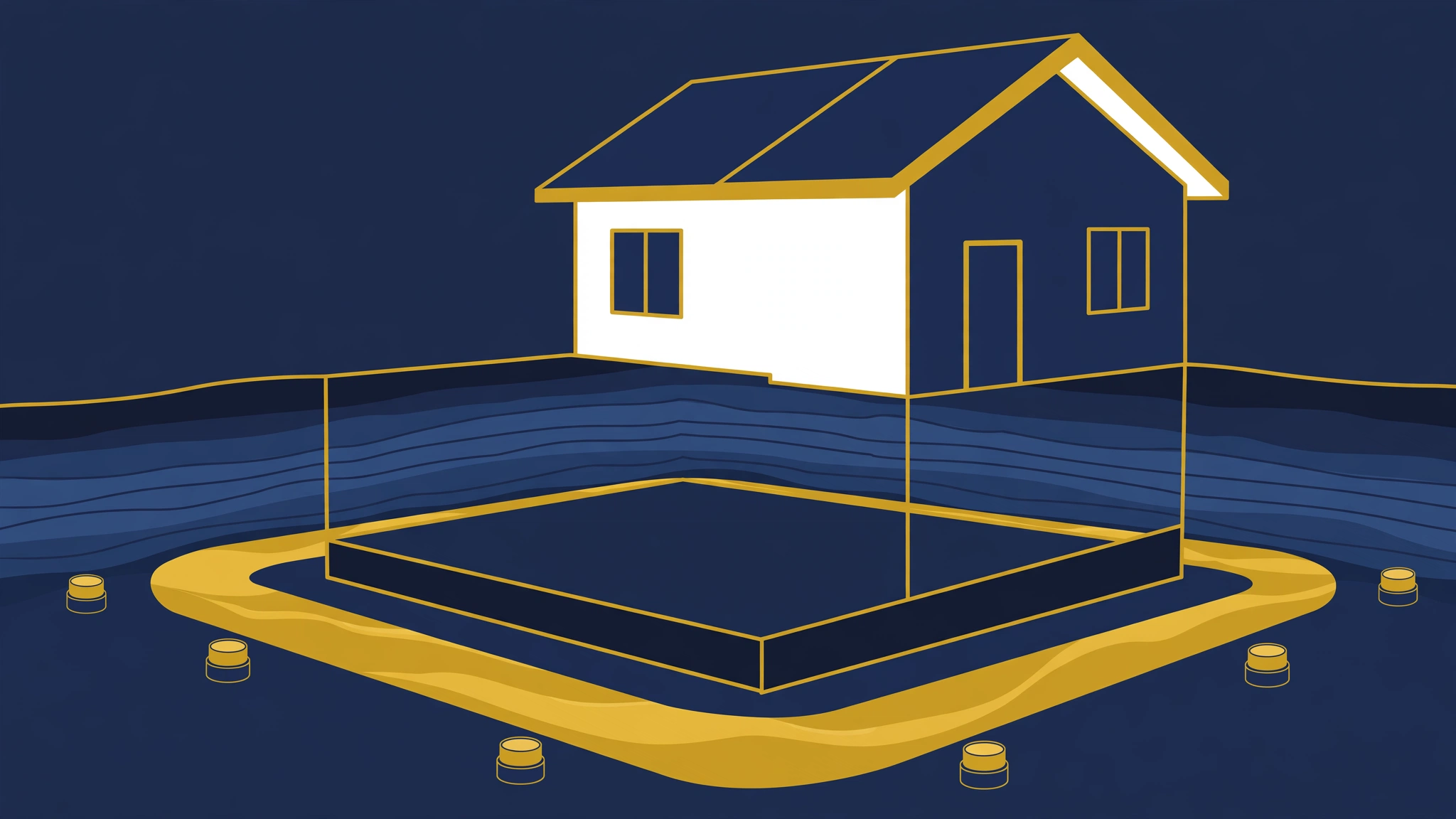
The 6 main termite treatment methods are liquid soil barriers, bait stations, fumigation, heat treatment, borate wood treatments, and natural spot treatments. Liquid barriers and bait suit subterranean termites, and fumigation and heat suit drywood termites.
| Method | Best for | How it kills | Protection lasts |
|---|---|---|---|
| Liquid soil barrier | Subterranean termites | Chemical in soil, workers carry it to the colony | 5 to 10 years |
| Bait stations | Subterranean termites | Bait with a growth inhibitor, shared with the colony | Ongoing while monitored |
| Whole-structure fumigation | Widespread drywood termites | Gas fills the sealed home and reaches every gallery | No residual protection |
| Heat treatment | Local or whole-house drywood termites | Heated air kills termites in wood | No residual protection |
| Borate wood treatment | New wood and small drywood spots | Borate soaks into bare wood | Life of the treated wood |
| Natural spot treatment | Small drywood spots | Orange oil or boric acid kills on contact | Treated spot only |
A liquid soil barrier starts with a trench about 6 inches wide and 6 inches deep around the foundation, and the crew rods the chemical down to the top of the footing. Modern liquids use non-repellent chemicals, and how fipronil works explains the slow action that lets workers carry the chemical back to the colony before they die. Fipronil has a half-life in soil of 4 months to 1 year (Source: Wikipedia, 2026).
Bait stations sit in the soil at 10 to 20 foot intervals, and each station holds cellulose bait with noviflumuron, a chitin synthesis inhibitor. Workers share the bait, and the colony declines over 2 to 6 months. Whole-structure fumigation seals the home under a tent and fills it with sulfuryl fluoride gas, sold as Vikane, and it kills all life stages within 24 to 48 hours.
Heat treatment raises wood to 49 to 60 degrees Celsius (120 to 140 degrees Fahrenheit) until the colony dies. Borate treatment soaks disodium octaborate tetrahydrate into bare, unfinished wood, and it cannot pass through paint or stain.
Liquid Termite Treatment vs Bait Systems: Which One Should You Choose?
Choose a liquid barrier for fast, long-lasting protection of a subterranean termite home, and choose bait stations when drilling is hard or you want colony elimination with low chemical use. Liquid treatment protects within days and lasts 5 to 10 years, while bait stations take 2 to 6 months to kill a colony and need yearly monitoring.
Choose liquid treatment when active subterranean termites are present, the foundation allows trenching around the full perimeter, and you want 5 to 10 years of protection from one job. Choose bait stations when concrete patios block trenching, when you prefer less chemical in the soil, and when you accept monitoring visits every few months. Choose both when the home is large or the infestation is severe, because the pair covers the full perimeter.
Liquid treatment builds a wall, bait treatment removes the colony; the best choice depends on the house, not the brand.
How Much Does Termite Treatment Cost?
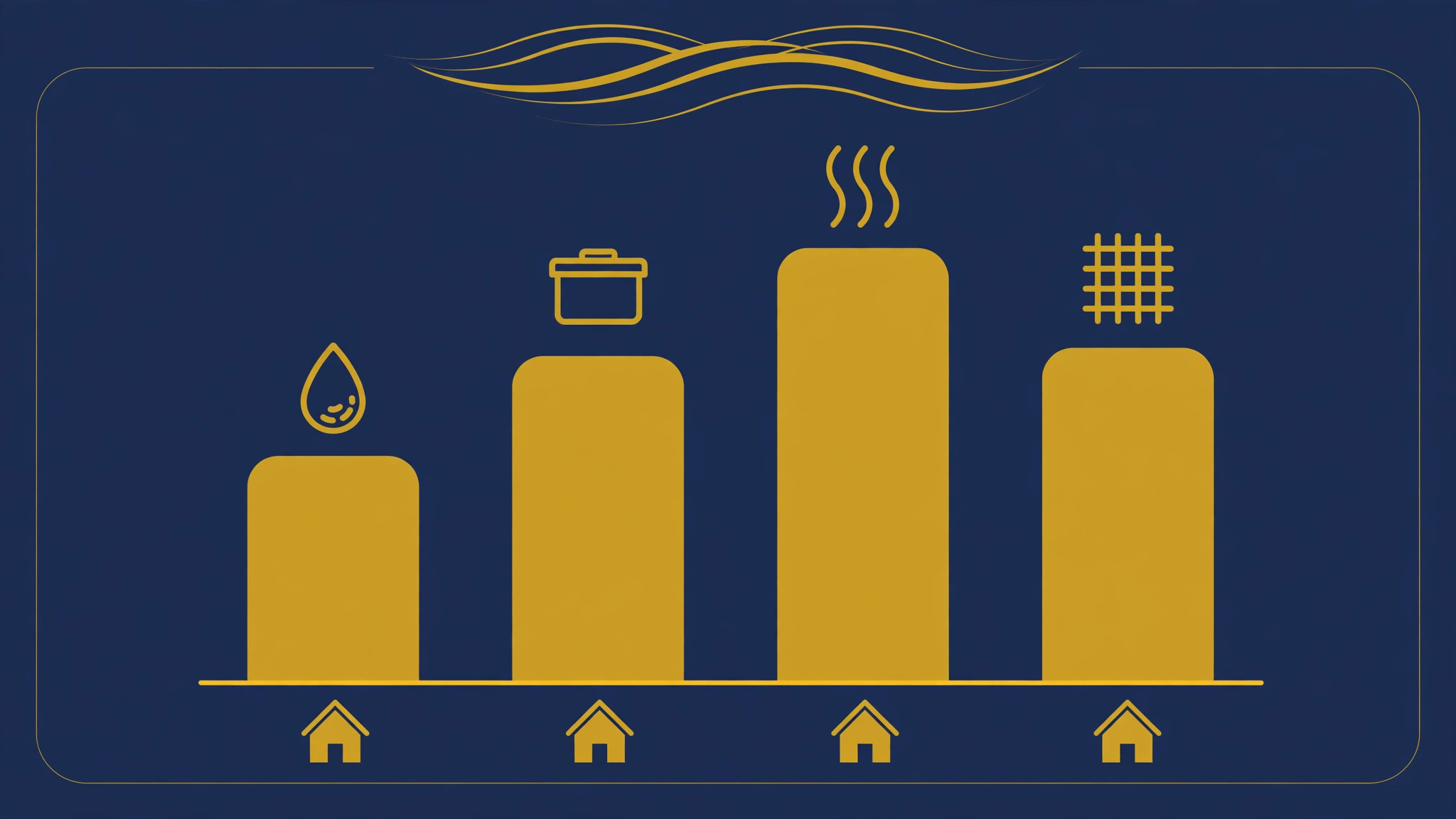
Termite treatment costs $230 to $2,500 for most homes, with a national average near $600 (Source: Angi, 2026). Fumigation for drywood termites costs $2,000 to $8,000, and bait systems add $200 to $400 per year for monitoring (Source: HomeGuide, 2026).
| Cost item | Typical range |
|---|---|
| Inspection | Free to $250 |
| Liquid soil barrier | $500 to $2,500 |
| Bait station install | $1,000 to $2,500 |
| Whole-structure fumigation | $2,000 to $8,000 |
| Heat treatment | $800 to $2,500 |
| Spot wood treatment | $225 to $900 per area |
Ranges come from 2026 cost guides published by Angi and HomeGuide. Get every quote in writing, and check that it lists the method, the active ingredient, and the warranty terms.
A termite bond is a yearly contract that covers inspection and free retreatment if termites return, and some bonds add repair coverage up to a stated cap. Read the cap, the exclusions, and the renewal fee before signing, because a cheap bond with a low cap pays little when damage returns, and a bond stays valid only while the yearly fee is paid and the yearly inspection takes place.
What Happens During a Professional Termite Treatment?
A professional termite treatment follows 5 steps: inspection, identification, written plan and quote, treatment day, and follow-up monitoring. Inspection takes 45 to 90 minutes, treatment takes 1 day for liquid or bait work and 2 to 3 days for fumigation, and follow-up visits check stations or barrier gaps.
Follow these 5 steps in order:
- Book an inspection and clear access to the crawl space and attic.
- Technician maps mud tubes, frass, moisture, and damage, then names the termite type and method.
- You receive a written quote with method, cost, and warranty terms.
- Crew trenches soil or sets stations, or tents the house for fumigation, then seals drill holes and maps station spots.
- Technician sets the first follow-up visit and the yearly inspection.
The technician probes sills, joists, and studs, checks moisture with a meter, and looks for tubes on piers and walls. The report should name the termite type, the damaged areas, and the treatment method.
Liquid and bait work let the household stay home, and pets should stay off treated soil until it dries. Fumigation needs a full vacate for 2 to 3 days, with food sealed or removed and plants and pets out of the house. Ask the crew for the exact vacate time and the re-entry check before treatment day.
Can You Treat Termites Yourself?
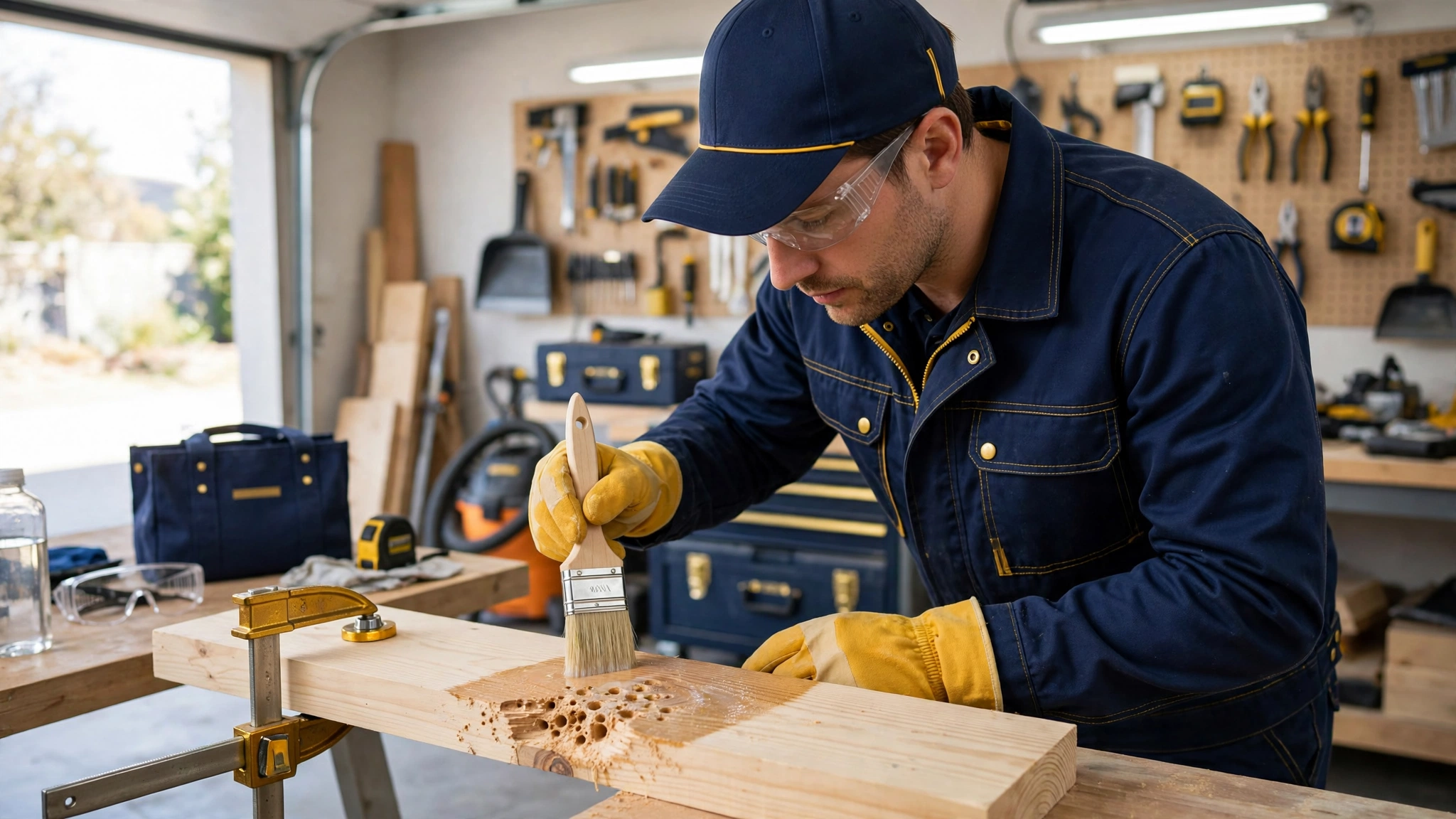
You can treat a small, local drywood spot yourself with boric acid or orange oil, but you cannot kill a subterranean colony with DIY products. DIY treatment fails on subterranean termites because the colony lives underground and the queen stays out of reach of sprays.
Boric acid works on bare wood, and it damages the termite digestive system and nervous system when workers eat treated wood. Orange oil holds d-limonene, and it kills drywood termites on contact when injected straight into a gallery.
DIY work has 3 hard limits: DIY products cannot build a soil barrier, cannot reach a colony inside walls or under floors, and carry no warranty. Call a professional if you find mud tubes, swarmers, hollow structural wood, or frass in more than one room, and also when the home is for sale, because buyers and lenders often need an inspection certificate. DIY termite treatment can kill the termites you see, and it leaves the colony you cannot see.
How Long Does Termite Treatment Last?
Liquid termite treatment lasts 5 to 10 years, bait systems last as long as monitoring continues, and fumigation and heat leave no residual protection. Borate treatment lasts the life of the treated wood, if the wood stays dry and sealed.
| Method | Protection span |
|---|---|
| Liquid soil barrier | 5 to 10 years |
| Bait stations | Ongoing while monitored |
| Fumigation | Kills present colony only |
| Heat treatment | Kills present colony only |
| Borate wood treatment | Life of the treated wood |
Four factors shorten treatment life: soil digging breaks a liquid barrier, a new leak wets wood and draws dampwood termites, cutting treated wood opens a path into untreated timber, and a lapsed bond ends the free retreatment cover. Watch for fresh mud tubes, new frass piles, or swarmers in the next spring. A return sign in the first year usually falls under the warranty, so call the same company first.
How Do You Prevent Termites After Treatment?
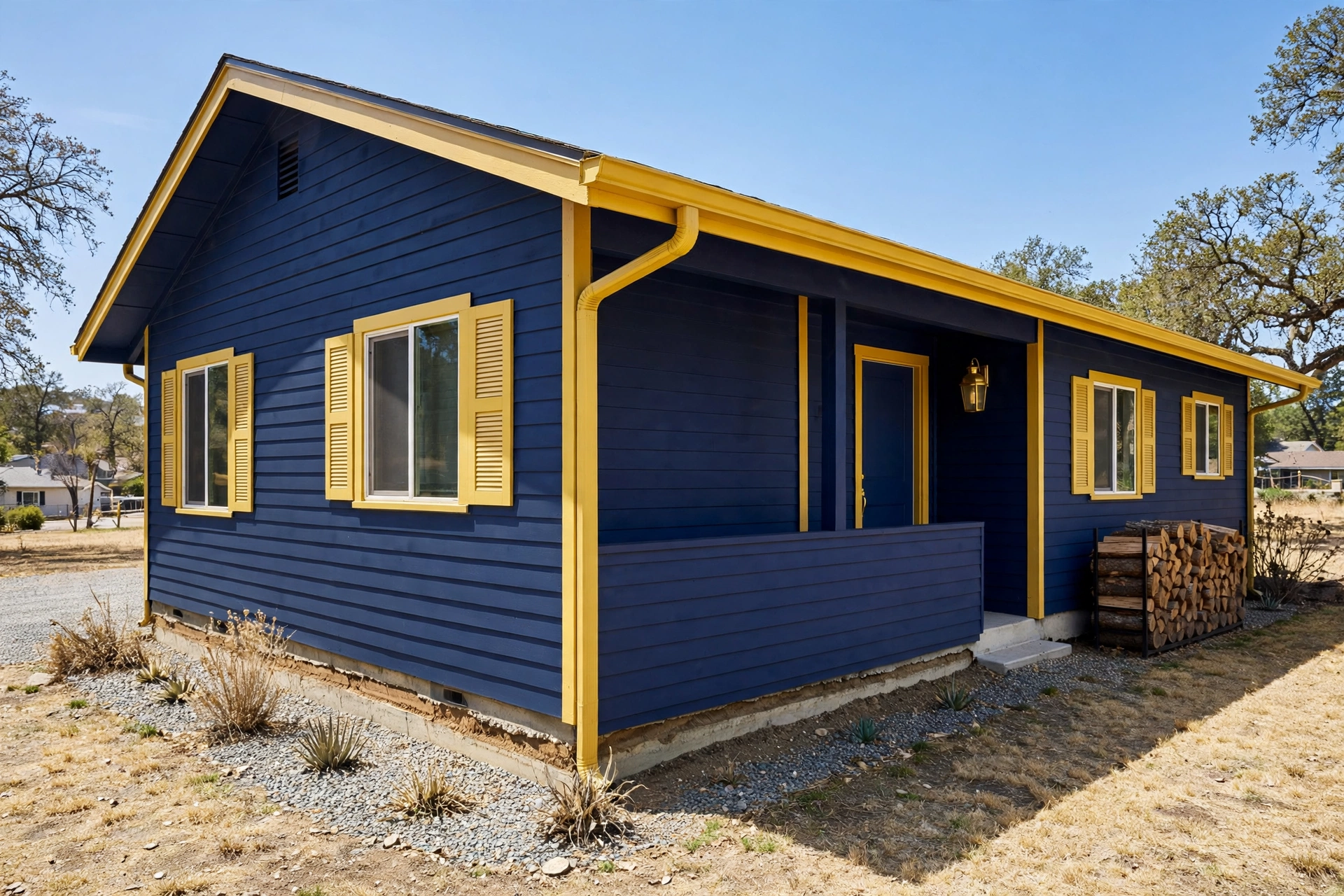
To prevent termites after treatment, fix leaks, keep soil 6 inches below siding, store firewood away from walls, and book a yearly inspection. Moisture control is the first step, because damp wood draws both subterranean and dampwood termites.
Run this schedule: monthly, check under sinks and look for fresh mud tubes; each season, clean gutters and grade soil away from walls; yearly, book a professional inspection.
Damp wood draws termites, so read our Water Damage Recovery guide and fix leaks first.
Keep firewood, lumber, and mulch away from the house walls. Store firewood at least 20 feet from the house and raise it off the ground. Home care guides on Voice of Wave follow the same fix-first pattern: find the cause, then treat the symptom.
Conclusion
Termite treatment works when the method matches the termite type. Liquid barriers and bait stations clear subterranean termites, fumigation clears widespread drywood termites, and prevention keeps the next colony out. Book an inspection at the first sign, compare 3 written quotes, and read the warranty cap. Voice of Wave covers home care in plain terms, and this guide gives you the facts to ask a contractor the right questions.
Read more home guides: Explore the latest articles on Voice of Wave for practical home care help.
Frequently Asked Questions
How much does termite treatment cost?
Termite treatment costs $230 to $2,500 for most homes, with a national average near $600 (Source: Angi, 2026). Liquid barriers run $500 to $2,500, bait systems run $1,000 to $2,500 plus yearly monitoring, and fumigation runs $2,000 to $8,000. Get 3 written quotes, because prices vary with home size, termite type, and region.
How long does termite treatment last?
Liquid termite treatment lasts 5 to 10 years, bait systems last as long as monitoring continues, and fumigation and heat leave no residual protection. Borate wood treatment lasts the life of the treated wood, if the wood stays dry and sealed. Soil digging, new leaks, and lapsed bonds shorten protection, so keep the yearly inspection on the calendar.
Can termites come back after treatment?
Yes, termites can come back after treatment, because fumigation and heat leave no residual protection and liquid barriers break when soil is dug up. New colonies can also move in from nearby wood. A termite bond with yearly inspections and free retreatment is the best guard, and fresh mud tubes or frass mean you should call the same company first.
Is termite treatment safe for pets and children?
Yes, termite treatment is safe for pets and children when the crew follows the product label and the safety rules for the method. Liquid and bait work let the household stay home, with pets kept off treated soil until it dries. Fumigation is the exception: everyone, including pets and plants, must leave the home for 2 to 3 days.
Does homeowners insurance cover termite treatment?
No, homeowners insurance does not cover termite treatment or termite damage, because insurers treat termites as a maintenance issue, not a sudden accident. Termites cause more than $5 billion in property damage in the United States each year (Source: National Pest Management Association, 2024), and the owner pays for treatment and repairs. A termite bond is the closest cover available.
What is the best termite treatment?
The best termite treatment depends on the termite type and the home. Liquid barriers and bait stations are best for subterranean termites, fumigation is best for widespread drywood termites, and borate treatment is best for new wood and small drywood spots. Compare 3 written quotes, read the warranty cap, and pick the method that matches the species.