

Oral health is the state of your teeth, gums, tongue, and the soft tissue inside your mouth, and it shapes how you eat, speak, smile, and sleep. Oral health affects the rest of the body because bacteria and inflammation in the mouth can enter the blood and reach the heart, lungs, and other organs. Good oral health protects your teeth, gums, and overall wellbeing through 5 daily habits: brushing twice a day with fluoride toothpaste, cleaning between teeth once a day, limiting sugary food and drink, avoiding tobacco, and seeing a dentist on a set schedule. This guide explains the mouth-body link, the conditions tied to gum disease, a timed daily routine, food choices that help or harm teeth, and the warning signs that call for a dentist visit soon.
Key Takeaways
- Oral health covers teeth, gums, tongue, and mouth tissue, and it supports eating, speaking, and sleep.
- Gum disease links to heart disease, diabetes, pregnancy problems, and lung infection.
- Brush twice a day for 2 minutes with fluoride toothpaste and clean between teeth once a day.
- Sugary and acidic food and drink feed the bacteria that cause tooth decay.
- Bleeding gums, lasting pain, loose teeth, and sores that do not heal need a dentist visit soon.
Table of Contents
- What Is Oral Health?
- How Does Oral Health Affect the Rest of the Body?
- What Health Conditions Link to Poor Oral Health?
- How Does Oral Health Affect Mental Health and Daily Life?
- What Does a Daily Oral Health Routine Look Like?
- Which Foods Help Oral Health and Which Foods Harm It?
- How Often Should You Visit the Dentist?
- How Does Oral Health Change at Different Ages?
- What Are the Warning Signs That Need a Dentist Soon?
- Conclusion
What Is Oral Health?
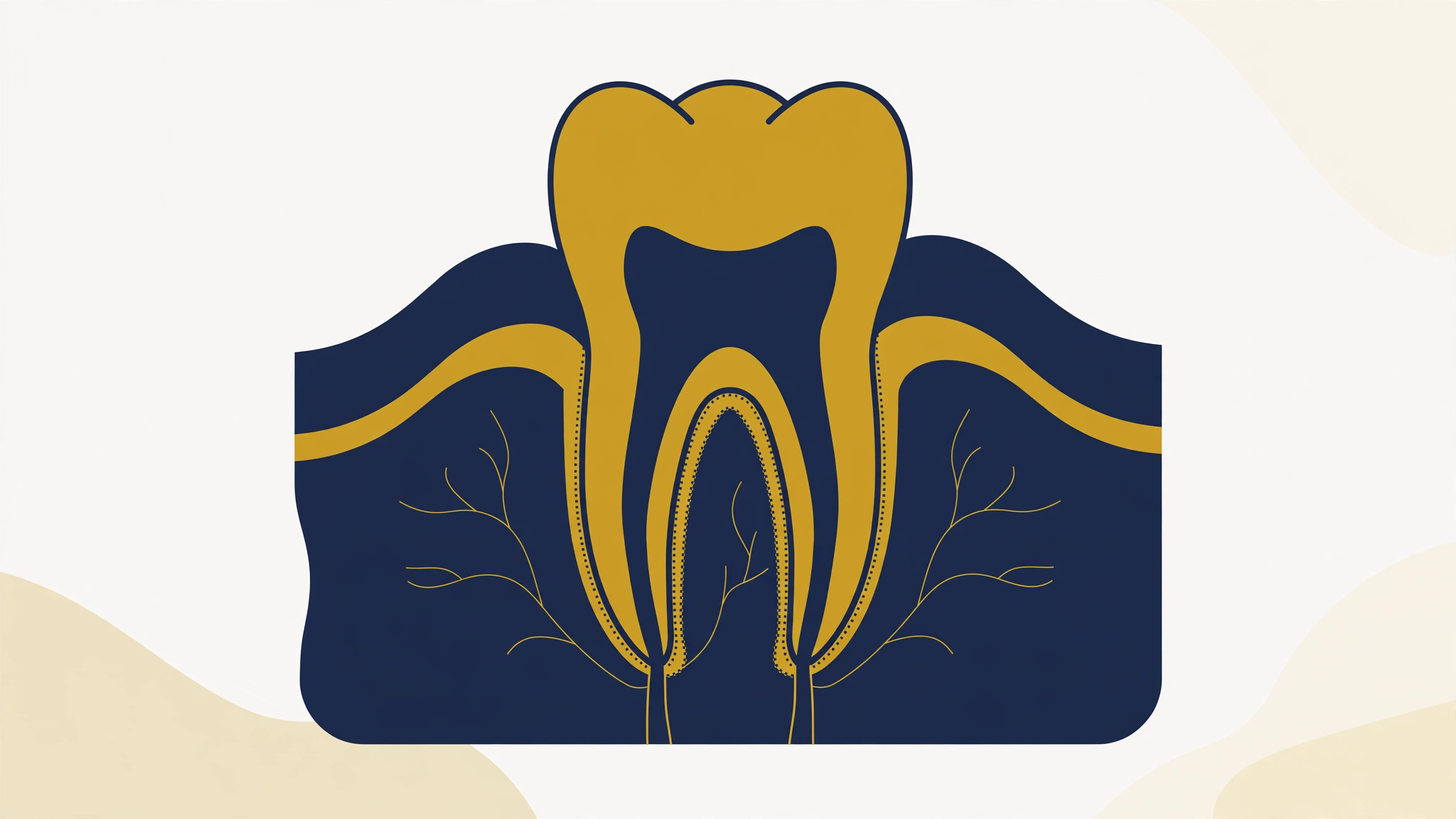
Oral health is the condition of the teeth, gums, tongue, lips, and the soft tissue that lines the mouth, and it covers 4 functions: chewing, speaking, tasting, and smiling. Oral health means more than white teeth. A healthy mouth has firm pink gums that do not bleed, teeth free of holes, fresh breath, and no lasting pain when you chew or drink cold water.
Oral health has 3 main parts: the teeth; the gums and the bone under them, which anchor each tooth; and saliva, which washes food away and carries minerals that repair enamel.
Problems start when plaque builds up. Plaque is a sticky film of bacteria that forms on teeth within hours after eating. Plaque bacteria turn sugar into acid, and the acid strips minerals from tooth enamel. Brushing and cleaning between teeth remove plaque before the acid causes lasting harm. The World Health Organization (2022) reports that oral diseases affect nearly 3.5 billion people worldwide, and untreated tooth decay in permanent teeth is the most common health condition on the list. Browse the Health category on Voice of Wave for more guides on everyday health topics.
How Does Oral Health Affect the Rest of the Body?
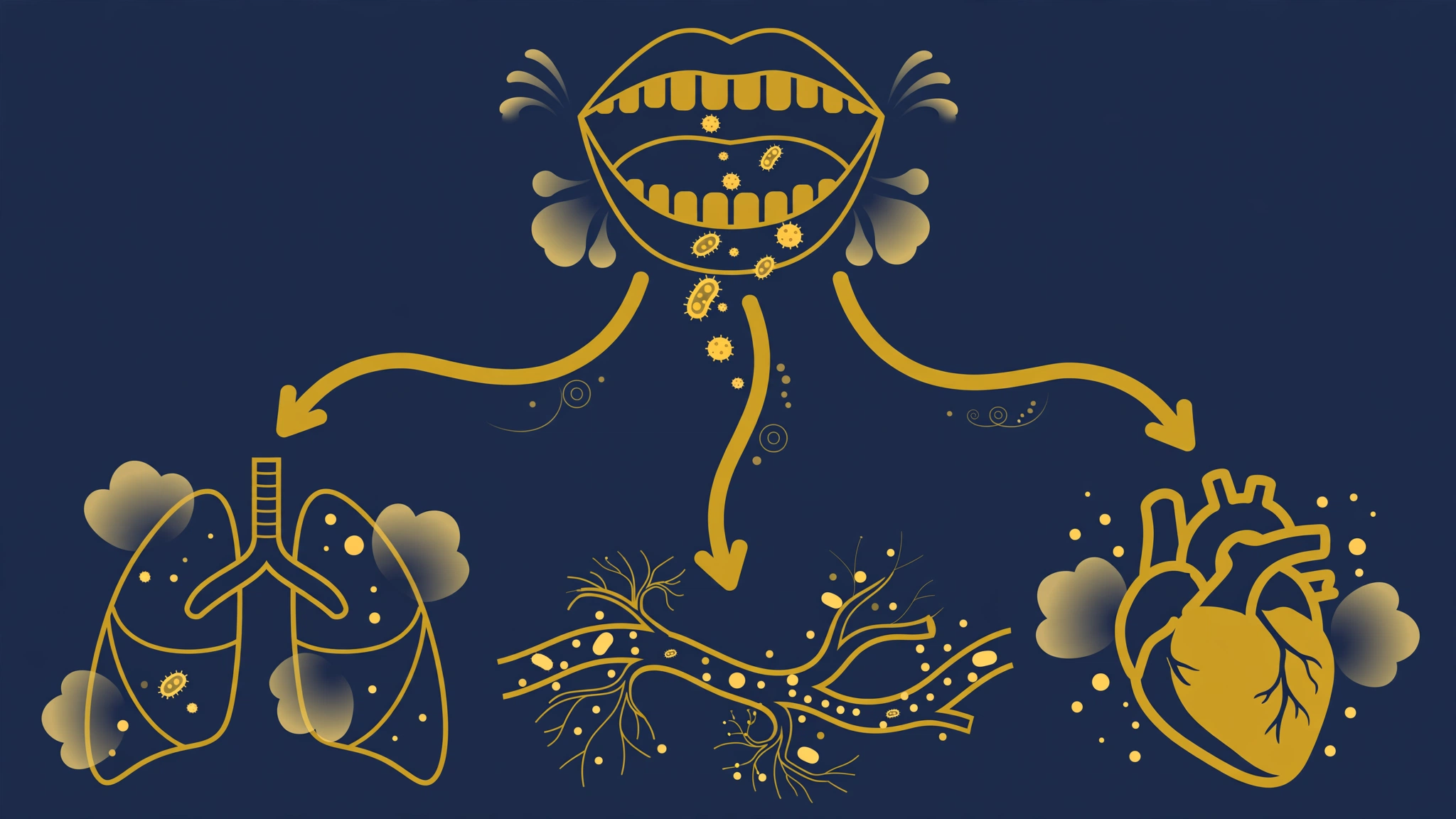
Oral health affects the rest of the body because the mouth is an open door to the blood and the lungs, and bacteria from infected gums can travel through both routes. Oral health affects the rest of the body in 2 ways: bacteria enter the blood through bleeding gums, and inflammation from gum disease raises inflammation levels across the whole body.
The blood route works like this. Gums that bleed during brushing have small breaks in the tissue, and mouth bacteria pass through those breaks into the blood. The body clears most of these bacteria fast, but daily entry over months keeps the immune system active. That long, low-level immune response is the link researchers study when they connect gum disease to heart and blood vessel problems.
The lung route works through breathing. Bacteria from the mouth can be breathed into the lungs, and this matters most for older adults and for people with weak immune systems.
Oral health also works as an early warning sign. Dentists often spot the first signs of diabetes, vitamin shortage, and immune problems in the mouth before a doctor sees them elsewhere.
What Health Conditions Link to Poor Oral Health?
Poor oral health links to 5 health conditions: heart disease, diabetes, pregnancy problems, lung infection, and tooth loss in older adults. Poor oral health does not cause these conditions on its own, and the research shows links and shared risk factors rather than a proven cause and effect in every case.
Heart disease and stroke
Periodontitis is a long infection of the tissue around the teeth. Bacteria and inflammation from periodontitis can reach blood vessel walls, and research links severe gum disease to a higher chance of heart attack and stroke. The Mayo Clinic (2021) notes that oral bacteria and gum inflammation may play a role in heart disease and stroke. Periodontal disease affects the tissue and bone that hold teeth in place, and the Global Burden of Disease study (2015) counted 538 million people affected worldwide.
Diabetes and gum disease feed each other in a two-way loop. High blood sugar weakens the gums’ defense against infection, so people with diabetes get gum disease more often. Gum infection then raises blood sugar, which makes diabetes harder to control. The Centers for Disease Control and Prevention (CDC) (2024) states that treating gum disease can help blood sugar control in people with diabetes.
Pregnancy problems and lung infection
Pregnant people with gum disease face a higher chance of early birth and low birth weight, and the link runs through inflammation that reaches the placenta. Dental care stays safe during pregnancy, and the second trimester is the best time for routine cleaning and fillings.
Bacteria from infected gums can travel into the lungs during sleep, and this raises the chance of pneumonia in older adults and in people with chronic lung disease. People who use inhalers for asthma should rinse the mouth with water after each dose, because inhaler medicine can dry the mouth.
How Does Oral Health Affect Mental Health and Daily Life?
Oral health affects mental health and daily life because pain, missing teeth, and bad breath change how a person eats, speaks, and meets other people. Oral health affects daily life in 3 ways: pain limits food choice, visible tooth problems lower confidence, and poor sleep from tooth pain lowers mood the next day.
Tooth pain is one of the most common reasons adults miss work. The CareQuest Institute for Oral Health (2023) estimated that adults in the United States lose 243 million work or school hours each year to oral health problems, and the lost output costs about 45 billion US dollars per year.
Missing or broken front teeth change social life. People with visible tooth problems smile less, avoid photos, and speak less in meetings. That withdrawal can turn into low mood over time.
Stress also shows up in the mouth. People under stress grind their teeth at night, a habit called bruxism, and grinding wears down enamel and causes jaw pain and headaches. Stress also dries the mouth, and a dry mouth grows more cavity-causing bacteria. A night guard from the dentist protects teeth from grinding. For stress relief ideas that pair with mouth care, read our guide to Types of Massage: Which One to Book.
What Does a Daily Oral Health Routine Look Like?
A daily oral health routine has 5 steps: brush twice, clean between teeth once, rinse with water after meals, use fluoride toothpaste, and check the mouth once a week. A daily oral health routine takes about 6 minutes in total.
Follow these 5 steps each day:
- Brush for 2 minutes in the morning after breakfast with fluoride toothpaste.
- Clean between teeth once a day with floss or interdental brushes.
- Rinse the mouth with plain water after lunch and after snacks.
- Brush for 2 minutes at night before bed, then spit out the toothpaste without rinsing.
- Check gums once a week for bleeding, swelling, or sores that do not heal.
To brush well, hold the brush at a 45-degree angle to the gum line and use small circles. Brush the outer, inner, and chewing surfaces, then brush the tongue from back to front. Replace the toothbrush every 3 months. The oral hygiene guide on Wikipedia sets out the same core steps: brushing twice a day with fluoride toothpaste and cleaning between the teeth each day.
Manual Toothbrush vs Electric Toothbrush
| Feature | Manual toothbrush | Electric toothbrush |
|---|---|---|
| Cost | Low, about 2 to 5 US dollars | Higher, about 25 to 100 US dollars |
| Plaque removal | Good with correct technique | Better in most studies |
| Ease of use | Needs careful technique | Built-in timer, less hand effort |
| Best for | Most adults | Children, older adults, people with arthritis |
Floss reaches the 40 percent of tooth surfaces that a brush cannot reach. Wind about 45 centimeters of floss around the middle fingers, slide it gently between teeth in a C shape, and move it up and down on each side. Interdental brushes suit wider gaps and braces.

Which Foods Help Oral Health and Which Foods Harm It?
Foods that help oral health are crunchy vegetables, cheese, yogurt, nuts, and water, and foods that harm oral health are sugary drinks, sticky sweets, and acidic drinks.
Foods that help oral health include:
- Cheese and yogurt: calcium and casein protein help repair enamel after acid attacks.
- Crunchy vegetables: carrots, celery, and apples raise saliva flow and scrub tooth surfaces.
- Nuts: almonds and walnuts give calcium and healthy fats without sugar.
- Leafy greens: spinach and kale give calcium and folic acid for gum tissue.
- Plain water: water rinses food away and keeps saliva flowing.
Foods and drinks that harm oral health include:
- Sugary soft drinks: sugar plus acid attack enamel for up to 20 minutes after each sip.
- Sticky sweets: toffee, dried fruit, and gummy candy cling to teeth and feed bacteria for hours.
- Citrus juice and sports drinks: acid softens enamel, and frequent sipping keeps the acid working.
- White bread and crackers: starch breaks down into sugar and sticks in tooth grooves.
- Alcohol: alcohol dries the mouth and lowers saliva, which raises cavity risk.
Timing matters as much as choice. One sweet dessert after a meal does less harm than the same sweet eaten in small bites across the afternoon, because each bite restarts the acid attack. Drink water after sweet or acidic food and wait 30 minutes before brushing.
How Often Should You Visit the Dentist?
Most adults should visit the dentist every 6 months for a check and cleaning, and people with gum disease, diabetes, or a history of cavities should visit every 3 to 4 months. A dentist visit has 3 parts: a check for cavities and gum disease, a cleaning that removes tartar the brush cannot shift, and advice on any problem the dentist finds. Tartar is hardened plaque, and only a dentist or hygienist can remove it once it forms.
A routine visit also screens for mouth cancer. The dentist checks the tongue, cheeks, floor of the mouth, and throat for sores, lumps, or white patches that do not heal. Early mouth cancer is far easier to treat than late mouth cancer, and the check takes less than 2 minutes.
Cost stops many people from visiting the dentist, and that delay turns small problems into large bills. A small cavity costs far less to fill than a root canal or a crown. People without dental cover can ask about payment plans and use community clinics for checks. The Voice of Wave health guides cover everyday health topics in plain language.

How Does Oral Health Change at Different Ages?
Oral health changes at different ages because teeth, gums, and saliva change across life, and each age group faces its own main risk.
Children
Children need fluoride toothpaste from the first tooth, with a rice-grain amount under age 3 and a pea-sized amount from age 3 to 6. Parents should brush a young child’s teeth until the child can tie shoelaces. Sealants on back teeth protect the grooves where most childhood cavities form. Sugary drinks are the main risk for children.
Adults
Adults face gum disease as the main risk, and the risk rises with smoking, diabetes, and stress. Adults should keep the 6-month visit schedule, replace a worn toothbrush on time, and treat grinding with a night guard when the dentist advises it. Adults who play contact sport should wear a mouth guard.
Older adults
Older adults face dry mouth, root cavities, and gum recession as the main risks. Many medicines dry the mouth, so older adults should sip water through the day. Receding gums expose tooth roots, and roots decay faster than enamel, so fluoride toothpaste and fluoride rinse matter more with age. Dentures need daily cleaning and a soak overnight.
What Are the Warning Signs That Need a Dentist Soon?
Warning signs that need a dentist soon are lasting tooth pain, bleeding gums, loose teeth, swelling, and mouth sores that do not heal within 2 weeks.
Call a dentist within 24 hours for tooth pain that lasts more than 2 days, swelling in the face or jaw, a knocked-out tooth, or bleeding that will not stop after 10 minutes of pressure. A knocked-out tooth can often be saved if seen within 1 hour.
Book a routine visit within 2 weeks for gums that bleed each time you brush, teeth that stay sensitive to cold, bad breath that stays after brushing and flossing, or a mouth sore that does not heal within 2 weeks.
Never ignore a mouth sore that does not heal. Most sores heal in 7 to 10 days, and a sore that stays longer needs a dentist to look at it. Never use aspirin on a sore tooth, because aspirin burns gum tissue. Never wait for a tooth infection to pass on its own, because infection can spread to the jaw and the blood.
Conclusion
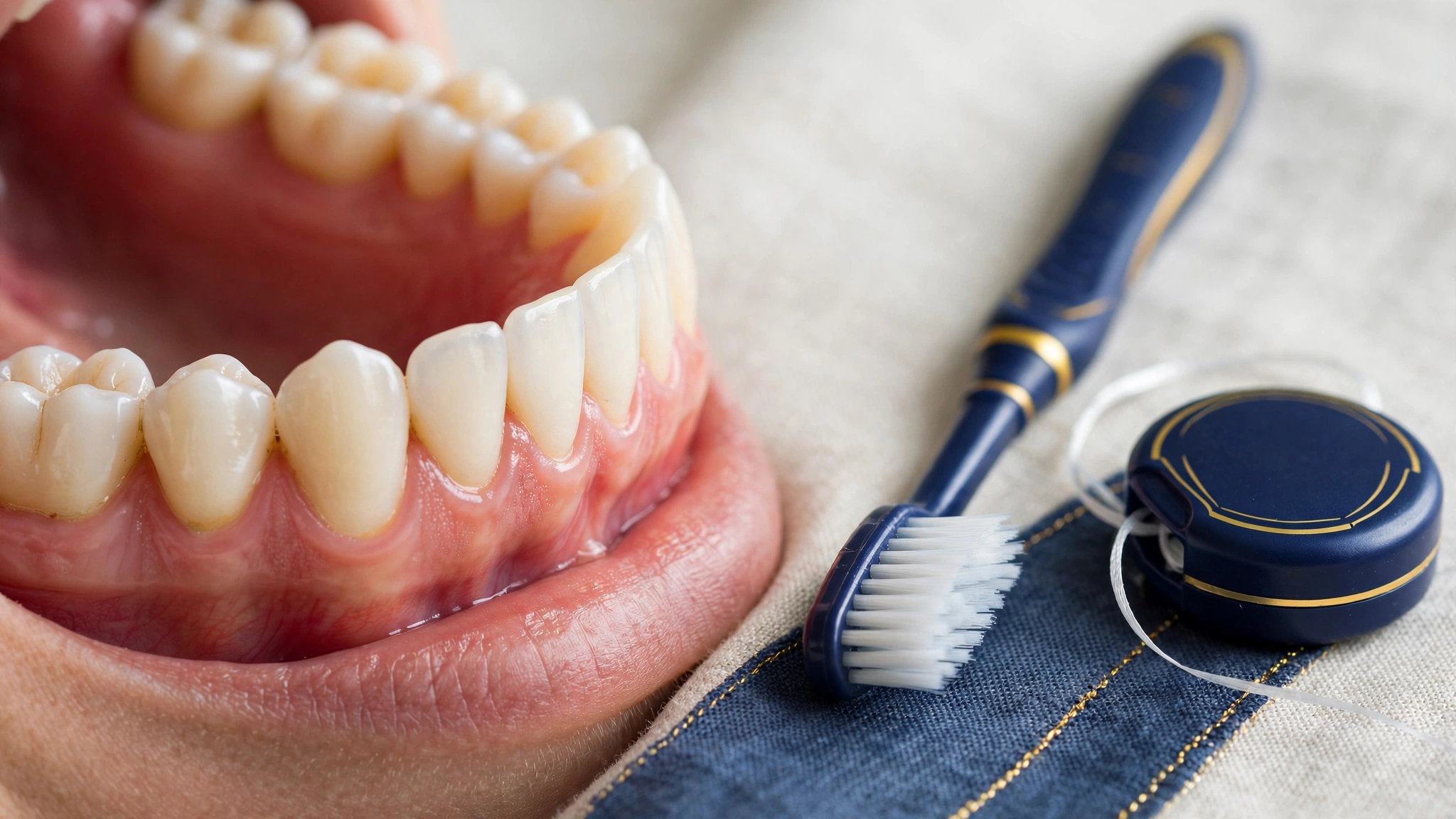
Oral health is the health of your teeth, gums, tongue, and mouth tissue, and it shapes eating, speaking, sleep, confidence, and the risk of heart disease, diabetes, and lung infection. The daily routine is short and plain: brush twice a day for 2 minutes with fluoride toothpaste, clean between teeth once a day, choose food that helps teeth, drink water, and see a dentist every 6 months. Start with one change today, such as brushing before bed without rinsing.
Explore more health guides: Visit the Voice of Wave blog for fresh articles on wellness, self-care, and everyday health topics.
Frequently Asked Questions
How often should I brush my teeth each day?
Brush your teeth twice a day, once in the morning after breakfast and once at night before bed. Brush for 2 minutes each time with fluoride toothpaste, using small circles at a 45-degree angle to the gum line. Spit out the toothpaste after brushing at night without rinsing, so the fluoride stays on the teeth longer.
Can poor oral health really affect my heart?
Yes, poor oral health links to heart disease through gum disease bacteria and inflammation. Severe gum disease, called periodontitis, lets bacteria enter the blood and reach blood vessel walls. Research shows a link, not a proven cause, so daily brushing and flossing remain the practical steps that lower the bacteria load.
What is the best way to stop bleeding gums?
Bleeding gums need gentle daily cleaning, not less cleaning. Brush twice a day with a soft brush and clean between teeth once a day, and the bleeding should ease within 1 to 2 weeks. If bleeding stays after 2 weeks, or gums stay swollen and sore, book a dentist visit to check for gum disease.
Does flossing matter if I already brush twice a day?
Yes, flossing matters because a brush cannot reach about 40 percent of tooth surfaces. Floss or interdental brushes clean the gaps between teeth and under the gum line, where most gum disease starts. Clean between your teeth once a day, and pick the tool you will use every day.
How do I keep my child’s teeth healthy?
Brush your child’s teeth twice a day with fluoride toothpaste, using a rice-grain amount under age 3 and a pea-sized amount from age 3. Limit sugary drinks and snacks, offer water and milk instead, and book a dentist visit every 6 months. Ask the dentist about sealants for back teeth.
When should I see a dentist right away?
See a dentist within 24 hours for tooth pain that lasts more than 2 days, face or jaw swelling, a knocked-out tooth, or bleeding that will not stop. Book a routine visit within 2 weeks for bleeding gums, lasting sensitivity, bad breath, or a mouth sore that does not heal within 2 weeks.