
Introduction
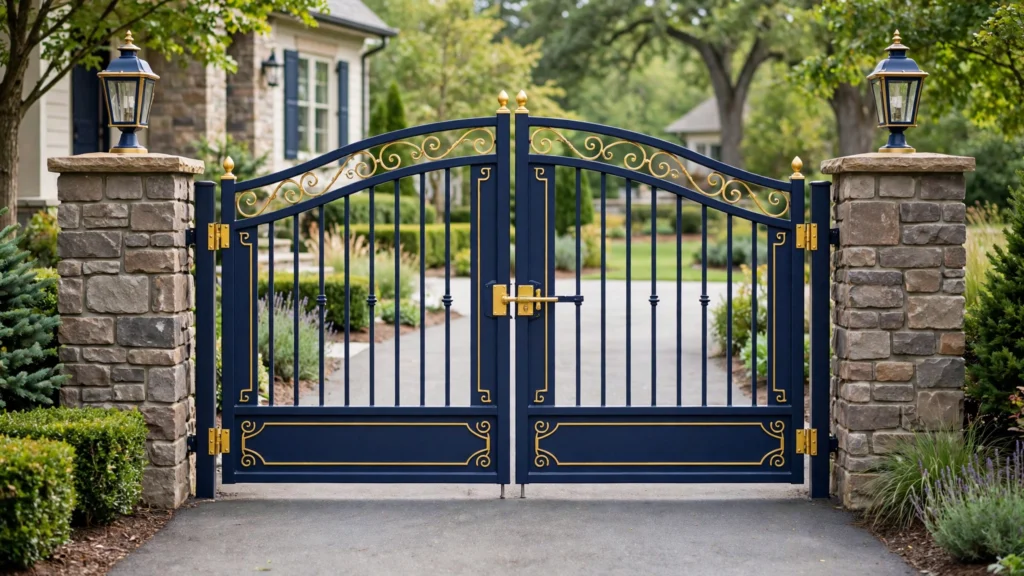
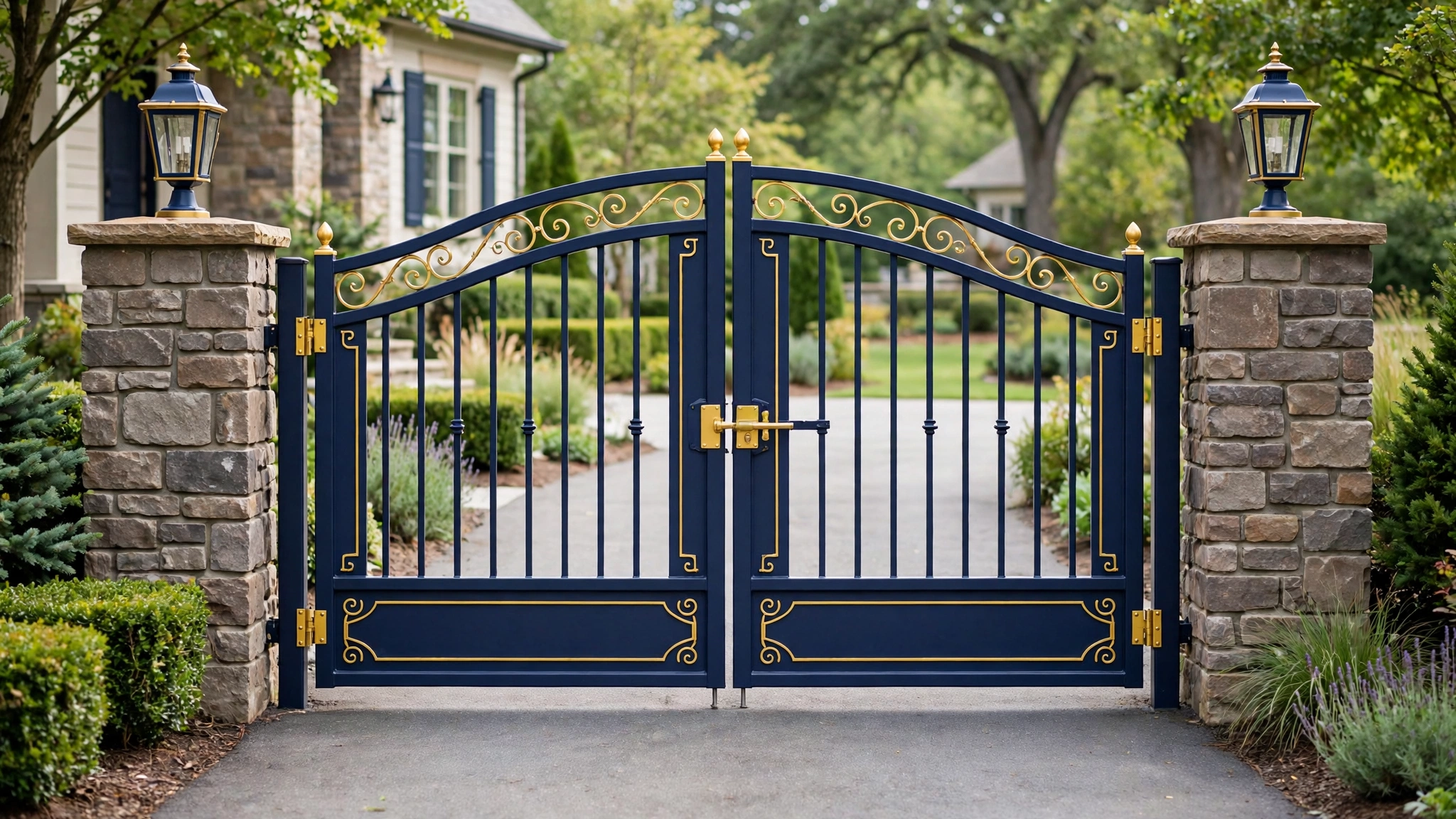
Driveway gate installation is the work of setting gate posts in firm footings, hanging a gate leaf on hinges or a track, fitting a latch or opener, and testing the gate for level swing, secure closing, and safe clearance at the property entry.
Driveway gate installation covers gate types, costs, permits, build steps, automation, and upkeep. The main parts are gate posts, gate leaves, hinges, latches, tracks or arms, openers, safety sensors, and power supply. The guide also names the checks that stop a gate from sagging and the quote lines that stop surprise charges. This guide walks through each choice in order, so a homeowner can compare gate types, read a quote with confidence, and plan upkeep before ordering materials for a first gate project.
Key Takeaways
- Driveway gate installation starts with posts, not with the gate leaf, since post depth and drainage decide gate life.
- Swing gates need clear swing space, sliding gates need clear side run, and cantilever gates need a counterbalance area beside the opening.
- Automatic gate installation costs between $2,380 and $8,000 in 2026, with a national average of $4,000 (Source: Angi, 2026).
- Check permits, property lines, buried utilities, and association rules before digging a single post hole.
- Test safety sensors, manual release, and latch alignment after install, and repeat those checks each season.
Table of Contents
- What Is Driveway Gate Installation?
- What Types of Driveway Gates Can You Install?
- How Much Does Driveway Gate Installation Cost in 2026?
- How Do You Install a Driveway Gate Step by Step?
- Should You Automate a Driveway Gate?
- Do You Need a Permit for Driveway Gate Installation?
- Should You Hire a Professional or Install a Driveway Gate Yourself?
- How Do You Maintain a Driveway Gate?
- Frequently Asked Questions
- Conclusion
What Is Driveway Gate Installation?
Driveway gate installation is the work of marking a gate opening, setting gate posts in concrete or a compacted base, hanging gate leaves on hinges or a sliding track, fitting latches or an opener, and testing the gate for level movement and secure closing.
A gate is a point of entry to a space enclosed by walls or other barriers, and gate operation can be manual or automated. Driveway gate installation applies that idea to a vehicle entry: posts carry the load, hinges or rollers carry the leaf, and a latch or lock holds the leaf closed. Driveway gate installation ends with checks for plumb posts, level leaves, even gaps, and a gate that swings or slides and latches cleanly each time.
Browse the Home Improvement guides for more home projects in the same category. A gate project fails most often at the posts, so post work deserves more care than leaf decoration. Heavy leaves need heavier posts and stronger hinges.
What Types of Driveway Gates Can You Install?
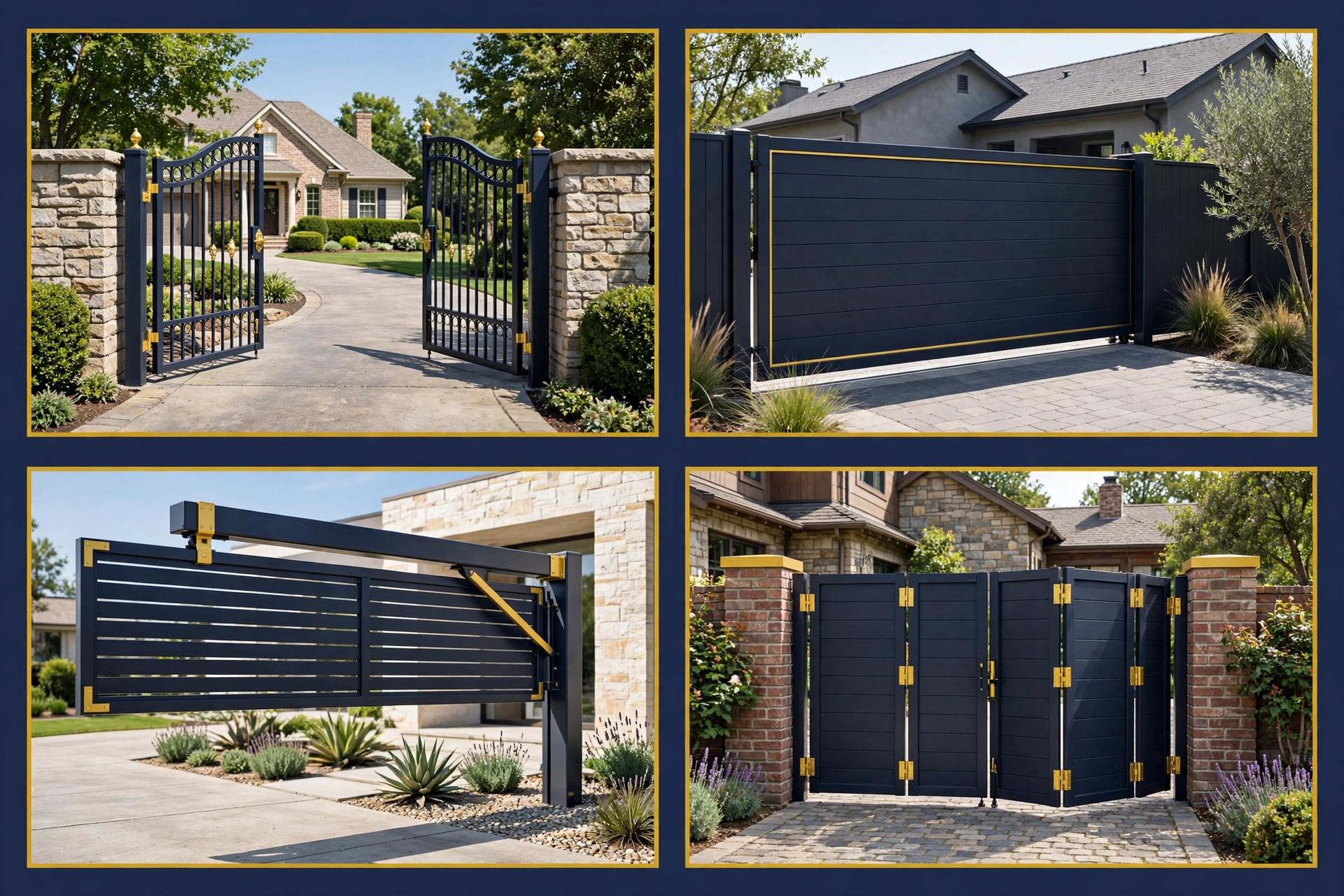
Driveway gate types divide by movement first and material second: swing gates arc open on hinges, sliding gates roll sideways on a track, cantilever gates slide without a ground track, and bi-fold gates fold in panels to save swing space at a home entry.
Swing gates use one leaf or two leaves: a single leaf suits a narrow drive, and two leaves suit a wide drive. Sliding gates use one leaf that rolls along a track beside the fence line. Cantilever gates hang from rollers and clear uneven ground without a ground track. Bi-fold gates use hinged panels that fold back for a short drive.
Material choice follows movement choice. Steel suits security and heavy use. Aluminum suits rust resistance and lighter leaves. Wood suits privacy, with stain or seal cycles. Wrought iron needs rust checks. Composite suits a wood look with less stain work. Chain-link suits low cost and pet control.
| Gate type | How driveway gate installation moves | Best fit | Main limit |
|---|---|---|---|
| Single swing | One leaf arcs open on hinges | Narrow drives, flat ground | Needs clear swing arc |
| Double swing | Two leaves arc open on hinges | Wide drives, balanced look | Needs two strong posts and clear arcs |
| Sliding | One leaf rolls sideways on a track | Slopes, tight swing space | Needs clear side run and a level track bed |
| Cantilever | One leaf hangs from rollers, no ground track | Uneven ground, gravel, snow areas | Needs counterbalance space beside the opening |
| Bi-fold | Panels fold back on hinges | Short drives, limited swing room | Needs more hinges and folding hardware |
An electric gate is a type of gate that can be opened and closed using an electrically powered mechanism, and driveway gate openers can be the rollback sliding type or the swing type. That distinction helps a buyer name the opener type before ordering hardware. A gate leaf that is too heavy for its hinges will sag, drag, and strain the opener. Measure leaf weight, leaf width, and post strength together.
How Much Does Driveway Gate Installation Cost in 2026?
Driveway gate installation cost in 2026 runs from $2,380 to $8,000 for automatic gate installation, with a national average of $4,000, and permit fees run from $150 to $300 where a permit applies for a typical residential opening (Source: Angi, 2026).
Cost moves with gate type, material, width, automation, site work, and power supply. Swing gates cost less than sliding gates in most quotes because swing gates need no long track. Sliding gates cost more because sliding gates need a track, a stronger opener, and a clear side run. Cantilever gates cost more again because cantilever gates need a counterbalance frame and stronger rollers. Custom sizes and decorative panels add cost on top of the base gate.
A written quote should separate each line: gate body, posts and footings, hinges and hardware, opener and motor, power path, safety devices, access controls, permits, site preparation, and old gate removal. Masonry pillars, trenching, and electrical upgrades often sit outside the base quote, so ask each bidder to state those lines in writing.
How Do You Install a Driveway Gate Step by Step?
Driveway gate installation follows 8 steps in order: confirm the line and permits, mark utilities, set the layout, dig post holes, set posts in concrete, hang the gate leaf, fit latches or an opener, and run final checks for a manual or automatic gate.
- Confirm the property line, permits, and association approval in writing.
- Call 811 and mark all buried utility lines before digging.
- Mark the gate opening with stakes and string, then mark each post spot.
- Dig post holes wider than the posts, with depth suited to soil and frost line.
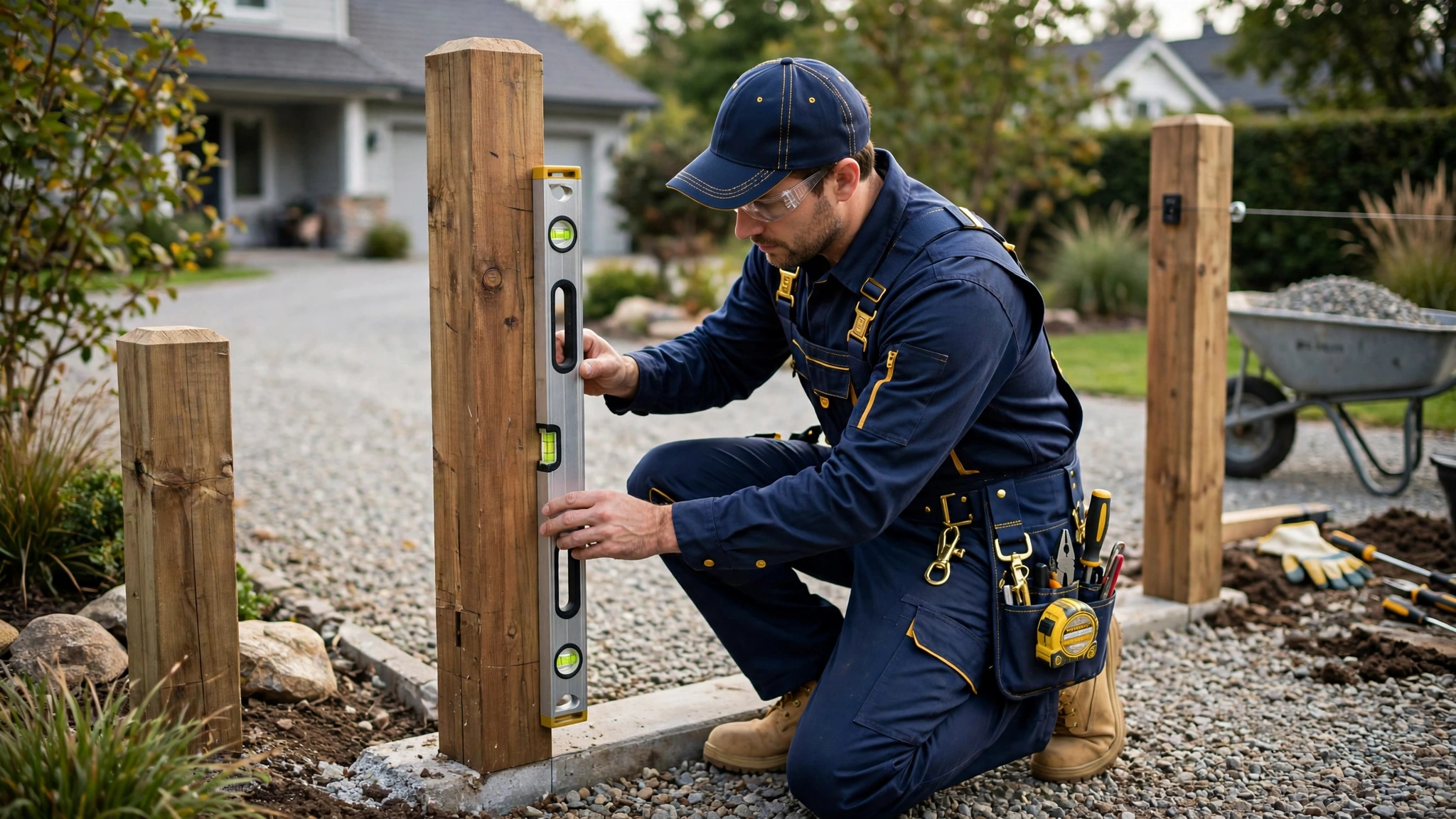
- Set posts plumb in concrete, brace each post, and let concrete cure.
- Hang the gate leaf on hinges or a track, level at each check.
- Fit latches, locks, or an opener, plus safety sensors for automatic gates.
- Check plumb, level, gaps, swing or slide travel, and latch alignment.
Post setting decides whether the gate stays straight. Brace each post while concrete cures, and do not hang a heavy leaf on green concrete. Check the opening width at the top and at the bottom, since posts that lean inward will bind the leaf. Fit hinges to the structural frame of the leaf, not to thin infill panels alone.
For a related boundary project, read the fence installation guide for post, panel, and gate basics that pair with a driveway gate.
Should You Automate a Driveway Gate?
Yes, automate a driveway gate when daily vehicle use, security control, or access for family members makes manual opening a daily burden, and keep a manual gate when use is light, power access is hard, and budget is tight for daily family use.
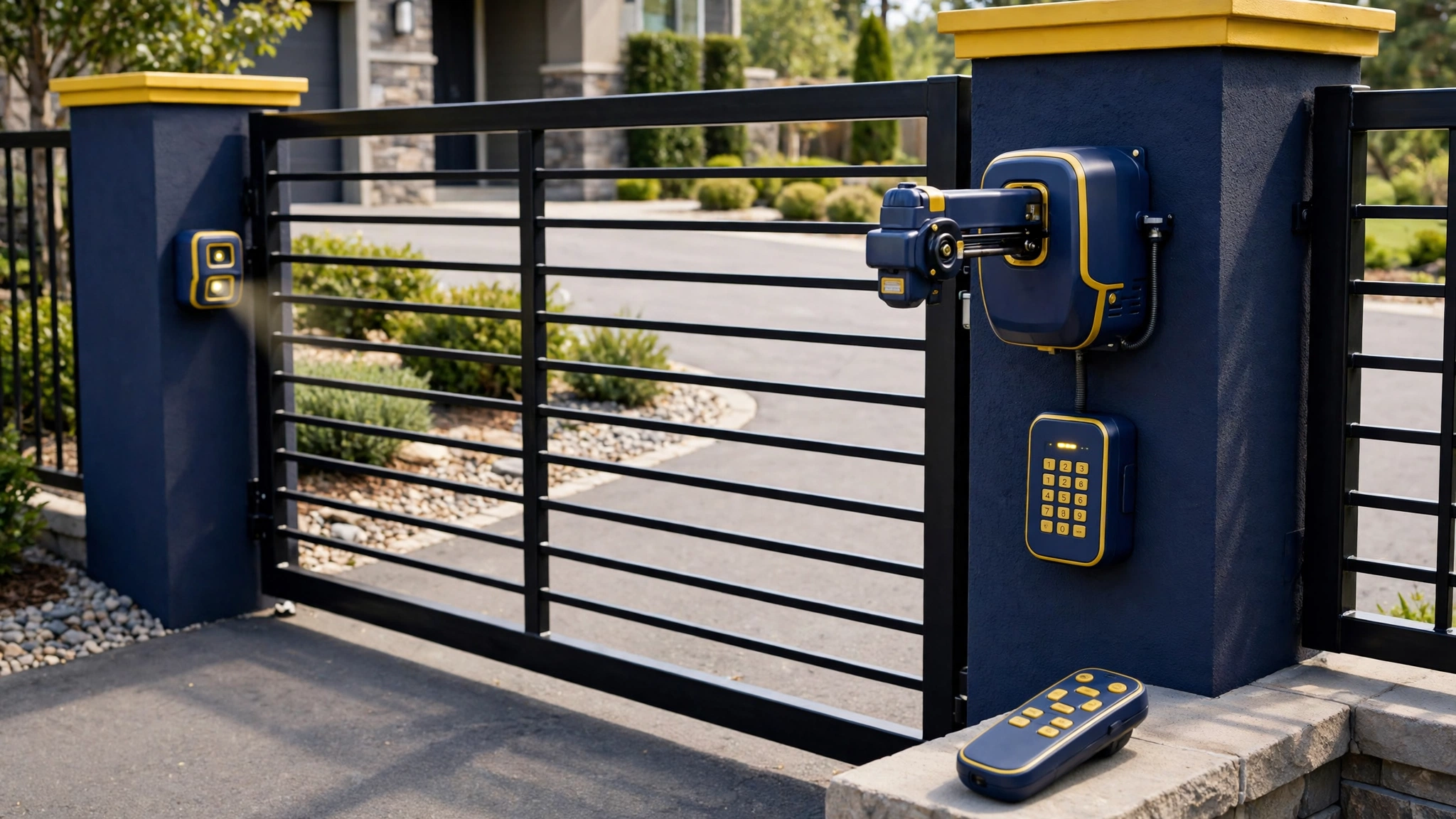
Automation uses a motor, a control board, a remote or keypad, and safety devices. Swing openers use arm or underground motors that push each leaf open. Sliding openers use a motor and rack that pulls the leaf sideways. Solar kits suit sites without mains power near the gate. Hardwired power suits heavy daily use.
Safety devices matter as much as the motor. Photo sensors stop the gate when a vehicle or person blocks the path. Sensing edges stop the gate on contact at pinch points. A manual release lets a user open the gate during a power failure. In the United States, electric gate installations must meet the UL 325 standard (Source: Wikipedia, 2026). Test each device after install.
A gate is a point of entry to a space enclosed by walls or other barriers, and gate operation can be automated or manual. That simple definition frames the automation choice: automation changes how the gate moves, not what the gate is for. Access controls add a second choice: remotes suit family cars, keypads suit visitors, and intercoms suit screening visitors. Choose one primary access method and one backup method.
Do You Need a Permit for Driveway Gate Installation?
Yes, many driveway gate projects need a permit, and a permit is most likely when the gate includes electrical work, stands over a local height limit, sits on a boundary, or sits in a regulated zone for a typical home project.
Permit rules change by city, county, and association, so check both offices in writing before ordering materials. Electrical work for a hardwired opener often needs an electrical permit, even when the gate frame alone needs no building permit. Association rules add a second approval layer, with caps on height, limits on materials and colors, and design approval before work starts. A gate built without approval can draw fines and a removal order.
Site checks belong with the permit check. A boundary survey gives a legal record of the property edge when the line is in doubt. Old stakes and neighbor agreement do not replace a survey when a dispute starts. Tell neighbors about the plan, and keep the gate inside the boundary unless a written agreement exists. Call 811 before digging so utility firms can mark buried lines.
Should You Hire a Professional or Install a Driveway Gate Yourself?
Hire a professional for automatic gates, slopes, rock, masonry pillars, or electrical work, and choose DIY driveway gate installation for a short, flat, manual gate with simple panels and no wiring complexity at a home entry on flat ground without slopes or wiring.
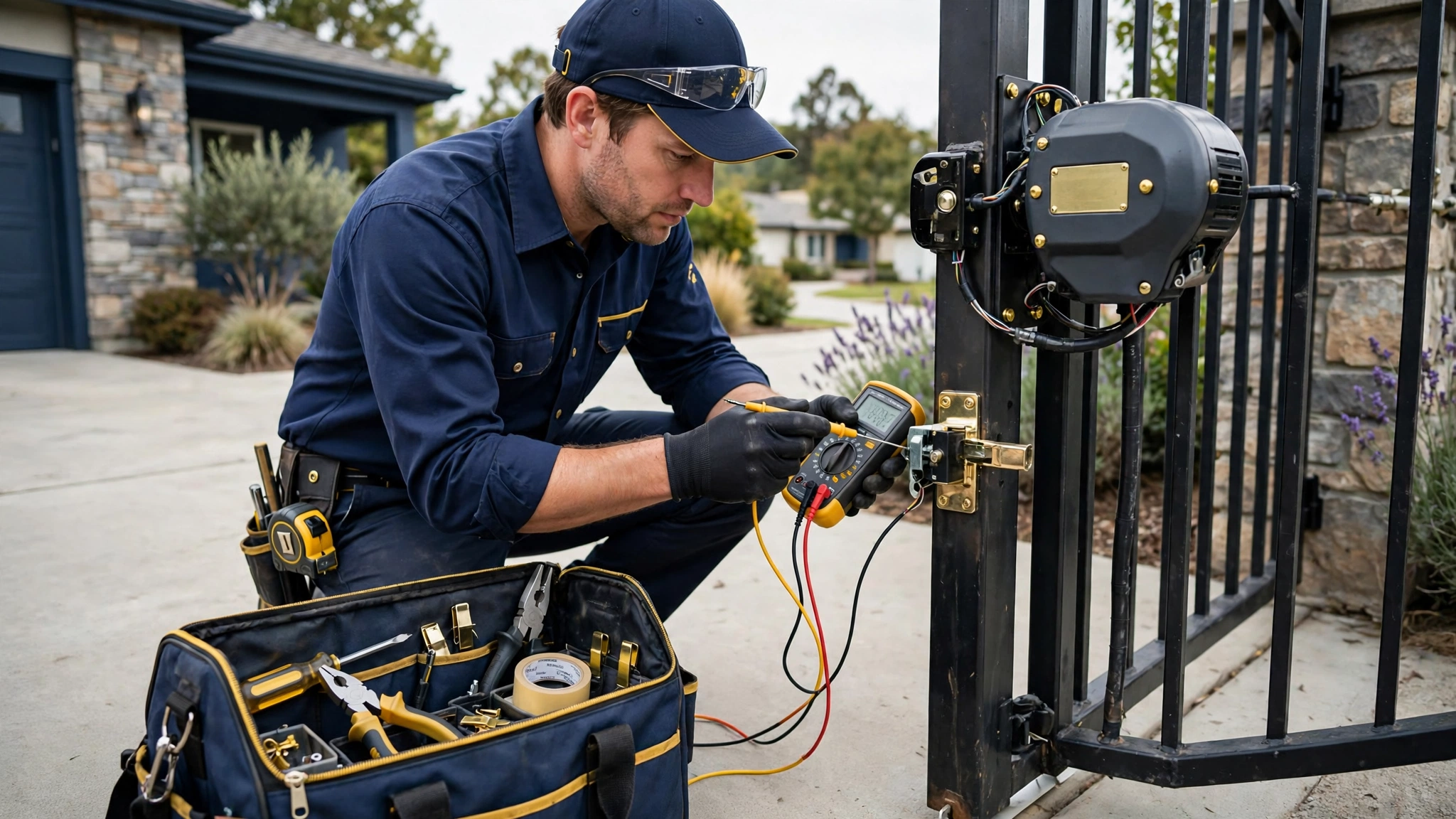
DIY suits a handy homeowner with a helper, a rented auger, and a free weekend for a single manual gate. A professional crew brings post setting equipment, gate lifting help, opener programming, and safety testing. A heavy steel leaf needs two people to lift safely, and a sliding gate needs a level track bed that is hard to fix after concrete sets.
Check installer credentials before signing. Ask for proof of trade licensing where the area requires it, proof of insurance, and references for gate work, not just fence work. Ask each bidder to state who pulls permits, who runs electrical work, and who tests safety devices. Get the safety device list and warranty terms in writing.
How Do You Maintain a Driveway Gate?
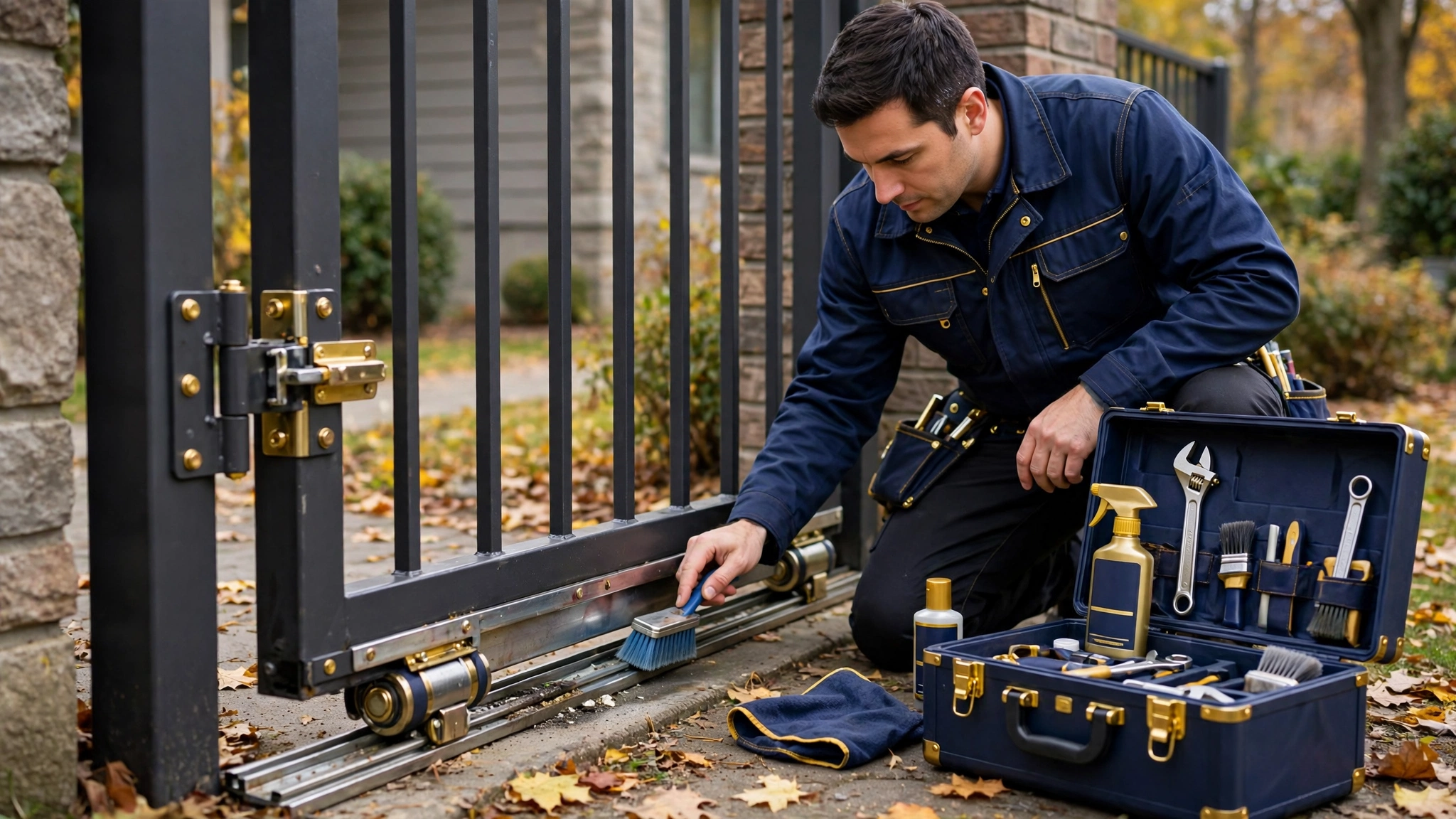
Driveway gate maintenance is a seasonal check of posts, hinges, rollers, tracks, latches, opener parts, and safety sensors, plus cleaning and lubrication, to stop small wear from turning into sag, drag, or opener failure before small faults grow larger each year.
Check posts each season for lean, soil erosion, and standing water at the base. Check hinges for loose bolts, rust, and leaf sag, and tighten or replace hardware before the leaf starts dragging. Clear sliding tracks of gravel, leaves, and ice, and check rollers for wear and flat spots. Lubricate hinges, rollers, and lock parts with a product suited to outdoor metal.
Wood gates need stain or seal cycles to slow rot and sun damage. Metal gates need rust checks at welds, hinges, and ground contact points, with touch-up paint for chips. Test automatic gate safety sensors each season by blocking the path and confirming the gate stops or reverses. Test the manual release each season, and replace remote batteries before they fail.
Voice of Wave covers home improvement topics for general readers. A gate that passes seasonal checks stays level, latches cleanly, and opens safely for years.
Frequently Asked Questions
How much does driveway gate installation cost?
Automatic gate installation costs between $2,380 and $8,000 in 2026, with a national average of $4,000 (Source: Angi, 2026). Manual gates cost less, since manual gates need no motor, power path, or safety sensors. Get three written quotes for the same gate type and width.
Do I need a permit for a driveway gate?
Yes, many driveway gate projects need a permit, and electrical work for a hardwired opener often needs an electrical permit. Rules change by city, county, and association, so check the local building office and association in writing before ordering materials or digging post holes.
Is a swing gate or a sliding gate better for a sloped driveway?
A sliding gate or a cantilever gate is better for a sloped driveway, since a swing leaf can hit rising ground in its arc. A swing gate suits flat ground with clear swing space. Measure slope, swing arc, and side run before choosing a gate type.
How long does driveway gate installation take?
A manual gate install takes one to two days after posts are set and concrete has cured (Source: Kandua, 2026), while automatic gates, masonry pillars, or site work add days. Concrete curing time, permit review, and custom gate fabrication also add time before the install day.
Can I install a driveway gate myself?
Yes, you can install a manual driveway gate yourself when the site is flat, the gate is light, and no wiring is involved. Hire a professional for automatic gates, heavy steel leaves, slopes, rock, masonry pillars, or electrical work, since those jobs need equipment and safety testing.
How do I stop a driveway gate from sagging?
Stop gate sag by setting hinge posts in firm footings, fitting hinges to the gate frame, and checking post plumb and drainage each season. Tighten loose hinge bolts early, replace worn hinges before drag starts, and keep standing water away from post bases.
Conclusion
Driveway gate installation starts with posts, permits, and measurements, not with the gate leaf alone. Driveway gate installation works best when the gate type fits the slope, the swing space, and the side run, when the quote separates each cost line, and when safety devices are tested after install. A manual gate suits light use and a tight budget. An automatic gate suits daily use and controlled access, with a manual release for power failure.
Explore the latest home and lifestyle articles on Voice of Wave blog for more guides in this series.