


Introduction
Trauma counseling is a form of psychotherapy that helps a person process a distressing event, reduce trauma-related symptoms, and build coping skills, with safety and pacing set by the client and the counselor together, and trauma counseling sets the pace of that work around safety, choice, and readiness. Trauma counseling differs from general talk therapy because trauma counseling uses methods built for trauma reactions, such as intrusive memories and avoidance, rather than open-ended discussion alone.
Trauma counseling supports healing in 3 phases: safety and skills, processing, and maintenance. Trauma counseling covers single, repeated, and childhood events, and trauma counseling uses trauma-focused CBT, EMDR, prolonged exposure, and CPT. Readers can learn what each approach involves, what a first session covers, how to choose a counselor, and what results and limits to expect. This guide is general education only, and a professional should assess any person who needs diagnosis or treatment.
Key Takeaways
- Trauma counseling is psychotherapy built for trauma reactions, with safety and pacing at the center of the work.
- Trauma counseling usually follows 3 phases: safety and skills, processing, and maintenance.
- Main approaches include trauma-focused CBT, EMDR, prolonged exposure, CPT, and somatic and group methods.
- A first session covers history, goals, safety planning, and fit, and a client can decline to share details.
- Trauma counseling is general education in this article, not medical advice, and diagnosis needs a licensed professional.
Table of Contents
- What Is Trauma Counseling?
- What Types of Trauma Can Trauma Counseling Address?
- How Does Trauma Counseling Work?
- What Are the Main Approaches Used in Trauma Counseling?
- Trauma Counseling vs General Talk Therapy
- What Happens in a First Trauma Counseling Session?
- How Do You Choose a Trauma Counselor?
- What Results Can Trauma Counseling Support, and What Are Its Limits?
- Frequently Asked Questions
- Conclusion
What Is Trauma Counseling?
Trauma counseling is a form of psychotherapy that helps a person process a distressing event, reduce trauma-related symptoms, and build coping skills, through structured sessions with a trained counselor, and trauma counseling keeps safety, choice, and pacing at the center of every session and every method used. Trauma counseling starts from one fact: a traumatic event can keep affecting thoughts, feelings, body responses, and relationships long after the event ends. Trauma counseling treats those effects directly, rather than treating only low mood or worry in general terms.
Trauma counseling covers several methods, not one single technique. A counselor trained in trauma work uses a named method, sets clear goals with the client, and tracks symptoms over time. Trauma counseling also uses trauma-informed care, which means the counselor works to protect physical safety, emotional safety, choice, and trust in every session. Trauma-informed care shapes how questions are asked, how fast the work moves, and how a client can pause or stop a topic.
Crisis support responds to an urgent need in the moment, while trauma counseling is planned work over weeks or months. Trauma counseling can sit beside medical care, and a counselor can refer a client to a doctor or psychiatrist when medication, sleep problems, or physical symptoms need separate assessment. Readers who want more health topics can browse the Health section for related guides.
What Types of Trauma Can Trauma Counseling Address?
Trauma counseling can address single events, repeated events, childhood events, and events linked to work or medical care, when those events still cause distress, avoidance, or problems in daily life, and trauma counseling can start even when a person has no formal diagnosis and symptoms are still mild. Trauma counseling does not require a formal PTSD diagnosis before a person seeks help. Trauma counseling can help a person whose symptoms are mild, moderate, or severe, and trauma counseling can help a person whose main problem is anxiety, low mood, sleep trouble, or relationship strain after an event.
Single-event trauma includes a road collision, a natural disaster, an assault, or the sudden death of a loved one. Repeated trauma includes ongoing abuse, ongoing violence at home, or repeated exposure to danger at work. Childhood trauma includes abuse, neglect, or household instability during childhood, and childhood trauma can affect adult relationships and health years later. Work-related trauma affects emergency workers, health workers, and journalists who face danger or distressing scenes as part of a job.
Psychological trauma is an emotional response to severe distressing events, and psychological trauma can lead to flashbacks, panic attacks, insomnia, nightmares, relationship problems, and PTSD in some people. Not every person who faces a distressing event develops PTSD, so trauma counseling plans differ. A counselor assesses symptoms, history, current safety, and support before choosing a method.

How Does Trauma Counseling Work?
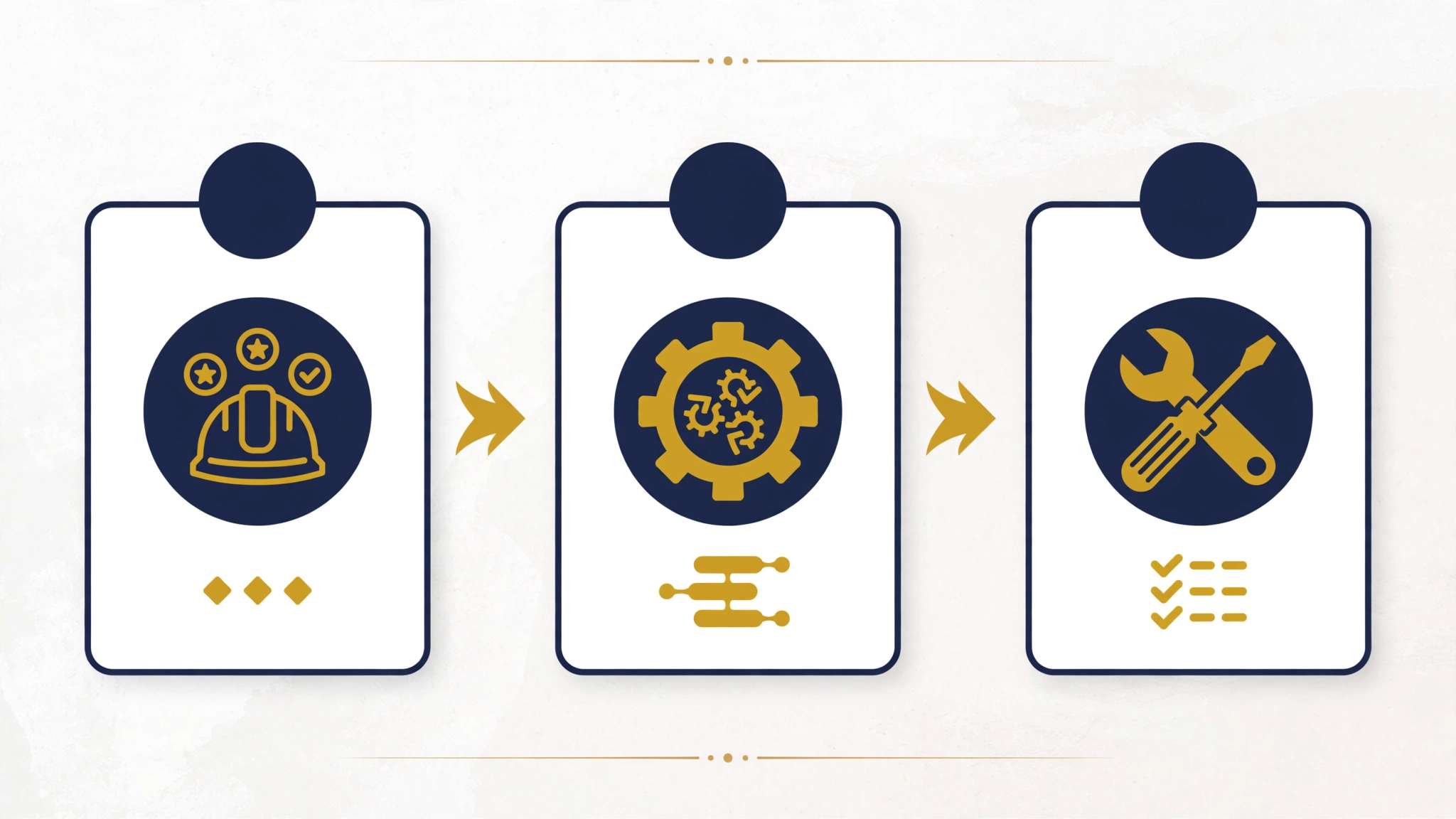
Trauma counseling works in 3 phases: safety and skills, processing, and maintenance, and trauma counseling moves to processing only after safety and skills are stable enough for the client, and trauma counseling stays in each phase only as long as the client needs that phase. Trauma counseling in phase 1 builds safety, sleep routines, grounding skills, and emotion regulation skills. Trauma counseling in phase 2 uses a named method to process memories, beliefs, or body responses linked to the event. Trauma counseling in phase 3 reviews progress, plans for triggers, and sets steps for daily life after regular sessions end.
To build safety, a counselor and client agree on session rules, crisis contacts, and signals for pausing a topic. To build skills, a counselor teaches grounding, breathing, and muscle relaxation. To process trauma, a counselor uses gradual, paced work, and a counselor never requires a client to retell full details before the client is ready. To maintain gains, a counselor and client review warning signs and coping plans.
One practical observation for readers is that a first phase of trauma counseling often centers on safety planning and daily stability rather than detailed retelling of the event. That order matters, because processing without stability can raise distress and avoidance. A counselor should state the expected course at the start, and homework often includes short practice tasks or symptom tracking between sessions.
What Are the Main Approaches Used in Trauma Counseling?
The main approaches used in trauma counseling are trauma-focused CBT, EMDR, prolonged exposure, CPT, and somatic and group methods, and the choice depends on symptoms, age, preference, and counselor training, and trauma counseling matches the method to the person, rather than using one method for every person. Trauma counseling methods share one goal: reduce the power of trauma reminders and help the person respond to daily life with less distress. Trauma counseling methods differ in method, session tasks, and the amount of talking about the event.
Trauma-Focused Cognitive Behavioral Therapy (TF-CBT)
Trauma-focused CBT helps a person notice links among thoughts, feelings, and actions after trauma, and trauma-focused CBT teaches coping skills, gradual exposure to reminders, and work on unhelpful beliefs. Trauma-focused CBT was built for children and adolescents, and trauma-focused CBT now also guides adult trauma work in adapted forms. Trauma-focused CBT sessions often include psychoeducation, relaxation skills, and a trauma narrative, which is a structured account built at a safe pace.
Eye Movement Desensitization and Reprocessing (EMDR)
Eye Movement Desensitization and Reprocessing (EMDR) is a structured method in which a client briefly holds a traumatic memory in mind while following bilateral stimulation, such as guided eye movements or taps. EMDR aims to lower the emotional charge of a memory so the memory can be stored as a past event rather than a present threat. EMDR involves less detailed talking about the event than some talk-based methods, and EMDR suits some clients who find detailed retelling hard. A 2023 Cochrane systematic review placed EMDR as a first-line treatment for PTSD alongside other trauma-focused psychotherapies, and a 2025 systematic review and meta-analysis in the British Journal of Psychology found EMDR more effective than waitlist or usual care, with no significant difference in outcomes between EMDR and trauma-focused CBT. Source: Cochrane (2023) and British Journal of Psychology (2025).
Prolonged Exposure and Cognitive Processing Therapy (CPT)
Prolonged exposure helps a person approach trauma-related memories and situations in gradual, planned steps, so avoidance loses force over time. Prolonged exposure uses imaginal exposure, which means revisiting a memory in session, and in vivo exposure, which means approaching safe real-life situations that have been avoided. Cognitive Processing Therapy (CPT) helps a person examine beliefs about safety, trust, power, esteem, and intimacy after trauma, and CPT helps a person test stuck beliefs against evidence. CPT uses written work and structured discussion, and CPT suits clients who want a clear, thought-based method.
Somatic, Group, and Family Methods
Somatic methods work with body responses, such as tension and breathing, and somatic methods help a person notice physical stress responses linked to trauma. Group trauma counseling lets people share coping skills in a structured group, and group trauma counseling can reduce isolation. Family trauma counseling helps family members learn about trauma reactions and support recovery at home.
Post-traumatic stress disorder (PTSD) is a mental disorder that can develop after exposure to a traumatic event, and PTSD symptoms include disturbing thoughts, feelings, or dreams related to the event, distress at trauma-related cues, avoidance of trauma-related situations, and increased fight-or-flight response. PTSD counseling is one part of trauma counseling, and PTSD counseling uses the same trauma-focused methods described in this section. A licensed professional makes a PTSD diagnosis based on symptoms and duration, and a licensed professional should assess any person who reports PTSD symptoms.
Trauma Counseling vs General Talk Therapy
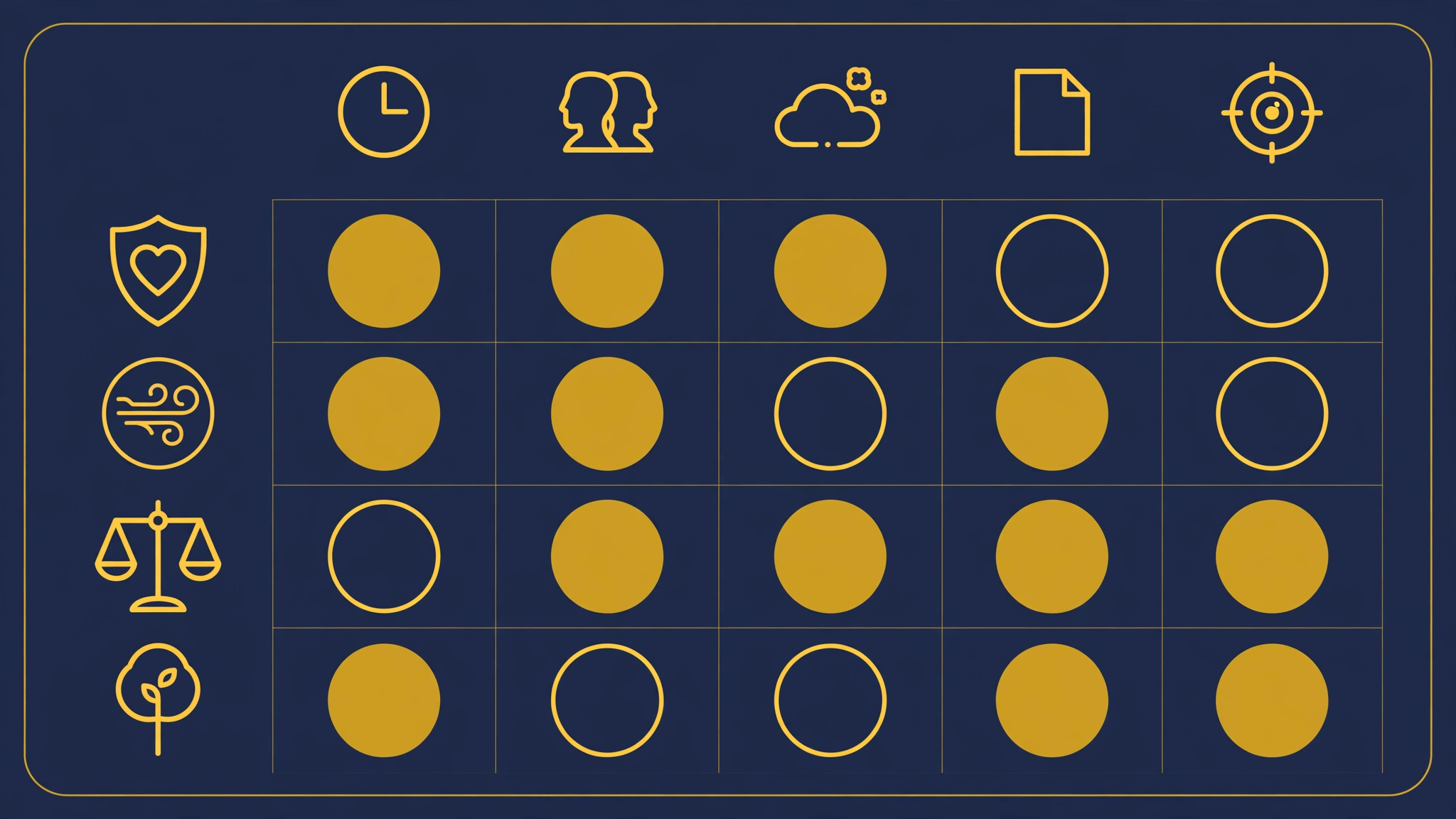
Trauma counseling differs from general talk therapy because trauma counseling targets trauma reactions with a named trauma-focused method, phased pacing, and safety planning, while general talk therapy covers a wider range of life problems with open-ended discussion, and trauma counseling also tracks symptoms over time so progress stays visible to client and counselor. Trauma counseling suits a person whose main problem is trauma symptoms. General talk therapy suits a person whose main problem is life stress, low mood, or relationship strain without a trauma focus.
| Feature | Trauma counseling | General talk therapy |
|---|---|---|
| Main focus | Trauma reactions, memories, beliefs, and body responses | Life problems, mood, relationships, and personal growth |
| Method | Named trauma-focused method, such as TF-CBT, EMDR, prolonged exposure, or CPT | Open-ended discussion, supportive listening, or general CBT |
| Pacing | Phased: safety and skills first, then processing, then maintenance | Flexible pacing set by topic and client need |
| Safety planning | Central part of the plan, with pause signals and crisis contacts | Present in good practice, but not always a formal plan |
| Homework | Structured practice, exposure tasks, or written work linked to trauma | Varied homework, often reflection or behavior tasks |
| Best fit | PTSD, trauma symptoms, avoidance, flashbacks, or trauma-linked anxiety | General stress, low mood, grief, or relationship problems without a trauma focus |
For a related overview, read our guide to behavioral therapy approaches.
What Happens in a First Trauma Counseling Session?
A first trauma counseling session covers introductions, presenting problems, relevant history, current safety, goals, and the proposed method, and a first session does not require a client to retell the traumatic event in detail, and a first session also sets fees, confidentiality limits, and the next step for care. A first trauma counseling session usually starts with consent, confidentiality limits, fees, and session rules. A counselor asks about symptoms, sleep, daily functioning, support, and current risks, and a counselor asks about past care and medical history that affects treatment.
A first session also covers what trauma counseling can and cannot do, how progress will be tracked, and how often sessions will take place. A client can ask about license, trauma training, and method, and a client can decline any question or ask to slow down. A good first session ends with a clear next step, and a client who feels unsafe or pressured can seek a different counselor.
How Do You Choose a Trauma Counselor?
To choose a trauma counselor, check license, trauma training, method, format, cost, and personal fit, and choose a counselor who states a clear plan and welcomes questions about training and progress, and a counselor who welcomes questions about training, method, and progress shows a good starting fit. Trauma counseling needs a licensed professional, such as a licensed psychologist, licensed counselor, clinical social worker, or psychiatrist, with explicit training in a trauma-focused method. Trauma counseling from an unlicensed provider, or from a provider who cannot name a method, carries risk, because poorly paced exposure can raise distress.
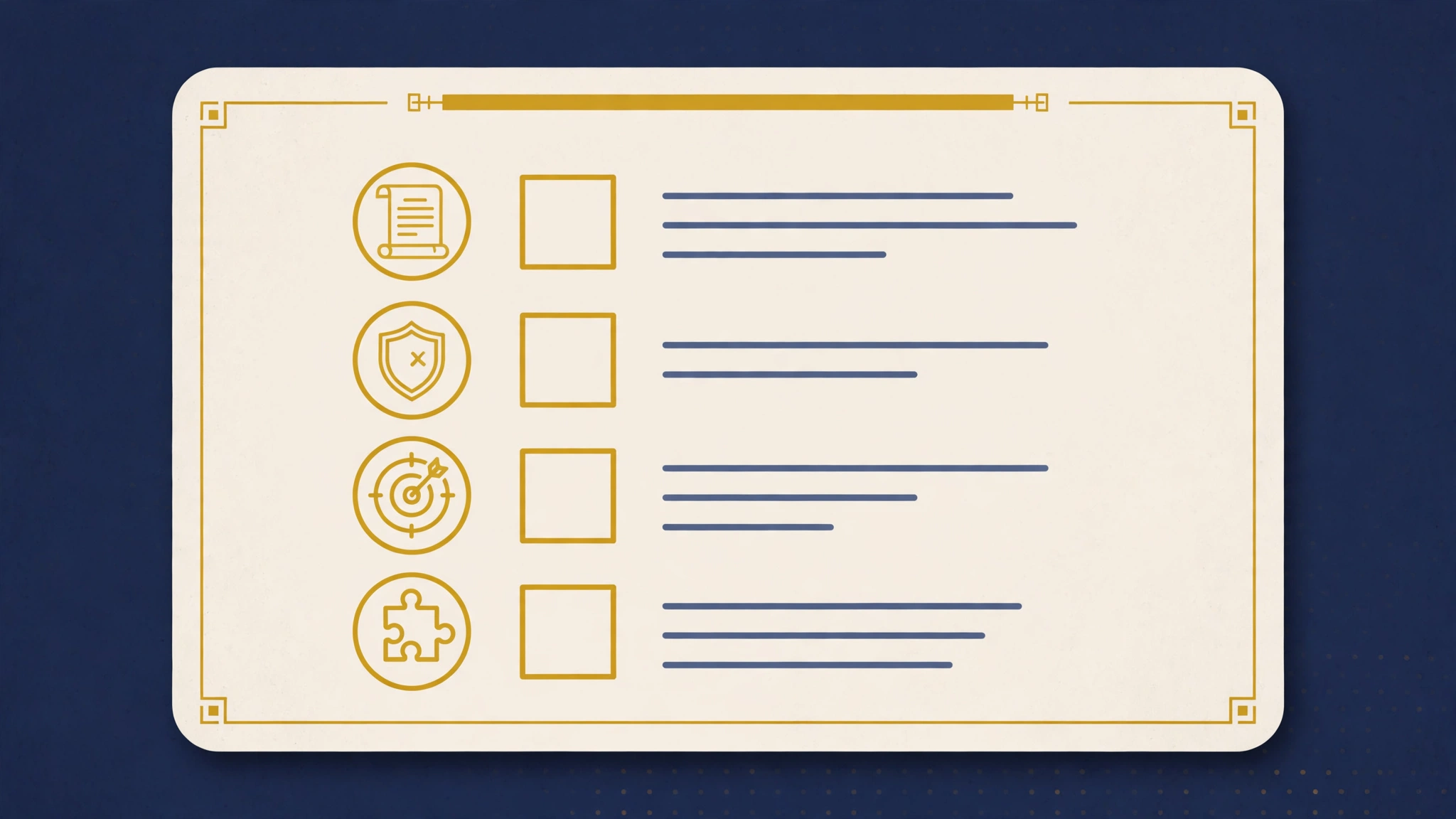
Use this checklist when choosing a trauma counselor:
- Confirm license and good standing with the relevant licensing body.
- Ask which trauma-focused method the counselor uses and what training supports that method.
- Ask how sessions are structured, how progress is tracked, and how long a course usually runs.
- Ask about format, in person or online, and about fees, insurance, and cancellation rules.
- Ask how the counselor handles safety, crisis support, and referrals to medical care.
- Notice fit: clear communication, respect for pace, and room to decline a topic.
Warning signs include pressure to retell details in a first session, promises of a cure, no license or training details, or no safety plan. Low-cost options can include community clinics, training clinics, employee assistance programs, and nonprofit services. Guides from Voice of Wave cover health topics for general readers, and a counselor search still needs direct checks of license and training. A reader who faces immediate danger should contact local emergency services, and a reader who feels unsafe should seek urgent help rather than wait for a routine session.

What Results Can Trauma Counseling Support, and What Are Its Limits?
Trauma counseling can support lower symptom distress, less avoidance, better sleep, steadier emotion regulation, and stronger daily functioning, and trauma counseling cannot erase a memory, guarantee a cure, or replace medical care when medical care is needed, and trauma counseling results depend on method, fit, attendance, and practice between sessions. Trauma counseling results vary by problem, method, counselor fit, and practice between sessions. Trauma counseling often helps most when a client attends regularly, completes practice tasks, and keeps safety and sleep routines stable.
Recovery timelines vary, and no single timeline fits every person. An analysis of WHO World Mental Health Surveys by Rosellini and colleagues (2018), using data from 1,575 people with lifetime PTSD, found about 20 percent had recovered within 3 months, 50 percent within 2 years, and 77 percent within 10 years. Source: World Health Organization World Mental Health Surveys, analysed by Rosellini and colleagues (2018). Those figures describe natural recovery patterns in survey data, not a promise for any one person.
Limits of trauma counseling include access, cost, and fit. Trauma counseling alone may not be enough when depression, substance use, or physical illness need separate care. Medication can help some people with PTSD, and medication decisions belong to a doctor or psychiatrist. This article is general education only, not medical advice, and a reader in crisis should seek urgent help at once.
Conclusion
Trauma counseling supports healing through safety, skills, paced processing, and maintenance, and trauma counseling works best with a licensed counselor, a named method, and a plan that respects the client pace, and trauma counseling gives a client tools for triggers, sleep, relationships, and daily life after sessions end. Trauma counseling covers single, repeated, childhood, and work-related events, and trauma counseling uses trauma-focused CBT, EMDR, prolonged exposure, CPT, and somatic and group methods. A reader who recognizes trauma symptoms can use the checklist in this guide to ask clear questions and seek a licensed professional for diagnosis or treatment.
Explore more articles on the blog
Frequently Asked Questions
What is trauma counseling?
Trauma counseling is a form of psychotherapy that helps a person process a distressing event, reduce trauma-related symptoms, and build coping skills for daily life. Trauma counseling uses named trauma-focused methods, phased pacing, and safety planning, and trauma counseling is planned work with a trained counselor.
How is trauma counseling different from general talk therapy?
Trauma counseling differs from general talk therapy because trauma counseling targets trauma reactions with a named trauma-focused method and phased pacing. General talk therapy covers a wider range of life problems with open-ended discussion, while trauma counseling centers on trauma symptoms, memories, beliefs, and body responses.
What happens in a first trauma counseling session?
A first trauma counseling session covers introductions, presenting problems, relevant history, current safety, goals, and the proposed method. A first session does not require detailed retelling of the event, and a client can decline any question, ask to slow down, or stop a topic at any point.
How long does trauma counseling take?
Trauma counseling length varies by method, problem, and progress, and a counselor should state the expected course at the start. Some courses run for weeks, and some run for months, with regular sessions and practice between sessions. Progress depends on attendance, practice, symptoms, and fit with the counselor.
Does trauma counseling work for PTSD?
Trauma counseling can support people with PTSD through trauma-focused methods such as trauma-focused CBT, EMDR, prolonged exposure, and CPT. Results vary by person, method, and counselor fit, and a licensed professional should assess PTSD symptoms and set a treatment plan for each person.
How do I choose a trauma counselor?
To choose a trauma counselor, check license, trauma training, method, format, cost, and personal fit. Ask which trauma-focused method the counselor uses, how progress is tracked, and how safety and crisis support are handled. Seek a different counselor when a first session feels unsafe, pressured, or dismissive.