
Introduction
Chimney cleaning is the removal of soot, creosote, ash, and debris from a chimney flue so smoke and combustion gases vent safely out of a home. Chimney cleaning matters because creosote is flammable, blockages push smoke and carbon monoxide back indoors, and a dirty flue cuts draft and heat output.
This Voice of Wave guide covers what chimney cleaning is, how often to clean a chimney, the 3 stages of creosote, warning signs, cleaning versus inspection, DIY steps, professional versus DIY choice, 2026 costs, and year-round maintenance. Chimney cleaning suits wood fireplaces, wood stoves, pellet stoves, gas fireplaces, and oil furnace flues, with different rules for each fuel type. The main parts are the flue, liner, firebox, damper, smoke chamber, cap, crown, and flashing. The guide also names the safety stops that end a DIY job and the hiring checks that keep a professional visit honest.
- Chimney cleaning removes soot, creosote, ash, and debris from the flue so smoke and gases vent safely.
- Inspect a chimney once a year and sweep when creosote reaches 1/8 inch or an inspection finds deposits or blockage (Source: Angi, 2026).
- Creosote has 3 stages, and glazed Stage 3 creosote needs professional removal, not a standard brush.
- Smoke backup, strong odor, poor draft, and soot falling into the firebox are signs to stop using the fireplace and book a visit.
- Standard chimney cleaning costs run from $130 to $380 in the range reported by Angi (2026), with location, height, and buildup changing the final price.
What Is Chimney Cleaning?
Chimney cleaning is the work of brushing and vacuuming a chimney flue, smoke chamber, and firebox to remove soot, creosote, ash, leaves, and nesting material, followed by checks for blockage, liner damage, and damper function. Chimney cleaning restores draft, cuts fire risk, and leaves the flue clear for the next fire.
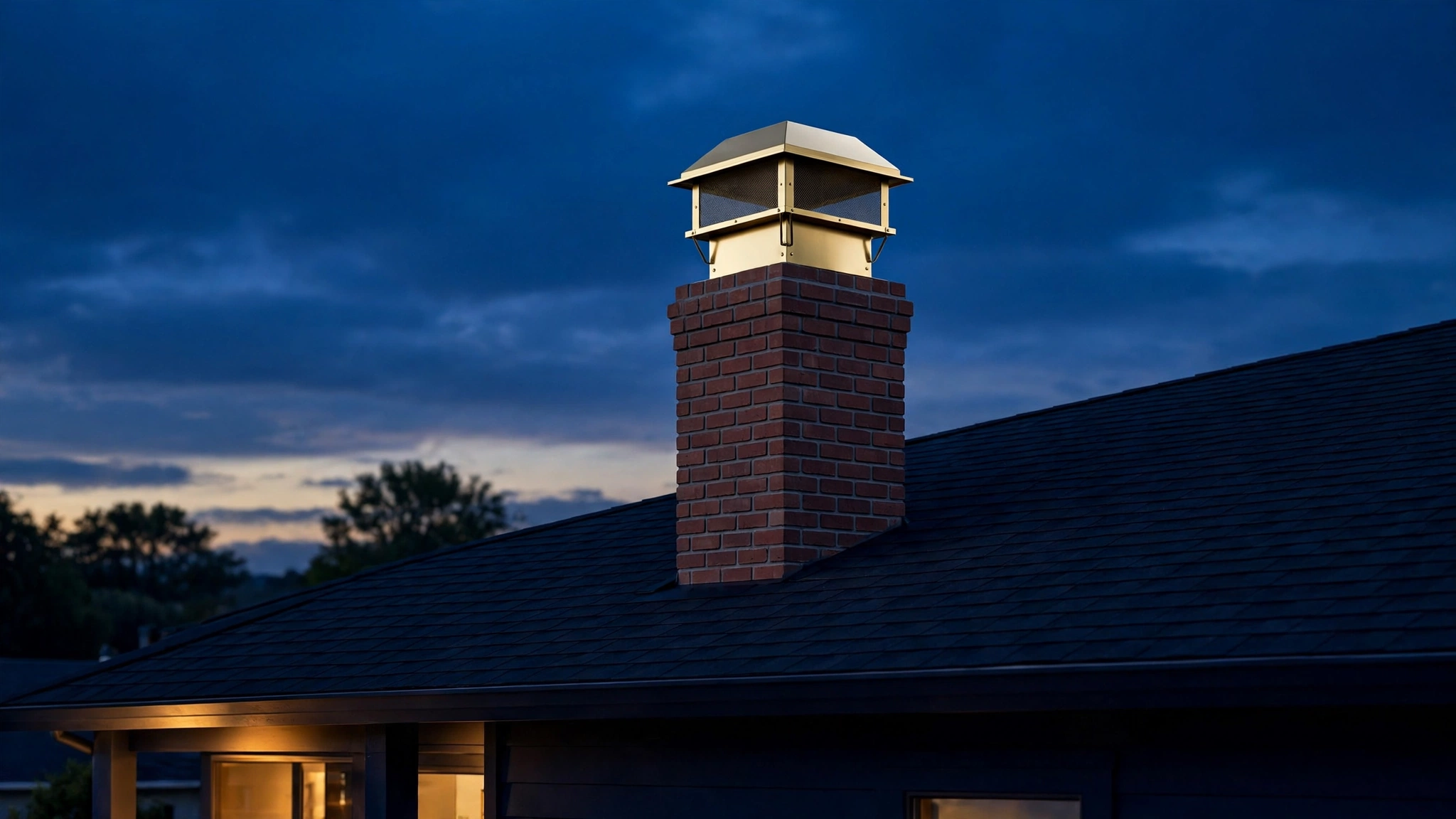
A chimney is a vertical ventilation structure that carries hot exhaust gases from a fireplace, stove, or furnace out of a home, and the space inside the chimney is called the flue. The flue liner protects masonry from heat and acids, the damper seals the flue when the fireplace is idle, the cap keeps rain and animals out, and the crown sheds water from the chimney top. A clean flue vents gases up and out, while a blocked flue sends gases back into the room.
Browse the Home Improvement guides for more home safety projects. Wood burning leaves the most deposits, gas leaves the least, and oil leaves soot that still needs checks. The chimney parts and draft overview on Wikipedia explains how flue height and stack effect create draft. Draft is the upward pull that moves smoke out, and draft fails when the flue is blocked, cold, oversized, or short.
How Often Should You Clean a Chimney?
Clean a chimney once a year for regular wood use, and clean a chimney sooner when creosote reaches 1/8 inch thick, when fires burn most winter evenings, or when an inspection finds deposits or blockage. Chimney cleaning frequency follows use, fuel, and burn habits, not the calendar alone.
The National Fire Protection Association (NFPA) standard calls for inspection at least once a year, with cleaning when the inspection finds deposits or an obstruction (Source: Angi, 2026). A fireplace lit a few times each season still needs the yearly inspection, since nests, leaves, and moisture damage form with no fire at all. A fireplace lit most winter evenings needs a yearly sweep in most cases. A wood stove used as a main heat source needs a mid-season check in many homes.
| Use level | Inspection | Sweep |
|---|---|---|
| Few fires each season, seasoned hardwood | Once a year | When inspection finds deposits |
| Weekly fires through winter | Once a year, before the season | Once a year in most cases |
| Most evenings through winter | Once a year, before the season | Once a year, plus a mid-season check when buildup is fast |
| Daily use as main heat | Twice a year | Twice a year in many cases |
| Gas fireplace or gas log set | Once a year | Only when debris or vent faults are found |
| Unused chimney | Once a year | Only when debris, nests, or damage are found |
Fuel choice changes the pace. Dry, seasoned hardwood burns hotter and leaves less creosote than wet wood or softwood burned cool. Wet wood, smoldering overnight fires, and a flue that never gets hot all build creosote faster. The 1/8 inch rule is the trigger: measure buildup, count fires, and book the sweep when either limit is hit.
What Are the 3 Stages of Creosote?
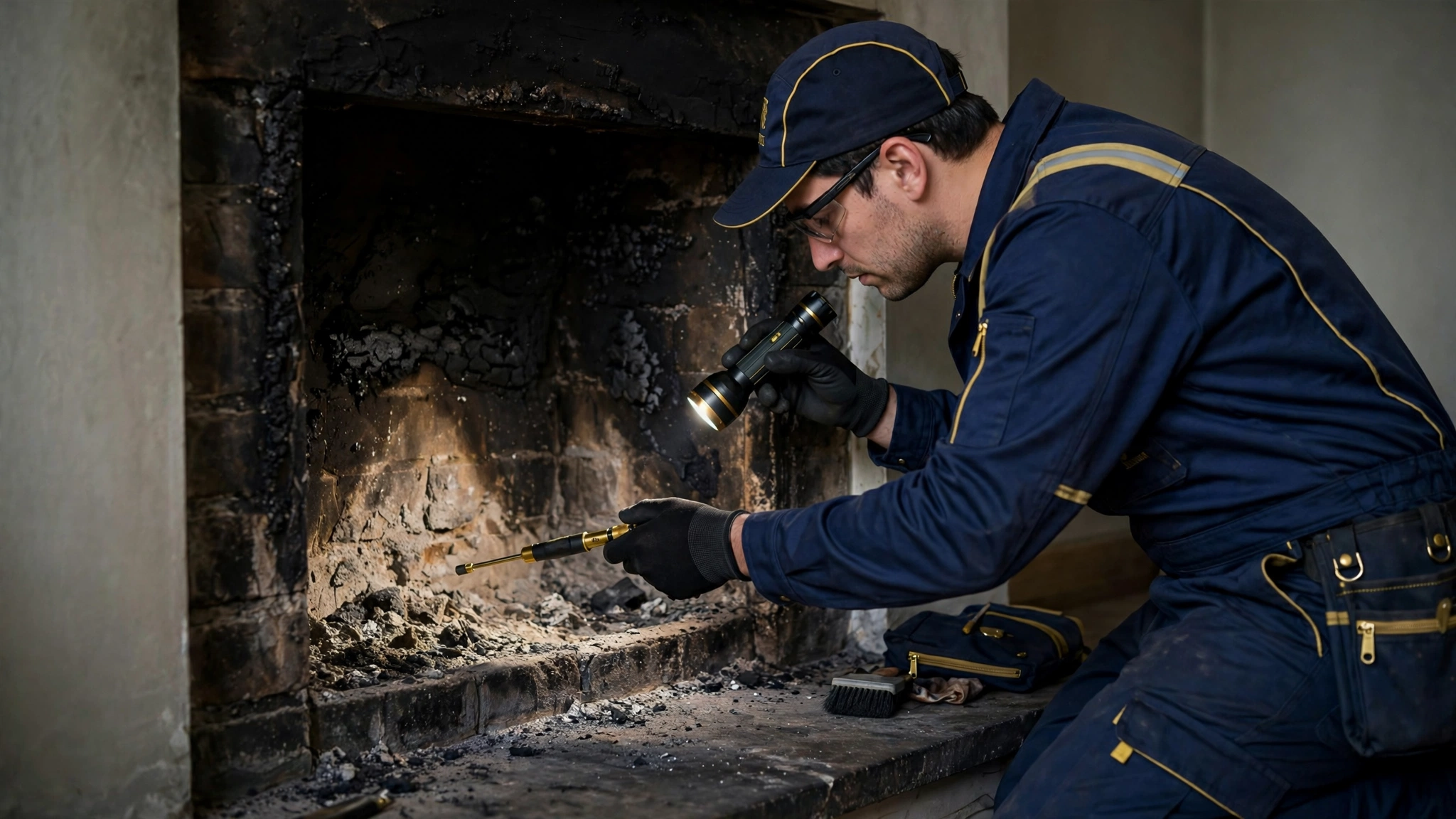
Creosote has 3 stages: Stage 1 is flaky and dusty, Stage 2 is sticky and tar-like, and Stage 3 is hard, shiny, and glazed. Chimney cleaning removes Stage 1 with a standard brush, Stage 2 with stiffer brushing and professional tools, and Stage 3 only with professional chemical or rotary treatment.
Creosote forms when wood smoke cools in the flue and tar condenses on flue walls. Stage 1 looks like loose soot or light flakes and comes off with a wire or poly brush. Stage 2 looks like dark, sticky tar that clings to the wall and needs stronger brushing. Stage 3 looks like a hard, shiny glaze that a standard brush will not clear, and Stage 3 is the most flammable form. The creosote chemistry page on Wikipedia describes creosote as tar-derived material found inside chimney flues where wood burns under varied conditions. Never light a fire in a fireplace with known Stage 3 glaze until a professional has treated it.
| Stage | Look and feel | Removal method |
|---|---|---|
| Stage 1 | Flaky, dusty, light gray to black | Standard brush and vacuum |
| Stage 2 | Sticky, tar-like, dark | Stiff brush, rotary tools, professional visit |
| Stage 3 | Hard, shiny, glazed, rock-like | Professional chemical or rotary treatment only, never a DIY brush alone |
Burn habits decide the stage. Hot fires with dry wood and full airflow stay near Stage 1 longer. Cool, smoky fires with wet wood push deposits toward Stage 2 and Stage 3 faster. A chimney fire can reach temperatures high enough to crack liners and spread into walls, so stage checks matter more than soot color alone.
What Are the Warning Signs That a Chimney Needs Cleaning?
Warning signs that a chimney needs cleaning are smoke backing into the room, a strong smoky or tar-like odor when the fireplace is idle, fires that will not start or stay lit, and soot falling into the firebox. Chimney cleaning is due at once when any of these signs appear.
Smoke backup means draft has failed or the flue is blocked. Odor on humid days often means creosote and moisture sit in the flue. Poor draft shows as a fire that smolders, fills the room with smoke, or dies when the damper is open. Soot chunks in the firebox mean deposits are shedding from flue walls. Animal sounds, nesting material, or debris in the firebox mean a blockage needs removal before the next fire.
| Warning sign | Likely cause | Action |
|---|---|---|
| Smoke enters the room | Blockage, cold flue, closed damper, poor draft | Stop, check the damper, book an inspection |
| Strong odor when idle | Creosote, moisture, dead animal, downdraft | Book a sweep and cap check |
| Fire will not stay lit | Poor draft, wet wood, blocked flue | Use dry wood, check airflow, book a visit when the fault stays |
| Soot falls into the firebox | Heavy deposits shedding | Book a sweep before the next fire |
| White stains outside the chimney | Moisture moving through masonry | Book a masonry and flashing check |
| Rust on the damper or firebox | Moisture entry, failed cap or crown | Book a cap, crown, and flashing check |
| Sparks or embers from the top | Heavy buildup, missing spark screen | Stop use, book a sweep and cap check |
Carbon monoxide risk makes delay costly. A blocked flue can push odorless carbon monoxide into living space, so working carbon monoxide detectors near sleeping areas and the fireplace room are part of chimney safety. A warning sign ends the waiting period: stop use, ventilate the room, and book the visit.
Chimney Cleaning vs Inspection: What Is the Difference?
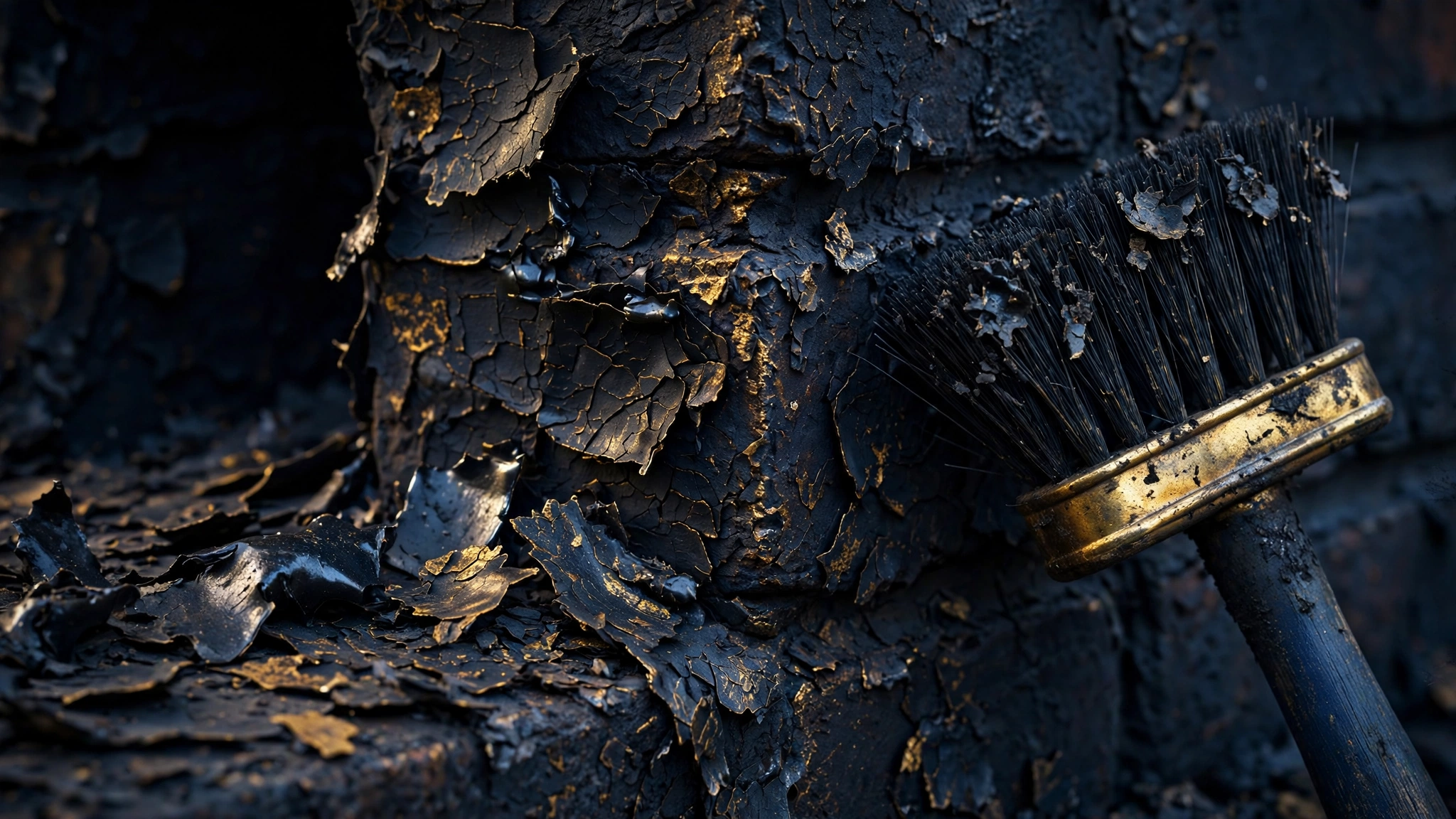
Chimney cleaning removes deposits and debris from the flue, while chimney inspection examines the flue, liner, firebox, damper, cap, crown, and masonry and reports faults. Chimney cleaning and chimney inspection serve different jobs, and a yearly visit should include both when deposits or faults are found.
Inspection levels set the depth of the check. Level 1 covers reachable parts of the chimney and fireplace with no tools beyond a light and mirror. Level 2 adds a camera scan of the flue interior and applies after a chimney fire, a change of appliance, a property sale, or a suspected fault. Level 3 opens walls or masonry when a serious fault is hidden and a Level 2 check cannot reach it. A sweep without an inspection leaves cracks, gaps, and blockages unreported, and an inspection without a sweep leaves deposits in place.
| Service | What it does | When to book it |
|---|---|---|
| Chimney cleaning | Brushes and vacuums soot, creosote, ash, and debris from the flue | Yearly for regular wood use, or when deposits hit 1/8 inch |
| Level 1 inspection | Checks reachable chimney parts, firebox, damper, and cap | Once a year, every year |
| Level 2 inspection | Adds a camera scan of the full flue interior | After a chimney fire, appliance change, sale, or suspected fault |
| Level 3 inspection | Opens hidden parts when a serious fault needs access | Only when Level 2 finds a fault that needs hidden access |
| Chimney repair | Fixes liner cracks, crown cracks, flashing, caps, and masonry | When an inspection report names a fault |
Ask for a written report after every visit, with photos or video when a camera scan was used. A report should name the inspection level, deposit stage, blockage findings, liner condition, and repair items in plain words. Keep reports in one folder, since a sale or insurance claim may ask for the chimney history.
How Do You Clean a Chimney Step by Step?
To clean a chimney, prepare the room, seal the firebox, brush the flue from top or bottom, vacuum loose deposits, clean the smoke chamber and firebox, and check draft before the next fire. Chimney cleaning follows the same order each time, and any step that needs roof work or glazed creosote removal stops the DIY job.
- Wait until the fireplace is fully cold, then lay drop cloths and seal the firebox opening with plastic sheeting.
- Put on eye protection, a dust mask, gloves, and old clothes, and keep a vacuum with a fine dust filter at hand.
- Open the damper fully and remove loose ash and debris from the firebox.
- Choose a brush that matches the flue size and shape, and fit it to rods long enough to reach the full flue.
- Brush the flue in short strokes from the fireplace upward, or from the roof downward when roof access is safe, adding rods as the brush rises.
- Vacuum the firebox, smoke shelf, and damper area after brushing, then brush the smoke chamber walls.
- Check the cap, spark screen, and damper for damage, nests, and rust while deposits are clear.
- Light a small test fire only after the flue is clear, the damper opens fully, and smoke draws upward at once.
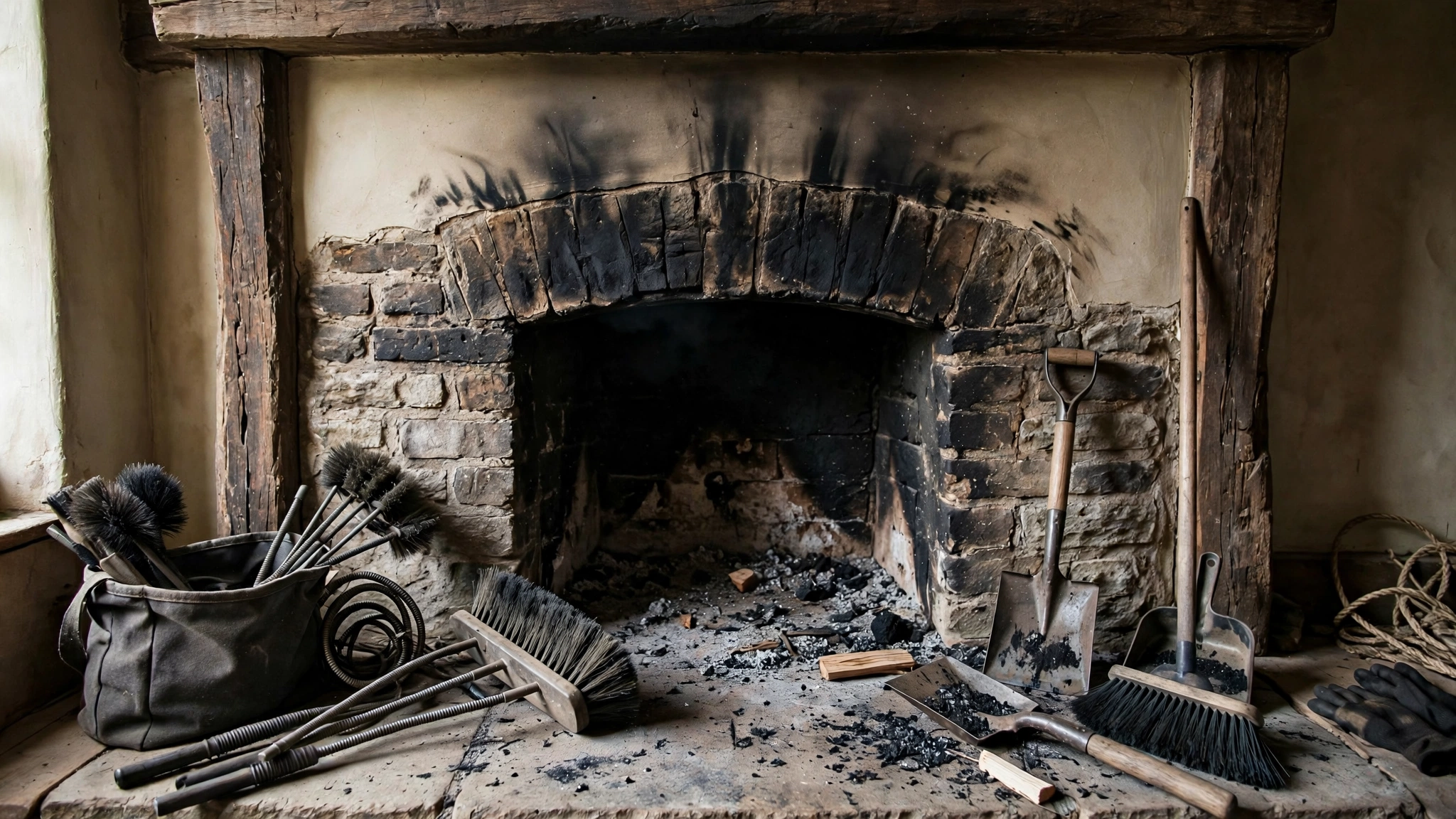
DIY tools include a chimney brush sized to the flue, flexible rods, a shop vacuum, drop cloths, a flashlight, and a mirror for a basic flue view. Metal brushes suit masonry flues, poly brushes suit metal liners, and the wrong brush can scratch a metal liner. Creosote sweeping logs cut new buildup in some tests but do not replace brushing, so a log is a supplement, never a substitute. On my own first DIY sweep, sealing the firebox opening with sheeting kept soot out of the living room, while an unsealed corner in an earlier attempt left a fine dust film on nearby furniture. Seal the room first, since soot control is the step most DIY cleaners skip.
For smoke and carbon monoxide alerts that back up chimney care, read Home Security Systems: Cost, Types and Buying Guide.
Should You Hire a Professional or Clean a Chimney Yourself?
Hire a professional for glazed creosote, roof work, camera inspection, liner faults, chimney fires, and any blockage you cannot see or reach, and choose DIY chimney cleaning only for light Stage 1 deposits in a reachable flue with safe ground-level access. Chimney cleaning choice follows risk, not cost alone, since a missed fault costs more than a visit fee.
DIY suits a single-storey home with a straight flue, light deposits, and no roof climb. Professional service suits tall chimneys, steep roofs, metal liners, pellet stoves with complex vents, and any home where the last visit found Stage 2 or Stage 3 deposits. A professional visit also covers the inspection report, cap and crown checks, and camera scan that a DIY brush cannot give.
| Factor | DIY chimney cleaning | Professional chimney cleaning |
|---|---|---|
| Best fit | Light Stage 1 deposits, straight flue, safe access | Glazed deposits, tall or steep roofs, liner faults, camera needs |
| Tools needed | Brush, rods, vacuum, sheeting, safety gear | Crew tools, camera, rotary gear, chemical treatment |
| Inspection depth | Basic visual check only | Level 1 or Level 2 report with photos or video |
| Main risk | Missed glaze, liner scratch, soot spread, roof fall | Higher upfront fee, scheduling wait in peak season |
| Time needed | 1 to 2 hours for a simple flue | About 45 minutes to 1 hour for a standard visit (Source: Chimney Clean Co, 2026) |
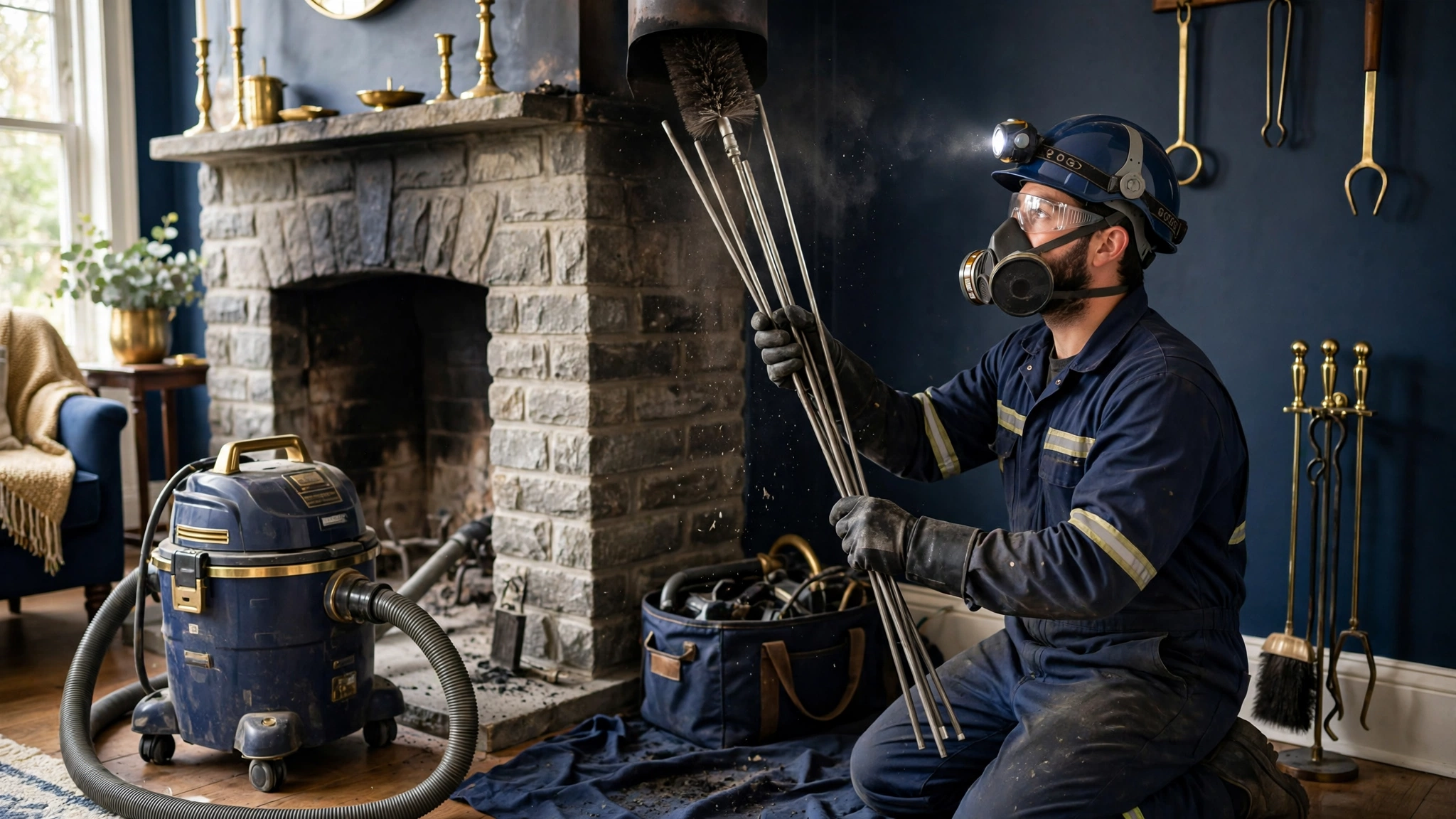
Check 4 items before hiring: certification or trade membership, the inspection level included in the price, a written report with findings, and a price list for extra work such as glaze treatment, cap replacement, and repairs. Ask whether the quote covers the sweep, inspection, vacuum cleanup, and disposal of deposits. Voice of Wave publishes practical home guides that help readers compare quotes line by line. A quote that names the inspection level and the deposit stage is worth more than a low quote that names neither.
How Much Does Chimney Cleaning Cost in 2026?
Chimney cleaning costs $130 to $380 for a standard visit in the range reported by Angi (2026), with most standard sweeps reported at $150 to $300 by other 2026 guides. Chimney cleaning cost changes with chimney height, roof access, deposit stage, extra flues, and repair findings.
A Level 1 inspection alone costs $75 to $125 in the range reported by IamHome (2026), and a standard sweep costs $150 to $300 in the same range. A separate guide reports an average chimney sweep cost near $300, with a typical range of $150 to $350 (Source: Chimney Clean Co, 2026). The gap between sources shows why 3 written quotes beat a single online range. Heavy glaze treatment, animal removal, cap replacement, and liner repair sit outside a standard sweep price.
| Service | Reported cost range | Source |
|---|---|---|
| Standard chimney cleaning | $130 to $380 | Angi, 2026 |
| Standard sweep | $150 to $300 | IamHome, 2026 |
| Level 1 inspection | $75 to $125 | IamHome, 2026 |
| Average sweep, typical range | About $300, range $150 to $350 | Chimney Clean Co, 2026 |
Cost rises with a tall chimney, steep roof, second flue, heavy buildup, years without a sweep, and animal nest removal. Cost falls when access is easy, deposits are light, and the visit is booked in spring or summer outside peak season. Get the inspection level, deposit stage, cleanup, and extra-work rates in writing before work starts. Book in spring or summer when possible, since fall demand raises wait times and prices in many areas.
How Do You Maintain a Chimney Through the Year?
To maintain a chimney through the year, book the yearly inspection and sweep in spring or summer, check the cap and crown after storms, burn only dry seasoned wood, keep the damper closed when idle, and test smoke and carbon monoxide detectors each month. Chimney cleaning is one job inside a year-round routine, not a single autumn visit.
Spring is the best season for the main visit: deposits are fresh in memory, crews have open slots, and repairs can finish before autumn. Summer suits masonry, crown, and flashing repairs in dry weather. Autumn needs a pre-season draft check, a damper test, and a wood store check for dry, seasoned logs. Winter needs burn checks: hot fires, full airflow, no wet wood, and no overnight smoldering.
| Season | Chimney maintenance jobs |
|---|---|
| Spring | Book inspection and sweep, clear winter deposits, check cap, crown, and flashing |
| Summer | Finish masonry, crown, and flashing repairs, fit a new cap or spark screen when needed |
| Autumn | Test damper and draft, stock dry seasoned wood, test detectors, clear the firebox |
| Winter | Burn hot fires with dry wood, watch draft and odor, stop use at any warning sign |
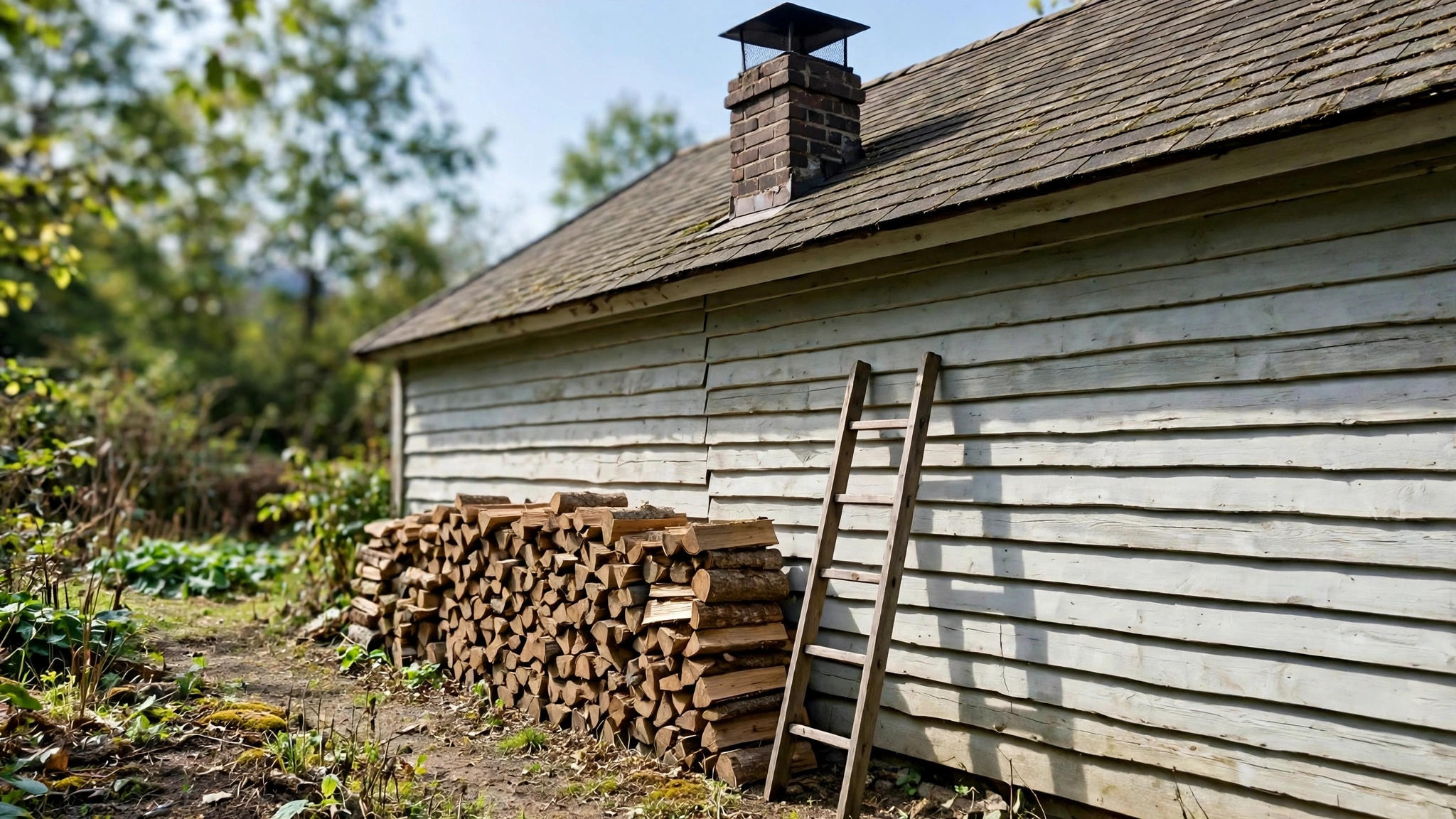
Wood storage matters as much as sweeping. Store wood off the ground, covered on top, open at the sides, and split at least 6 months before burning. Wet wood hisses, smokes heavily, and leaves dark, sticky deposits. Keep furniture, rugs, and firewood at least 3 feet from the fireplace opening. Dry wood, hot fires, and a closed damper when idle cut creosote faster than any cleaning log.
Conclusion
Chimney cleaning keeps a fireplace safe when inspection comes once a year, sweeping follows the 1/8 inch trigger, glazed creosote gets professional treatment, and cap, crown, and damper checks run through every season. Chimney cleaning cost sits near $130 to $380 for a standard visit (Source: Angi, 2026). Wood users need the closest watch, gas users still need the yearly inspection, and unused chimneys still need checks for nests and moisture. Use the tables, the step sequence, and the hiring checklist to plan the next visit before the first cold night.
Continue reading: browse the latest articles for more home guides.
Frequently Asked Questions
How often should you clean a chimney?
Clean a chimney once a year for regular wood use, and sooner when creosote reaches 1/8 inch or an inspection finds deposits or blockage. Gas fireplaces still need a yearly inspection, even when a sweep is not needed. Unused chimneys need a yearly check for nests, debris, and moisture damage.
What is creosote and why is it dangerous?
Creosote is a flammable tar that forms when wood smoke cools and condenses on flue walls. Creosote builds in 3 stages, from flaky Stage 1 to hard, glazed Stage 3. Glazed creosote can ignite from a normal fire and start a chimney fire, so Stage 3 needs professional removal.
Can you clean a chimney yourself?
Yes, you can clean a chimney yourself when deposits are light Stage 1, the flue is straight and reachable, and roof work is not needed. Stop DIY work for glazed creosote, liner damage, chimney fires, hidden blockages, and steep or tall roofs. A professional visit adds a camera inspection and a written report.
How much does chimney cleaning cost?
Chimney cleaning costs $130 to $380 for a standard visit in the range reported by Angi (2026). A Level 1 inspection alone costs $75 to $125, and a standard sweep costs $150 to $300 in the range reported by IamHome (2026). Height, access, buildup, and extra flues change the final price.
What is the best time of year to clean a chimney?
Spring and summer are the best times to clean a chimney, since crews have open slots and repairs can finish before autumn. Book before the heating season starts, and avoid waiting until the first cold week. A mid-season check helps homes that burn wood most evenings.
Does a gas fireplace chimney need cleaning?
Yes, a gas fireplace chimney needs a yearly inspection, even when it needs no sweep. Gas burning leaves little creosote, but vents still collect debris, nests, and corrosion. An inspection checks venting, damper function, and carbon monoxide safety before the heating season.