
Last updated: October 2026
Written by Emily Roberts for Voice of Wave.
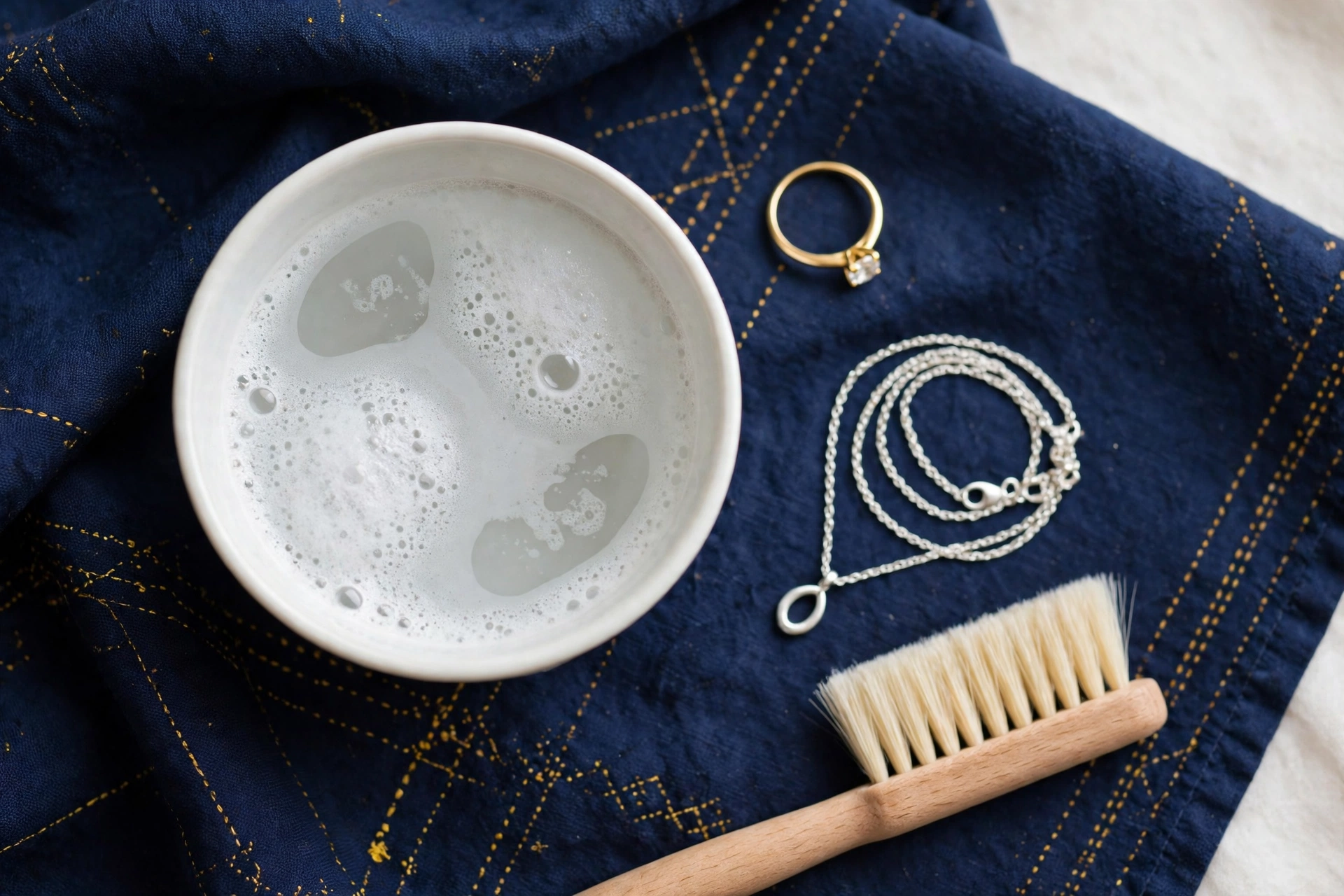
Clean jewelry at home safely by matching the method to the metal and the stone: warm water with a few drops of dish soap, a soft toothbrush, and a lint-free cloth handle most gold, platinum, and diamond pieces, while silver tarnish lifts with a polishing cloth or an aluminum-foil bath, and pearls and opals need only a damp cloth. Home cleaning removes the film of skin oils, lotions, and dust that dulls metal and blocks light from stones. This guide covers the safest all-purpose method, step-by-step care for diamond rings, how to remove silver tarnish, which stones need gentle treatment, methods to avoid, when a professional jeweler is the better choice, and storage habits that slow future buildup.
Key Takeaways
- Warm soapy water is the safest all-purpose jewelry cleaner for gold, platinum, and diamond jewelry; soak 15 to 20 minutes, brush gently, rinse, and pat dry.
- Silver tarnish is a sulfur reaction, not dirt, so it needs a polishing cloth or an aluminum-foil bath, not harder scrubbing.
- Pearls, opals, emeralds, and turquoise need only a damp cloth; acids, heat, and ultrasonic cleaners can damage them.
- Never use bleach, toothpaste, or boiling water on fine jewelry; they weaken alloys, scratch metal, and can crack stones.
- Schedule professional cleaning about every six months for frequently worn pieces so a jeweler can check prongs and settings.
- Store each piece separately in a dry, soft-lined box or pouch to reduce scratches and slow tarnish.
Table of Contents
- What is the safest way to clean jewelry at home?
- How do you clean a diamond ring at home?
- How do you remove tarnish from silver jewelry at home?
- Which stones need gentle care: pearls, opals, and emeralds?
- What should you never use to clean jewelry?
- DIY cleaning vs professional cleaning: which does your jewelry need?
- How should you store jewelry to keep it clean longer?
- FAQ
- Conclusion
What is the safest way to clean jewelry at home?
The safest way to clean jewelry at home is a 15 to 20 minute soak in warm water with a few drops of mild dish soap, followed by a gentle brush with a soft toothbrush, a rinse in clean water, and drying with a lint-free cloth. This method removes skin oils, lotions, and dust without harming gold, platinum, diamonds, sapphires, or rubies. Blue Nile recommends this soap-soak routine as the safest homemade option for most fine jewelry (Source: Blue Nile (2026)).
The all-purpose soap soak, step by step
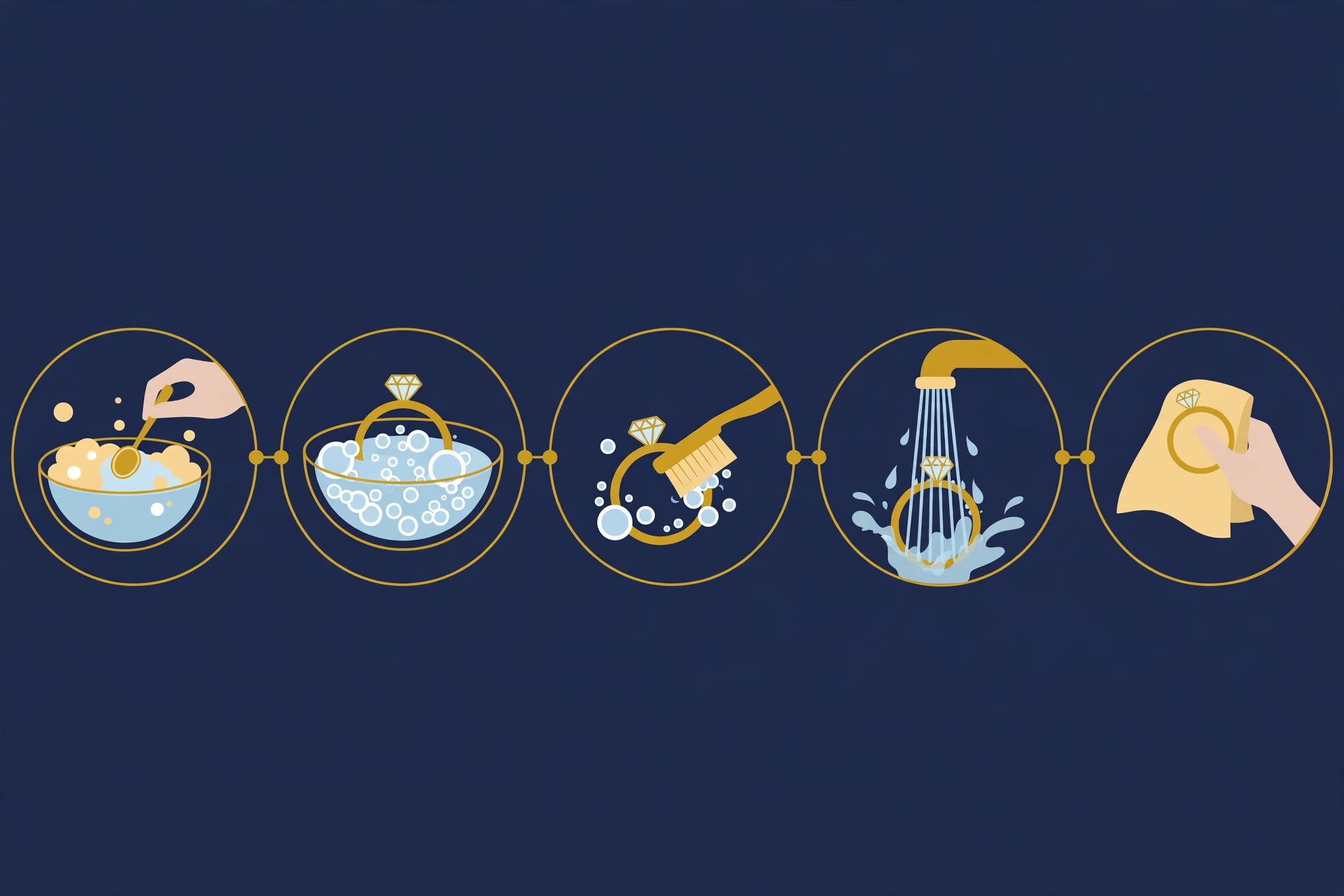
- Fill a small bowl with warm water (not hot) and add 3 to 4 drops of mild dish soap.
- Place the jewelry in the bowl and soak it for 15 to 20 minutes.
- Lift one piece at a time and brush gently with a soft-bristle toothbrush, especially behind settings where dirt collects.
- Rinse each piece under clean warm water, or in a second bowl of water to avoid the drain.
- Pat dry with a lint-free or microfiber cloth, then let the piece air-dry fully before storing.
Two details make this method safer. First, always work over a plugged sink or a bowl; a dropped ring is hard to recover from an open drain. Second, brush the underside of each setting, because dirt on the back of a stone blocks light and dulls sparkle faster than dirt on the front.
A clean ring or necklace shows best against a well put together outfit, so once your pieces shine again, browse the Fashion category for styling ideas that pair with your favorite jewelry.
How do you clean a diamond ring at home?
You clean a diamond ring at home by soaking it in warm water with mild dish soap for 15 to 20 minutes, brushing the setting gently with a soft toothbrush, rinsing it well, and drying it with a lint-free cloth. The same soap-soak method used for general jewelry works for diamonds because diamonds are hard and tolerate mild soap and soft brushing. Clean an engagement ring about once a week; weekly cleaning removes the oil film that dulls a diamond’s sparkle.
Before each cleaning, check the setting. Gently press the stone from the side and look at the prongs under good light. If the stone moves or a prong looks bent, skip home cleaning and see a jeweler, because brushing a loose stone can push it out. This check takes 30 seconds and prevents the most common home-cleaning loss.
Club soda is a useful second option for diamonds. Soak the ring in club soda for 10 to 15 minutes; the mild carbonation loosens residue around the setting. Avoid club soda on silver jewelry, where it can encourage tarnish.
A practical note from experience: the first time I cleaned a silver necklace at home, I scrubbed it with baking soda paste on a cloth and saw faint hairline scratches in bright light afterward. I never used an abrasive paste on fine metal again, and a polishing cloth does the same job with no risk.
How do you remove tarnish from silver jewelry at home?
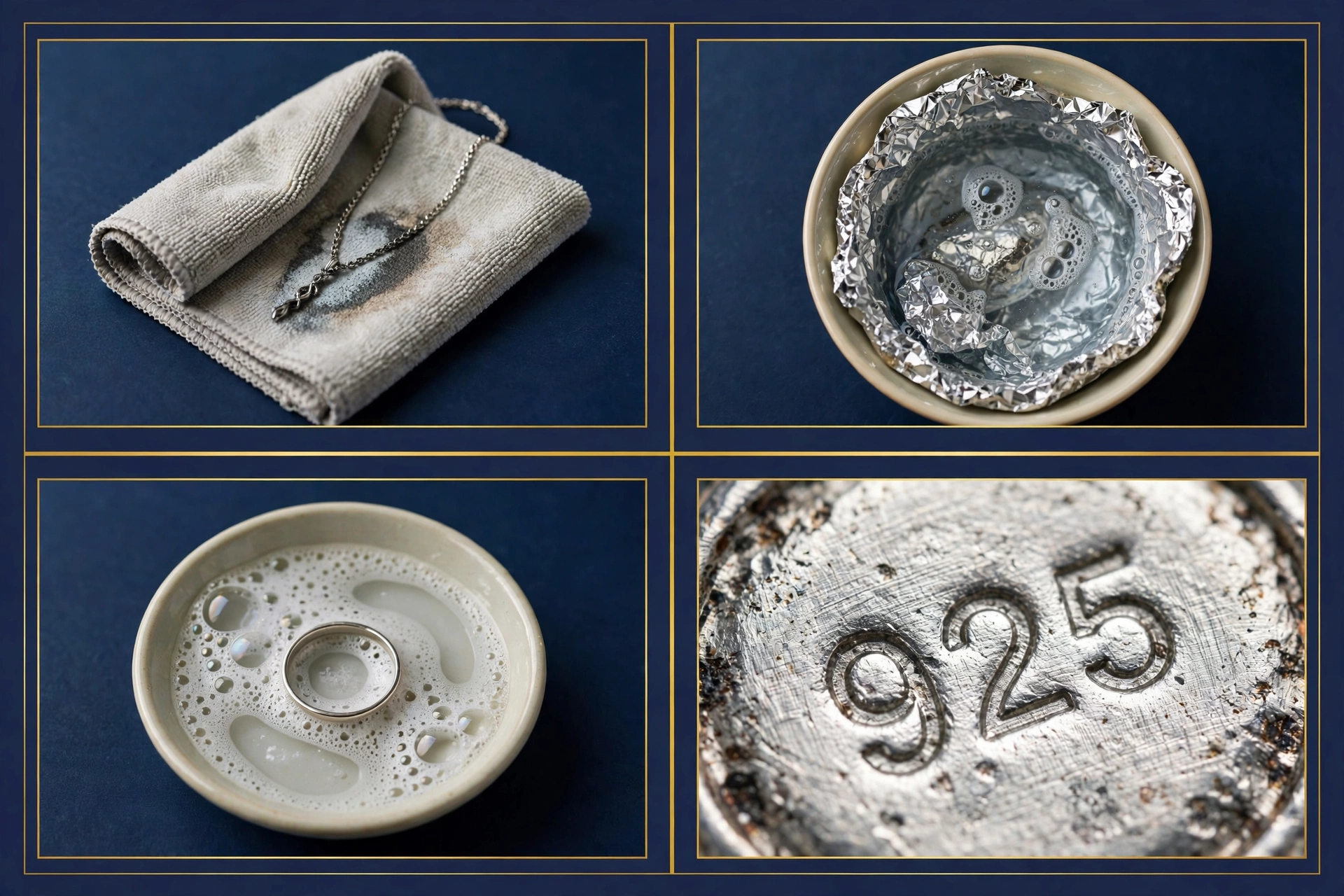
You remove tarnish from silver jewelry at home by wiping light tarnish with a treated silver polishing cloth, or by lifting heavier tarnish with an aluminum-foil bath: line a bowl with foil shiny side up, add hot water and baking soda, rest the jewelry on the foil for 5 to 10 minutes, then rinse and dry. Tarnish is a thin sulfur layer on the metal surface, not dirt, so the fix is reversing the reaction; how tarnish forms on silver and other metals explains the hydrogen sulfide chemistry behind the black film.
Sterling silver is an alloy of 92.5 percent silver and 7.5 percent other metals, usually copper (Source: Wikipedia (2026)), and the 92.5 percent sterling silver standard is also the legal bar in the United States: under Federal Trade Commission guidance it is deceptive to label a piece sterling unless it contains at least 92.5 percent silver (Source: Bromberg’s (2026)). Look for a “925” or “sterling” stamp to confirm a piece is solid sterling before using any tarnish method.
Which tarnish method fits your piece?
| Method | Best for | Avoid on |
|---|---|---|
| Silver polishing cloth | Light tarnish, quick shine-ups, regular upkeep | Heavy blackened tarnish (too slow) |
| Aluminum-foil bath | Heavier tarnish on plain solid sterling, no scrubbing | Stone-set pieces, pearls, plated or vermeil jewelry |
| Warm soapy water | Everyday oil and film on any silver | Heavy tarnish alone (will not reverse the sulfur layer) |
Use the foil bath only on plain solid sterling with no stones: line a bowl with aluminum foil, place the jewelry so it touches the foil, sprinkle baking soda over it, pour in hot water, and wait 5 to 10 minutes while the tarnish transfers to the foil (Source: Blue Nile (2026)). Rinse with warm water and pat dry with a lint-free cloth. Never use the foil bath or any silver dip on plated or vermeil pieces; the gold layer sits on top of the silver base, and chemical methods strip the gold off first.
For more everyday style ideas that pair with polished silver, read our guide to light-colored outfits for a fresh modern wardrobe.
Which stones need gentle care: pearls, opals, and emeralds?
Pearls, opals, emeralds, and turquoise need only a wipe with a clean, damp microfiber cloth; they must never soak in soap, acids, or hot water, and they must never go in an ultrasonic cleaner. These stones are porous or soft, so they absorb liquids and scratch easily. A damp cloth removes surface oils without forcing moisture into the stone.
Pearls are the most delicate: the pearl coating dissolves in vinegar, lemon juice, and alcohol, so keep pearls away from perfume and hairspray and wipe them after every wear. Opals can crack with sudden heat or drying, so skip boiling water and heat entirely. Emeralds often contain tiny natural fractures filled with oil during cutting; heat and ultrasonic vibrations can disturb that filling.
When in doubt, ask a jeweler before using any special cleaner on a piece with stones. At Voice of Wave, our care guides follow this same rule: gentler methods first, stronger ones only when the material allows it.
What should you never use to clean jewelry?
You should never use bleach, chlorine, toothpaste, abrasive powders, paper towels, or boiling water on fine jewelry, and you should never put pearls, opals, emeralds, turquoise, or glued settings in an ultrasonic cleaner. Each of these damages jewelry in a specific way, and knowing the reason makes the rule easy to remember.
- Bleach and chlorine weaken gold and silver alloys over time and can discolor them.
- Toothpaste and baking soda paste are abrasive on soft metals; they leave fine scratches that dull polished finishes.
- Paper towels contain wood fibers hard enough to micro-scratch polished gold.
- Boiling water can crack opals and emeralds through sudden heat shock.
- Ultrasonic cleaners shake loose stones in worn or older settings and damage fragile gems; keep them away from pearls, opals, emeralds, and turquoise.
- Vinegar and lemon juice are acids that etch pearls and dissolve porous stones.
Ammonia is a borderline case: Blue Nile notes that a diluted solution of one part ammonia to six parts warm water, used for no more than 10 minutes with gloves, can cut heavy oil on gold and diamonds (Source: Blue Nile (2026)). Keep ammonia away from silver, plated pieces, pearls, opals, and emeralds, and use it sparingly.
DIY cleaning vs professional cleaning: which does your jewelry need?
DIY cleaning handles routine shine, while professional cleaning handles security checks and deep restoration; most people need both. Home methods remove surface film but cannot tighten a prong, and a jeweler’s ultrasonic bath and polish restore pieces that home methods cannot. Blue Nile recommends professional cleanings about every six months (Source: Blue Nile (2026)), while Evoke Marketplace suggests yearly professional cleaning for frequently worn pieces (Source: Evoke Marketplace (2026)).
| Factor | DIY cleaning at home | Professional jeweler cleaning |
|---|---|---|
| Cost | Pennies: dish soap, water, a soft brush | Modest fee, often free with a store plan |
| What it does | Removes oil, lotion, and light tarnish | Deep clean plus prong, clasp, and setting inspection |
| Time | 20 to 30 minutes per session | Drop off and wait, or while you shop |
| Best for | Weekly upkeep of gold, diamond, and silver pieces | Loose stones, heirlooms, antiques, heavy tarnish, worn prongs |
| Risk | Low if you follow stone-specific rules | Lowest for valuable pieces |
Book a jeweler visit when a stone moves in its setting, a clasp slips, a chain link looks thin, or tarnish will not lift with home methods. These are structural problems, not dirt problems.
How should you store jewelry to keep it clean longer?
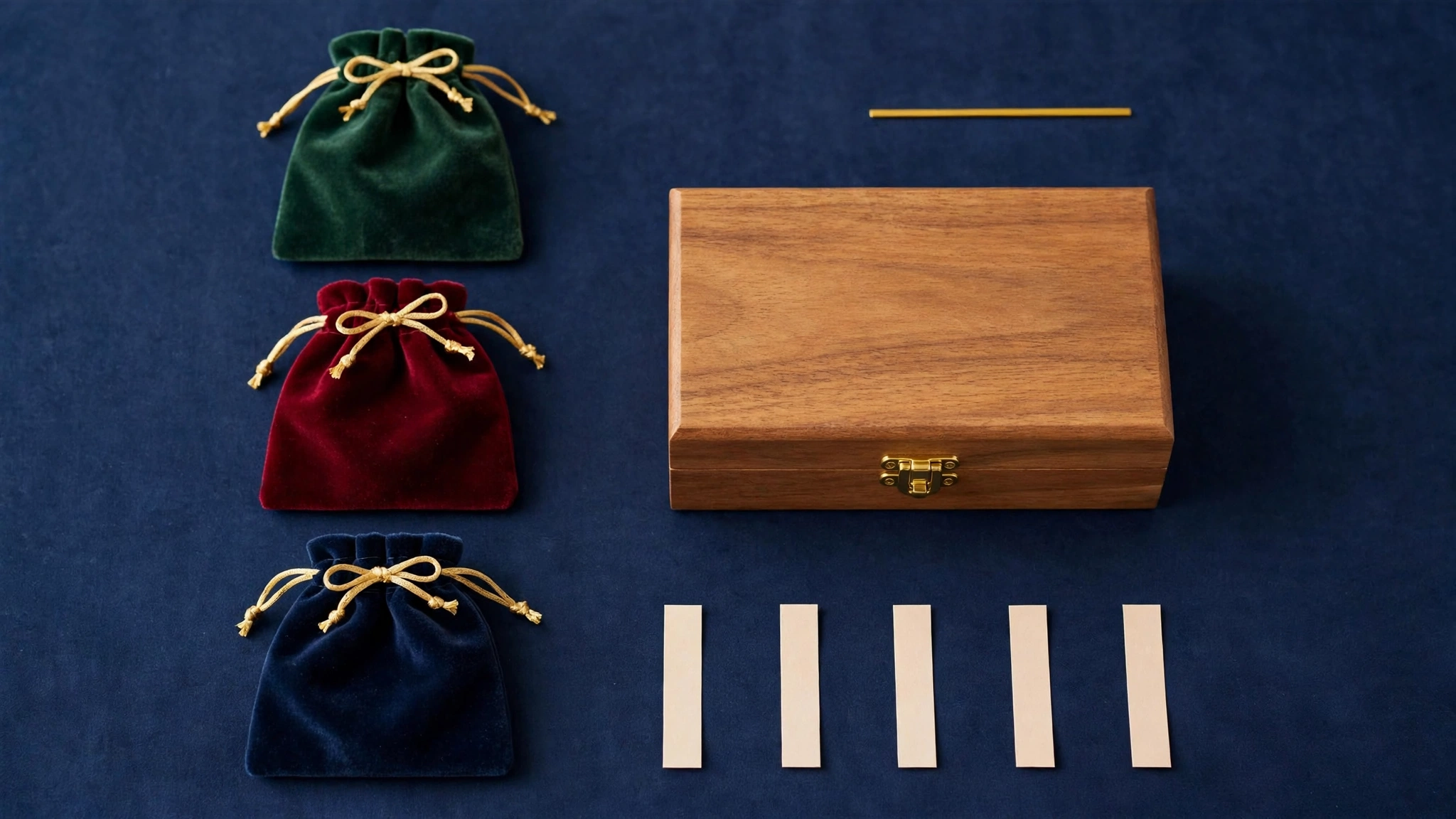
You keep jewelry clean longer by storing each piece separately in a soft-lined box or pouch, away from moisture, humidity, and direct sunlight. Storage is prevention: pieces that do not touch each other do not scratch, and dry sealed storage slows the sulfur reaction that tarnishes silver.
- Separate every piece. Chains tangle, harder stones scratch softer metals, and clasps catch on settings.
- Fasten necklaces and bracelets before storing so they do not tangle.
- Use anti-tarnish strips or pouches for sterling silver; store silver in airtight bags away from humidity.
- Keep jewelry out of bathrooms, where steam and humidity speed up tarnish.
- Put jewelry on last and take it off first: after perfume, lotion, and hair products go on, and before swimming, exercise, cleaning, or cooking.
- Dry pieces completely before storing; trapped moisture encourages tarnish.
- Check clasps, prongs, and thin links twice a year, because a loose clasp is easier to fix than a lost piece.
Conclusion
To clean jewelry at home safely, match the method to the material: a warm soapy soak for gold, platinum, and diamonds; a polishing cloth or aluminum-foil bath for plain sterling silver; and a simple damp cloth for pearls, opals, and emeralds. Avoid bleach, toothpaste, boiling water, and ultrasonic cleaners on fragile stones, and let a jeweler handle loose settings, antiques, and heavy tarnish about every six months. Store pieces separately and dry, and the cleaning routine stays short because the buildup never gets a head start. Voice of Wave publishes practical style and care guides every week, so your favorite pieces keep looking their best for years.
Explore more everyday style guides on the Voice of Wave blog and keep your wardrobe sharp year-round.
FAQ
Can I clean my diamond engagement ring at home?
Yes. Soak the ring in warm water with a few drops of mild dish soap for 15 to 20 minutes, brush gently with a soft toothbrush around the setting, rinse with clean water, and pat dry with a lint-free cloth. Check the prongs first; if the stone moves, see a jeweler before brushing.
How often should I clean my jewelry at home?
Clean pieces you wear daily about once a week, and clean occasionally worn pieces once a month. Weekly cleaning removes skin oils and lotions before they build into a dulling film. Add a professional jeweler cleaning about every six months for setting and prong checks.
Is baking soda safe for cleaning jewelry?
Baking soda is safe only in specific cases: dissolved in hot water for an aluminum-foil bath on plain solid sterling silver with no stones. Do not rub baking soda paste on polished metal, because the grains scratch soft metals like gold and silver. Keep baking soda away from pearls, opals, and plated pieces.
Can I use an ultrasonic cleaner on my jewelry at home?
Sometimes. Ultrasonic cleaners are fine for sturdy pieces like plain gold bands and loose-hard-stone settings in good condition, but they can loosen stones in older or worn settings. Never use one on pearls, opals, emeralds, turquoise, or pieces with glued stones.
How do I clean pearls without damaging them?
Wipe pearls with a clean, soft, damp cloth after every wear and lay them flat to dry. Never soak pearls in soap, vinegar, or hot water, because the coating dissolves in acids and heat. Keep pearls away from perfume, hairspray, and ultrasonic cleaners.
Why does my silver jewelry keep turning black?
Silver turns black because airborne sulfur compounds react with the metal to form silver sulfide, a thin tarnish layer. Humidity, perfumes, and sweat speed the reaction. Store silver dry in airtight pouches with anti-tarnish strips, and polish it with a treated cloth before tarnish builds up.