
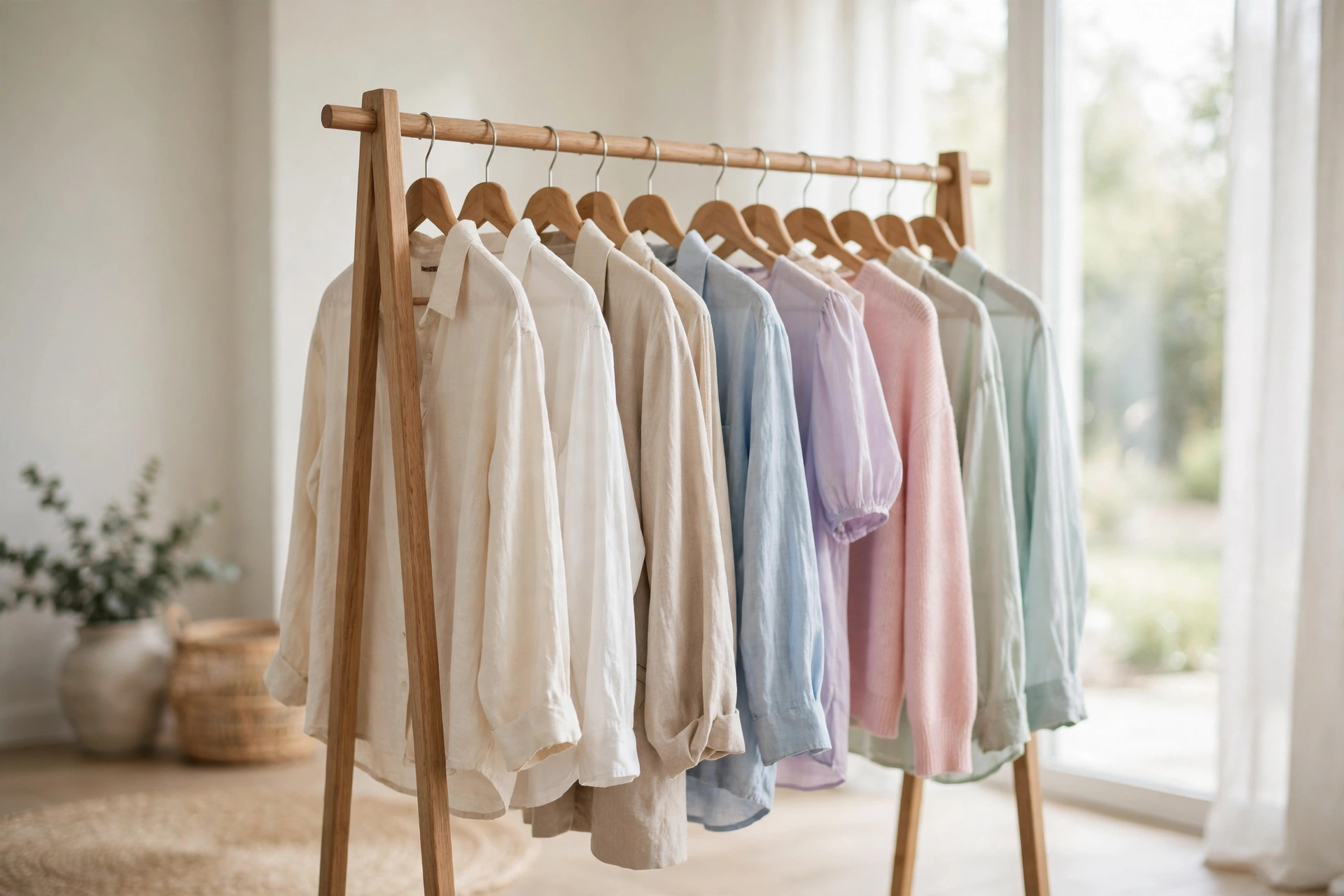
Light-colored outfits are having one of their longest runs in modern fashion. Cream tailoring shows up at red carpets, pastel knits fill high-street rails every spring, and white sneakers have become the default shoe of city life. Light-colored outfits fit modern fashion because they are versatile, seasonless when styled well, and easy to mix: dominant pieces in white, cream, beige, pastels or light gray read as fresh and polished, pair with almost anything, and work for casual days, offices and evening events with only small changes in fabric and accessories. This guide covers what counts as a light-colored outfit, which shades flatter different skin tones, how to build one, the best fabrics, year-round styling, and care tips.
Key Takeaways
- A light-colored outfit is built on high-lightness, low-saturation colors: white, cream, beige, pastel blue, pink, mint, lavender, light gray and soft camel.
- The simplest formula is one anchor piece, one supporting shade and one accent, roughly in a 60-30-10 split.
- Match light colors to your undertone: warm skin glows in cream, peach and camel; cool skin suits icy white, powder blue and soft gray.
- Fabric matters as much as color: choose opaque weaves, lined trousers and structured knits to avoid see-through or wrinkled disasters.
- Light outfits work year-round: shift to heavier fabrics like cream wool, brushed cotton and camel coats in fall and winter.
- Care is the real skill: wash cold and inside out, treat stains immediately, and keep dark denim away from pale pieces.
Table of Contents
- What exactly counts as a light-colored outfit?
- Why do light-colored outfits keep coming back in fashion?
- Which light colors suit different skin tones?
- How do you build a light-colored outfit from scratch?
- What fabrics and fits work best in light colors?
- Can you wear light-colored outfits all year, not just in summer?
- How do you keep light-colored clothes looking clean and fresh?
- What mistakes should you avoid with light-colored outfits?
- FAQ
- Conclusion
What exactly counts as a light-colored outfit?
A light-colored outfit is any outfit whose dominant pieces sit high on the lightness scale and low on the saturation scale: white, off-white, cream, ivory, beige, sand, light gray, dove, and the pastel family of powder blue, blush pink, mint, lilac, peach and butter yellow. An outfit counts even if it includes one darker anchor, such as navy trousers or tan shoes, as long as the overall impression is pale and airy.
The three light color families
It helps to think of light colors in three families. Whites and creams (pure white, ivory, ecru, cream) are the crispest and most formal. Pastels are pure hues mixed with white, which is why pastel colors are described as soft, soothing and milky; they add gentle color without intensity. Light neutrals (beige, stone, taupe, light gray, soft camel) are the quiet workhorses that hold an outfit together and mix with everything.
Light outfits are not the same as all-white outfits
An all-white outfit is a subset, and a demanding one: every piece must match in tone or the result looks accidental. Most wearable light-colored outfits are better as light-dominant looks, meaning two or three pale pieces plus one grounding element. A cream sweater, white jeans and tan loafers read as a light-colored outfit without the pressure of perfect white-on-white matching.
Why do light-colored outfits keep coming back in fashion?
Light-colored outfits return to fashion in cycles because they solve practical and visual problems at once. Pale fabrics reflect heat, which made them the default in warm climates long before air conditioning. Visually, light colors read as clean, calm and modern, so they resurface whenever culture tires of dark, heavy or loud dressing.
The cycles are easy to trace. The 1980s made pastel menswear mainstream, with television detectives in pastel suits turning soft pink and mint shirts into symbols of relaxed confidence. The 2010s brought minimalist dressing, where white sneakers, gray sweatshirts and beige trench coats became a near-uniform. More recently the “quiet luxury” mood pushed cream tailoring, ivory knitwear and camel coats to the front of designer collections, and streetwear kept white and cream sneakers as everyday staples. Each wave fades, but the appeal never leaves: light colors photograph well and mix effortlessly.
Which light colors suit different skin tones?
The right light color is the one that flatters your skin’s undertone, not the one trending on social media. Undertone is the subtle warm or cool cast beneath your skin, and a quick check sorts it out: look at the veins on your inner wrist in daylight. Greenish veins suggest a warm undertone; bluish or purple veins suggest a cool undertone. If you cannot tell, you are likely neutral and can wear most light shades.
Warm undertones glow in cream, ivory, peach, butter yellow, camel, warm beige and soft coral. Stark optic white can look harsh against warm skin, so reach for cream instead. Cool undertones suit icy white, powder blue, lilac, mint, rose pink and soft gray; warm beiges can make cool skin look sallow. Neutral undertones have the easiest job: light gray, stone, dove and soft white all work, and you can borrow from both sides.
Two more factors matter. Contrast level counts: people with high contrast between skin, hair and eyes (dark hair with fair skin, for example) can carry a crisp white shirt with dark trousers, while low-contrast coloring looks best in soft tonal combinations like cream on beige. And fabric finish changes everything: matte light fabrics are forgiving, while shiny satins in pale shades highlight every unevenness of skin tone near the face.
How do you build a light-colored outfit from scratch?
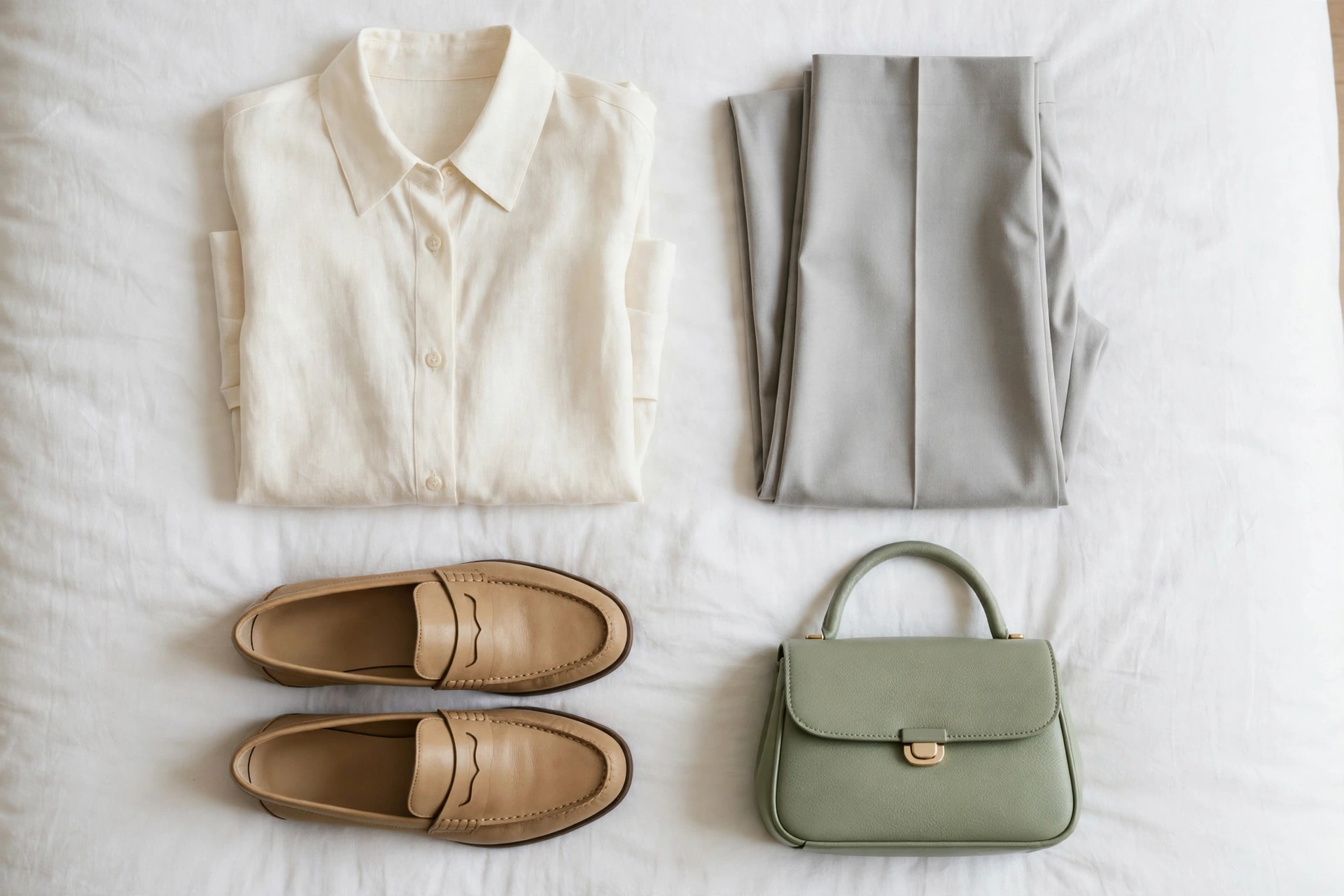
Building a light-colored outfit is easier with a formula than with guesswork. Start with the answer: pick one anchor piece in a light neutral, add a second piece in a related light shade, then finish with one accent. The classic 60-30-10 rule keeps the balance: about 60 percent of the outfit is the main color, 30 percent a supporting shade, and 10 percent an accent in shoes, a bag or jewelry.
Three ready-made formulas
Office: ivory blouse or pale blue shirt (60), light gray tailored trousers (30), tan loafers and a brown belt (10). Swap the loafers for white sneakers and you have a smart-casual weekend version.
Weekend: cream oversized knit (60), white or ecru jeans (30), and a sage or powder-blue crossbody bag (10). This is the uniform of relaxed, polished casual dressing and it suits nearly every body type because nothing clings or contrasts sharply.
Evening: champagne or blush satin top (60), cream wide-leg trousers (30), metallic sandals and delicate silver jewelry (10). Pale outfits at night read as elegant precisely because most eveningwear is dark.
Build a small light capsule
Light colors are ideal for a capsule wardrobe because every piece matches every other piece. Ten well-chosen items, such as a white shirt, cream knit, beige trench, light jeans, gray trousers, two pastel tops, white sneakers, tan loafers and a neutral bag, can produce weeks of outfits. This is the same logic behind the capsule wardrobe idea, a small collection of coordinating staples that covers every occasion, and it pairs naturally with a minimalist living approach to owning fewer but better things.
What fabrics and fits work best in light colors?
Fabric choice decides whether a light-colored outfit looks expensive or unfortunate, because pale cloth reveals what dark cloth hides. The first rule is opacity: hold the garment up to light before buying. Unlined white or pastel trousers, skirts and dresses should have a proper lining; unlined cream blazers need a tight, dense weave.
The most reliable fabrics are cotton poplin and twill for shirts, which stay crisp and opaque; linen and linen blends for summer, accepting that wrinkles are part of the look; mid-weight jersey and structured knits for tops, which skim rather than cling; crepe and suiting wool for trousers and dresses, which drape cleanly; and light-wash or ecru denim for jeans. Avoid thin, clingy synthetics in pale shades: they show lines, highlight sweat and age quickly.
Fit matters too. Light colors add visual volume, so balance is key: pair a relaxed cream sweater with straight or tapered trousers rather than wide everything, and let one piece define the silhouette. Tailored shoulders, clean hems and pressed creases make light outfits look deliberate; sloppy finishing makes them look like pajamas.
Can you wear light-colored outfits all year, not just in summer?
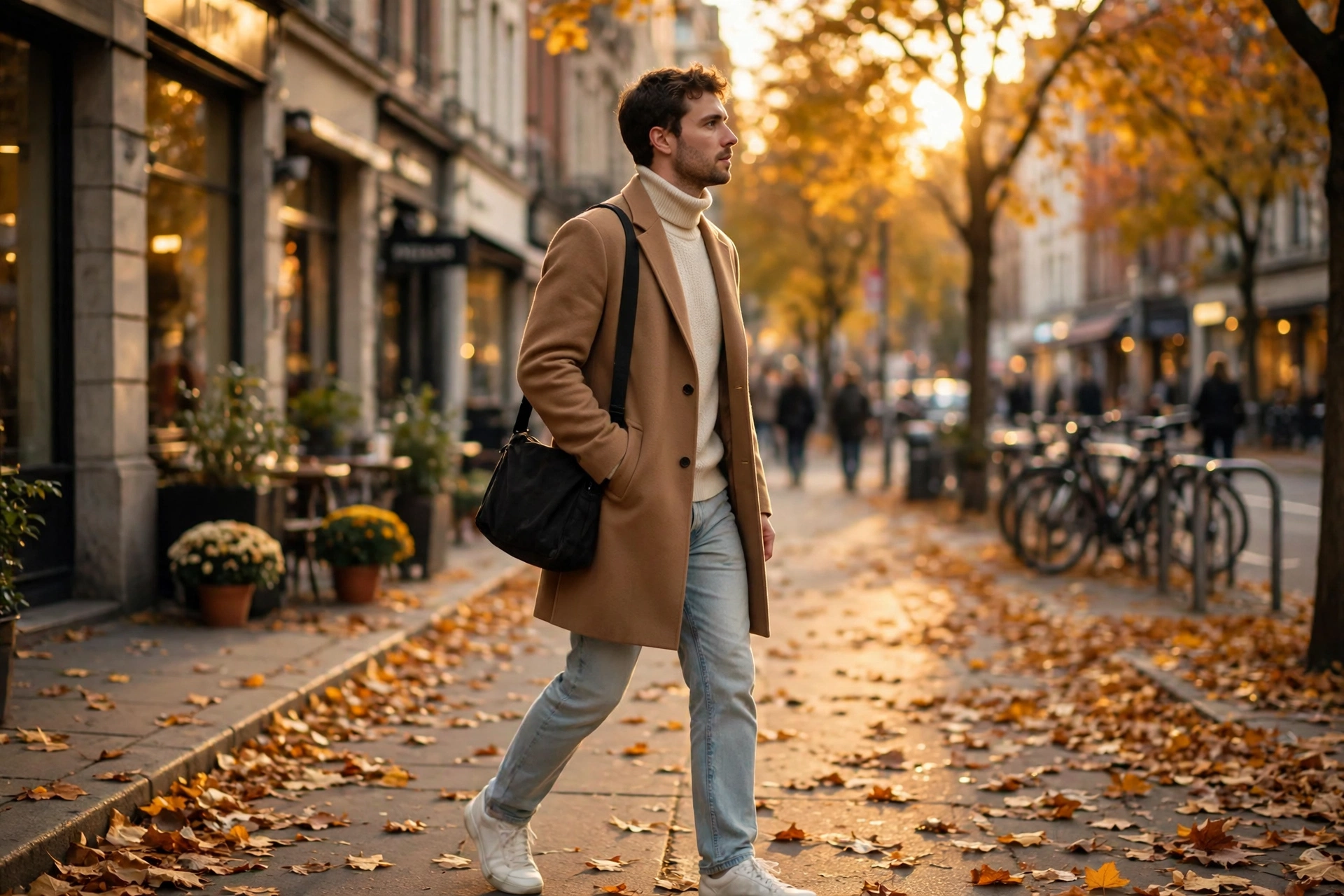
Yes, and the trick is changing the fabric weight and texture while keeping the palette. Light-colored outfits are typecast as summer dressing, but winter whites and cream layers are a staple of cold-weather style in fashion capitals.
For fall, move to brushed cotton, corduroy in stone or sand, cream cable-knit sweaters and camel or oatmeal coats. A camel coat over a cream turtleneck with light-wash jeans is a classic autumn light outfit. For winter, lean on ivory wool coats, white or cream chunky knits, light gray flannel trousers and off-white boots; the heavier textures stop the outfit from looking seasonally confused. In spring, return to pastels and lighter layers: a powder-blue shirt under a beige trench, or a mint knit with white jeans.
Two adjustments keep cold-weather lights working. First, add texture contrast: a chunky cream knit with smooth leather trousers in stone looks intentional, while all-soft fabrics can look washed out. Second, ground the outfit with one deeper tone in shoes or a bag, such as chocolate brown boots or a tan leather tote, which anchors the lightness against gray winter light.
How do you keep light-colored clothes looking clean and fresh?
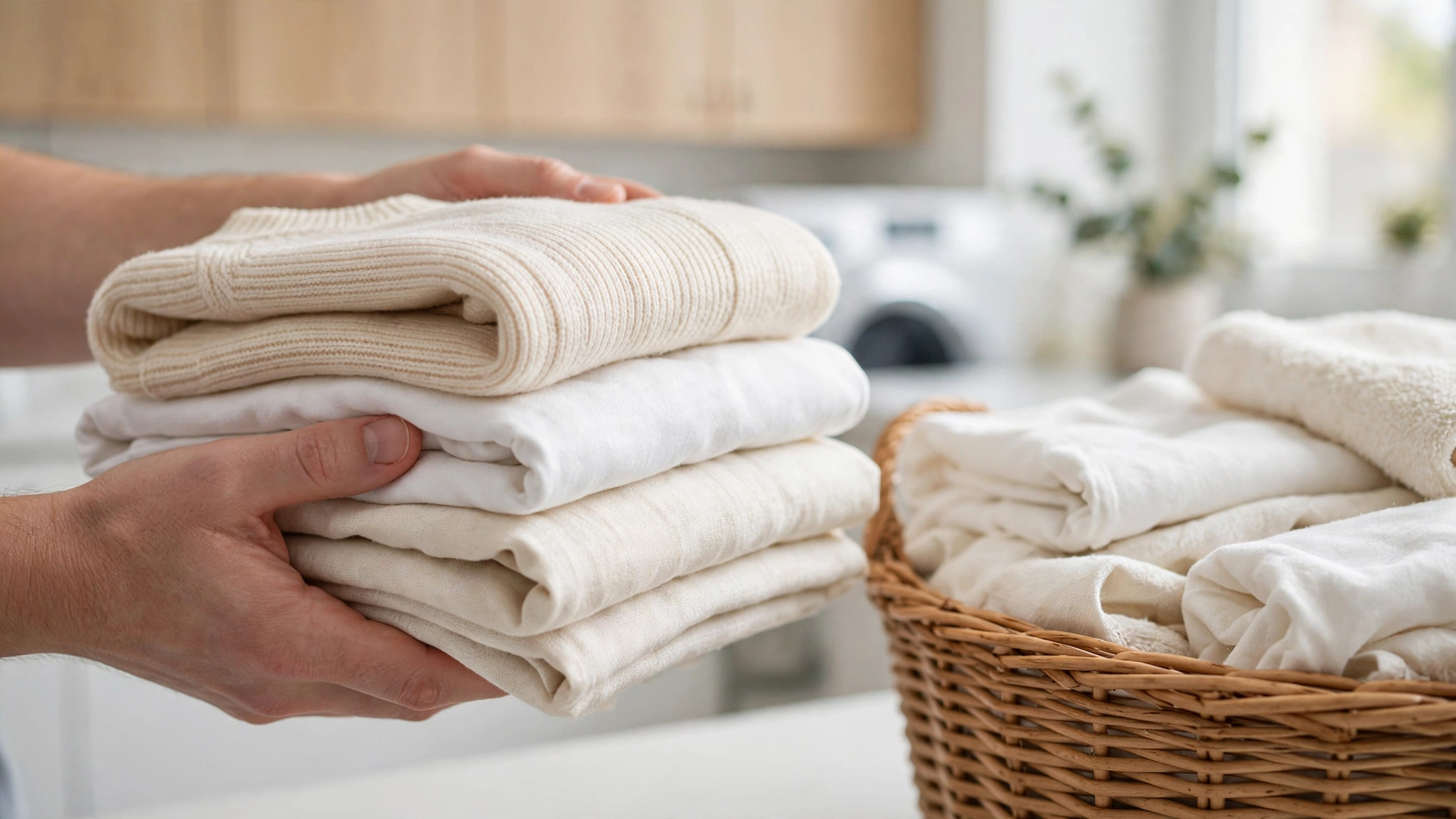
This is the question competitors skip and the one that decides whether light outfits survive real life. Light fabric shows everything, so a small care routine pays off enormously.
Wash smart. Wash light garments inside out in cold water with a gentle detergent, and always separate them from dark clothes, including dark denim. Skip the temptation to use hot water or bleach on every load: heat sets protein stains like sweat, and chlorine bleach yellows white cotton over time. An oxygen-based brightener used occasionally keeps whites white without the damage.
Treat stains immediately. The golden rule of light clothing is speed: rinse or blot a spill within minutes and it usually comes out; wait until laundry day and it may be permanent. Keep a small stain-removal pen in your bag if you wear light outfits often.
Prevent the usual culprits. Let deodorant dry fully before dressing to avoid yellow underarm marks on white and cream. Be cautious with new dark jeans: indigo dye transfers to pale tops, bags and car seats, so wash dark denim a few times before pairing it with light pieces. Store light garments away from direct sunlight, which yellows whites, and avoid wire hangers that can leave rust marks.
What mistakes should you avoid with light-colored outfits?
Wearing sheer fabrics without a lining or slip is the most common failure: what looks fine in a dim fitting room becomes transparent in daylight. Check every pale skirt, dress and trouser in natural light.
Mixing clashing undertones is the second: a cool icy-white top with warm yellow-cream trousers looks dirty rather than tonal. Keep whites in the same temperature family within one outfit.
Neglecting the shoes ruins more light outfits than any color mistake. Scuffed, graying white sneakers drag down an otherwise crisp look, so clean them regularly or rotate pairs; a quick wipe with a damp cloth after wearing keeps them bright. If you are refreshing your rotation, our roundup of 2026 sneaker styles covers comfortable light-colored options worth considering.
Over-accessorizing fights the calm that makes light outfits appealing: one or two accessories in a single accent color beat a handful of competing pieces. And skipping contrast entirely can wash out low-contrast complexions, so a belt, bag or shoe in tan, brown or soft metallic often finishes the look better than head-to-toe paleness.
Light monochrome vs. mixed contrast: a quick comparison
| Approach | How it works | Best for |
|---|---|---|
| Full light monochrome | One pale color head to toe, e.g. cream knit with cream trousers | Minimalist looks, tall silhouettes, evening elegance |
| Light with dark anchor | Pale pieces plus one navy, black or chocolate in trousers or shoes | Offices, high-contrast coloring, practical daily wear |
| Light with pastel pops | Neutral light base with one pastel accent piece | Spring events, casual weekends, soft romantic looks |
FAQ
Are light-colored outfits only for summer? No. Light-colored outfits work in every season when you adjust fabric weight. Cream wool, camel coats and ivory knits are winter staples, while linen and cotton pastels suit summer. The palette stays light; only the texture changes.
Do light colors make you look bigger? Light colors reflect more light and can add visual volume compared to black, but fit matters far more than color. Structured shoulders, defined waistlines and clean vertical lines keep light outfits flattering on every body type.
What is the easiest light-colored outfit for beginners? Start with white or ecru jeans, a cream or striped top, and tan or white shoes. Every piece matches, nothing needs precise color coordination, and you can dress it up or down by changing the shoes and bag.
Can men wear pastel outfits without looking out of place? Absolutely. A pastel shirt with neutral trousers, or a powder-blue knit with beige chinos, are established menswear combinations. Keep one pastel piece per outfit.
How do I stop white clothes from turning yellow or gray? Wash whites separately in cold water, avoid chlorine bleach, and use an oxygen-based brightener occasionally. Yellow underarm marks come from deodorant reacting with sweat, so let deodorant dry before dressing and treat marks promptly.
Which shoes go best with light-colored outfits? White sneakers, tan loafers, nude flats, light gray trainers and metallic sandals all work. Match the shoe’s undertone to the outfit: warm tan with creams and beiges, crisp white or silver with icy pastels and cool grays.
Conclusion
Light-colored outfits fit modern fashion because they do the hardest jobs in a wardrobe with the least effort: they look fresh without trying, mix with almost everything you own, and move from casual to formal with small changes in fabric and accessories. The formula is simple, one light anchor, one supporting shade and one accent, tuned to your undertone and built in fabrics that stay opaque. Wear them year-round by shifting textures with the seasons, and protect your investment with the care routine above: cold washes, quick stain treatment and separation from dark dyes. For more everyday style ideas across fashion and lifestyle, browse the latest guides on the Voice of Wave homepage and start building your light capsule this week.