

Choosing replacement windows means matching frame material, glass package, window style, and installation method to your climate, your budget, and the condition of your existing frames. Start by reading the NFRC label for U-factor and Solar Heat Gain Coefficient, pick vinyl for value or fiberglass for long life, choose double pane glass with a low-E coating, and get at least 3 written quotes that separate insert work from full frame work.
A replacement window is a new unit that fits into your existing opening, so the wall around it stays closed. The choice covers 5 parts: frame material, glass package, window style, hardware, and the installation method. Good windows cut drafts, lower heating and cooling bills, reduce outside noise, and raise resale value. The steps run in order: check your current windows, read the energy labels, pick a material and style, choose the glass, decide the install method, and compare costs. The Home Improvement guides on Voice of Wave cover more projects that pair with new windows.
Key Takeaways
- Read the NFRC label first: U-factor measures heat loss, and Solar Heat Gain Coefficient measures solar heat gain, so both numbers beat brand names.
- Vinyl wins on value, fiberglass wins on life: vinyl lasts 20 to 30 years at the lowest cost, while fiberglass lasts 30 to 50 years.
- Double pane glass with low-E coating and argon fill is the standard pick for most homes in 2026.
- Insert replacement fits sound frames, full frame replacement fixes rot, water damage, and size changes.
- Get 3 written quotes that list the same glass package, install scope, flashing, warranty, and disposal.
Table of Contents
- What Are Replacement Windows?
- How Do You Know It Is Time to Replace Your Windows?
- What Window Style Fits Each Room?
- Which Frame Material Should You Choose?
- How Do You Read Energy Ratings?
- Double Pane or Triple Pane: Which Glass Package Pays Off?
- Insert or Full Frame: Which Installation Method Fits Your Home?
- How Much Does Choosing Replacement Windows Cost in 2026?
- How Do You Compare Quotes and Pick an Installer?
- 7 Mistakes to Avoid When Choosing Replacement Windows
- Conclusion
- Frequently Asked Questions

What Are Replacement Windows?
A replacement window is a complete window unit built to fit inside your existing window opening, so the wall, siding, and interior trim stay in place. Replacement windows differ from new construction windows, which carry a nailing fin that fastens to the wall studs and need the wall opened. A replacement window has a sash set in a frame, and the sash holds the glass. The 5 parts are the frame, the sash, the glass unit, the hardware, and the weatherstripping. Window types range from single-hung and double-hung sash windows to casement, awning, sliding, picture, and bay windows, and each type opens, vents, and cleans in a different way.
Replacement windows suit homes where the existing frames are solid, dry, and square. Most installers finish one window in 1 to 2 hours, so a whole house often takes 1 to 2 days. They cost less than new construction windows because no wall repair follows the install. One trade-off is glass area: an insert unit sits inside the old frame, so each side loses about 1 to 2 inches of glass.
How Do You Know It Is Time to Replace Your Windows?
Replace your windows when drafts, fog between panes, rot, sticking sashes, or rising energy bills show the units have failed. Fog trapped between glass panes means the seal has failed, and no cleaning fixes a failed seal. Soft or crumbling wood signals rot, and warped frames let air and water in. A window that sticks, jams, or will not lock has a failed balance, swollen frame, or bent track.
A simple test finds drafts fast. Hold a lit candle or a thin strip of tissue near the closed window edges on a windy day. I ran this test in my own home and the flame bent hard at the lower sash of two old windows, while the newer windows showed no movement at all. That test showed which rooms needed work first. Vinyl windows last 20 to 30 years, wood windows last 30 to 40 years with care, and fiberglass windows last 30 to 50 years. The U.S. Department of Energy reports that windows account for 25% to 30% of residential heating and cooling energy use (U.S. Department of Energy, 2024), so old single pane units carry a real cost each month.
What Window Style Fits Each Room?
The best window style for a room matches how that room vents, how it cleans, and how much wall space it gives to glass. Double-hung windows suit bedrooms and living rooms because both sashes slide, tilt in for cleaning, and fit classic home styles. Casement windows suit kitchens and bathrooms because a crank opens the full sash for strong airflow, and the crank sits within easy reach over a sink or tub. Sliding windows suit wide, short openings in bedrooms and basements because they glide sideways and need no swing space. Awning windows suit bathrooms and basements because the top hinge opens the bottom outward, so rain stays out while air comes in.
Picture windows suit living rooms and stair landings with a view because the fixed pane gives the largest glass area. Bay and bow windows suit living rooms and dining rooms because they project outward and add light and floor space. Hopper windows suit basements because the bottom hinge opens inward and the small size fits low walls. Match the style to the room before you match it to the catalog: a casement window over a walkway can swing into foot traffic. Check egress first for every bedroom and basement window: the opening must meet local code for emergency escape, and a smaller replacement unit can break that rule.
Which Frame Material Should You Choose?
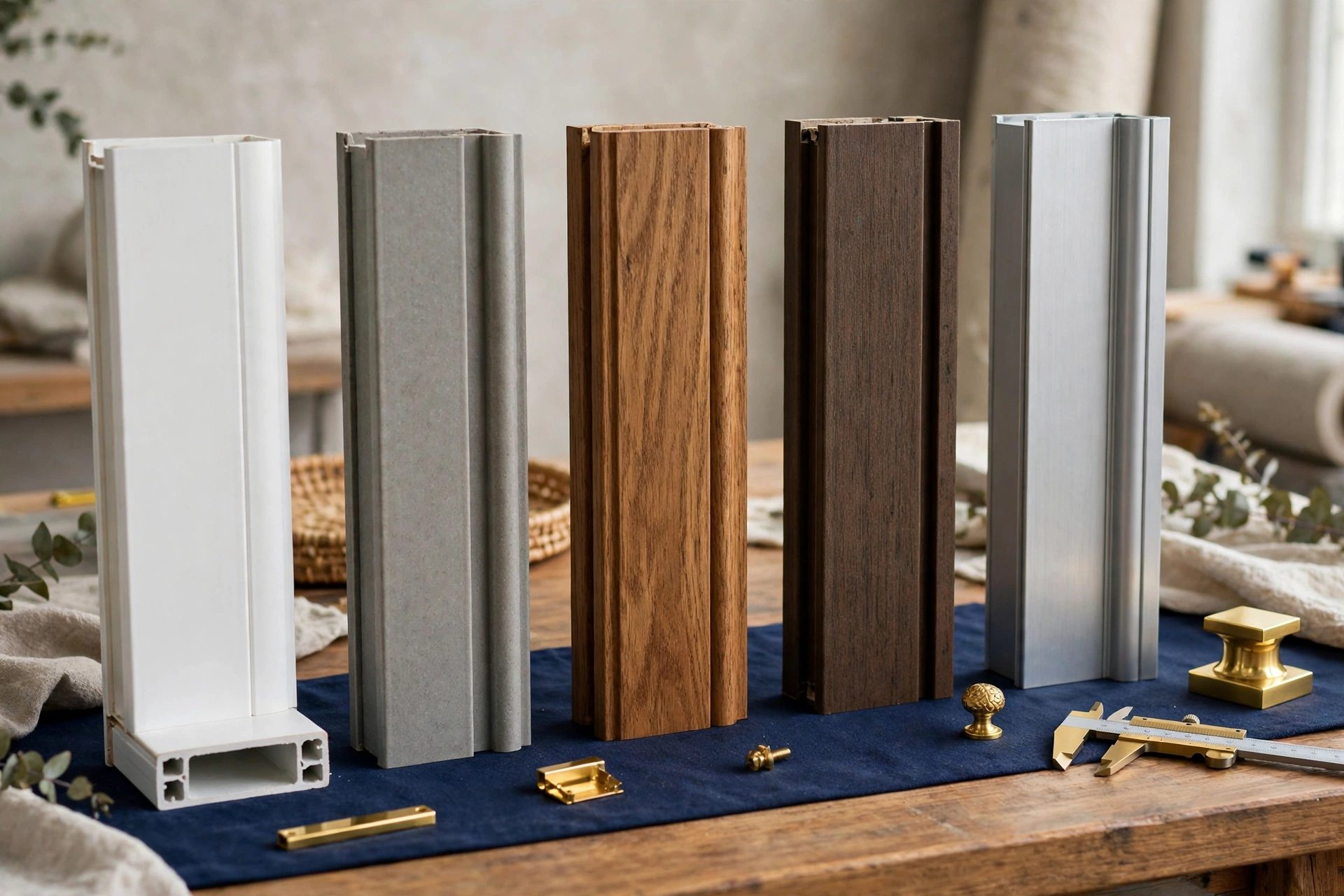
Choose vinyl for the best value, fiberglass for the longest life, wood for classic looks, and aluminum only for slim modern lines in mild climates. Frame material sets price, upkeep, insulation, and life span. The table below compares the 5 main materials on the facts that drive the choice.
| Material | Cost per window | Life span | Upkeep | Insulation | Best for |
|---|---|---|---|---|---|
| Vinyl | $100 to $900 | 20 to 30 years | Very low, wash only | Good | Budget whole house jobs |
| Fiberglass | $500 to $1,500 | 30 to 50 years | Low, paintable | Very good | Large openings, harsh climates |
| Wood | $800 to $1,500 | 30 to 40 years | High, refinish every 3 to 7 years | Good | Historic and high end homes |
| Composite | $600 to $1,400 | 30 to 50 years | Low, paintable | Very good | Wood look with low upkeep |
| Aluminum | $75 to $400 | 20 to 30 years | Low | Poor unless thermally broken | Slim frames, mild climates |
Vinyl is the most common replacement window material because it costs the least, never needs paint, and resists moisture and rot. Vinyl limits color choice and cannot be repainted, and dark vinyl can warp in extreme heat. Fiberglass frames expand and contract at almost the same rate as glass, so the seal stays tight for decades, and fiberglass holds large openings without sagging. Wood insulates well and takes any paint color, but wood needs regular refinishing and rots when neglected. Composite frames blend wood fiber and resin for a wood look with low upkeep. Aluminum gives the slimmest sight lines, but it conducts heat and cold, so only thermally broken aluminum suits cold climates.
How Do You Read Energy Ratings?
Read the NFRC label for U-factor, Solar Heat Gain Coefficient, and air leakage, then check the ENERGY STAR label for your climate zone. The National Fenestration Rating Council (NFRC) tests each window and prints the results on a label, so two windows from different makers compare on the same numbers. U-factor measures how much heat escapes through the window, and a lower U-factor means better insulation. A U-factor of 0.30 or lower suits most regions, and 0.22 or lower marks a high performance unit. Solar Heat Gain Coefficient (SHGC) measures how much solar heat passes through the glass. Warm climates want a low SHGC near 0.25, while cold climates accept a higher SHGC near 0.40 to gain free winter heat.
The ENERGY STAR label ties these numbers to 4 US climate zones, so a window certified for the Northern zone differs from one certified for the Southern zone. ENERGY STAR states that replacing single pane windows with ENERGY STAR certified windows saves an average household about 13% on energy bills (ENERGY STAR, 2026). Air leakage is the third number on the label, and a value below 0.3 cubic feet per minute per square foot marks a tight window. Compare the full label, not just the pane count.
Double Pane or Triple Pane: Which Glass Package Pays Off?
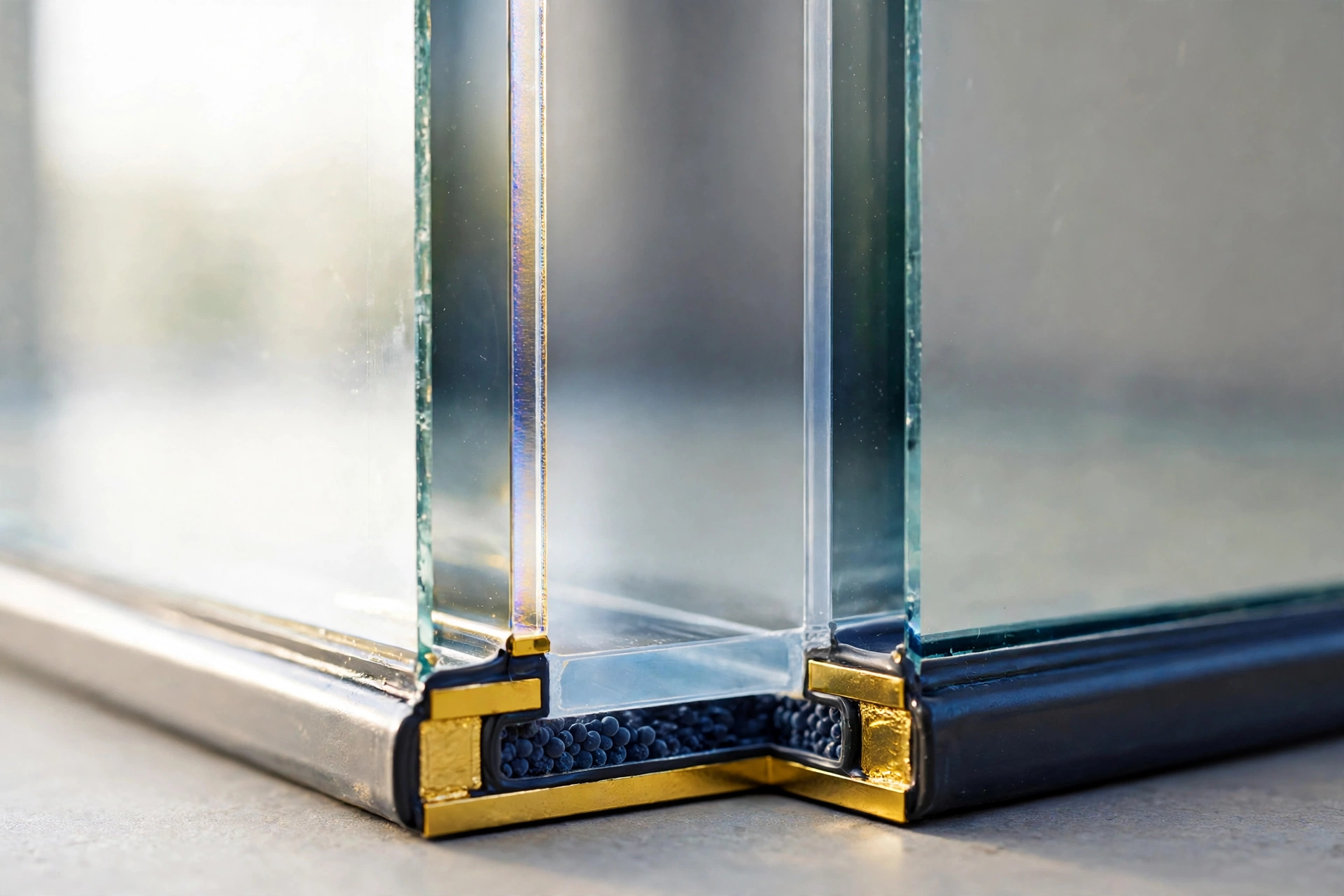
Double pane glass with a low-E coating and argon gas fill pays off for most homes, while triple pane glass pays off only in very cold climates or noisy streets. Double pane glass has 2 panes with a sealed gap, and triple pane glass has 3 panes with 2 gaps. The gap holds argon or krypton gas, which slows heat flow better than plain air. A low emissivity coating is a thin metal oxide layer on the glass that reflects infrared heat while it lets visible light pass, so heat stays on the side where it started.
Double pane glass with low-E coating and argon fill meets ENERGY STAR criteria in every climate zone and costs far less than triple pane glass. Triple pane glass adds a third pane and a second gas gap, so it insulates better and cuts outside noise more, but it costs 20% to 30% more per window and weighs more. Triple pane glass suits very cold regions and homes near highways or airports. Laminated glass adds a plastic layer between panes, so it blocks more sound, resists break-ins, and blocks nearly all UV light. Tempered glass suits doors, bathrooms, and low windows because it breaks into small blunt pieces instead of sharp shards.
Insert or Full Frame: Which Installation Method Fits Your Home?
Insert replacement fits homes with solid, dry frames, while full frame replacement fits homes with rot, water damage, or a size change. The 2 methods differ in scope, cost, time, and what they reveal about the wall.
| Factor | Insert (pocket) replacement | Full frame replacement |
|---|---|---|
| What comes out | Old sash and hardware only | Sash, frame, trim, and casing |
| Wall work | None, trim stays in place | Opening stripped to the studs |
| Glass area | Loses 1 to 2 inches per side | Keeps the full opening |
| Time per window | 1 to 2 hours | 4 to 8 hours plus wall repair |
| Cost | Lower, no trim or siding work | Higher, trim and siding repair included |
| Best for | Sound frames, same size, fast job | Rot, water damage, size or shape change |
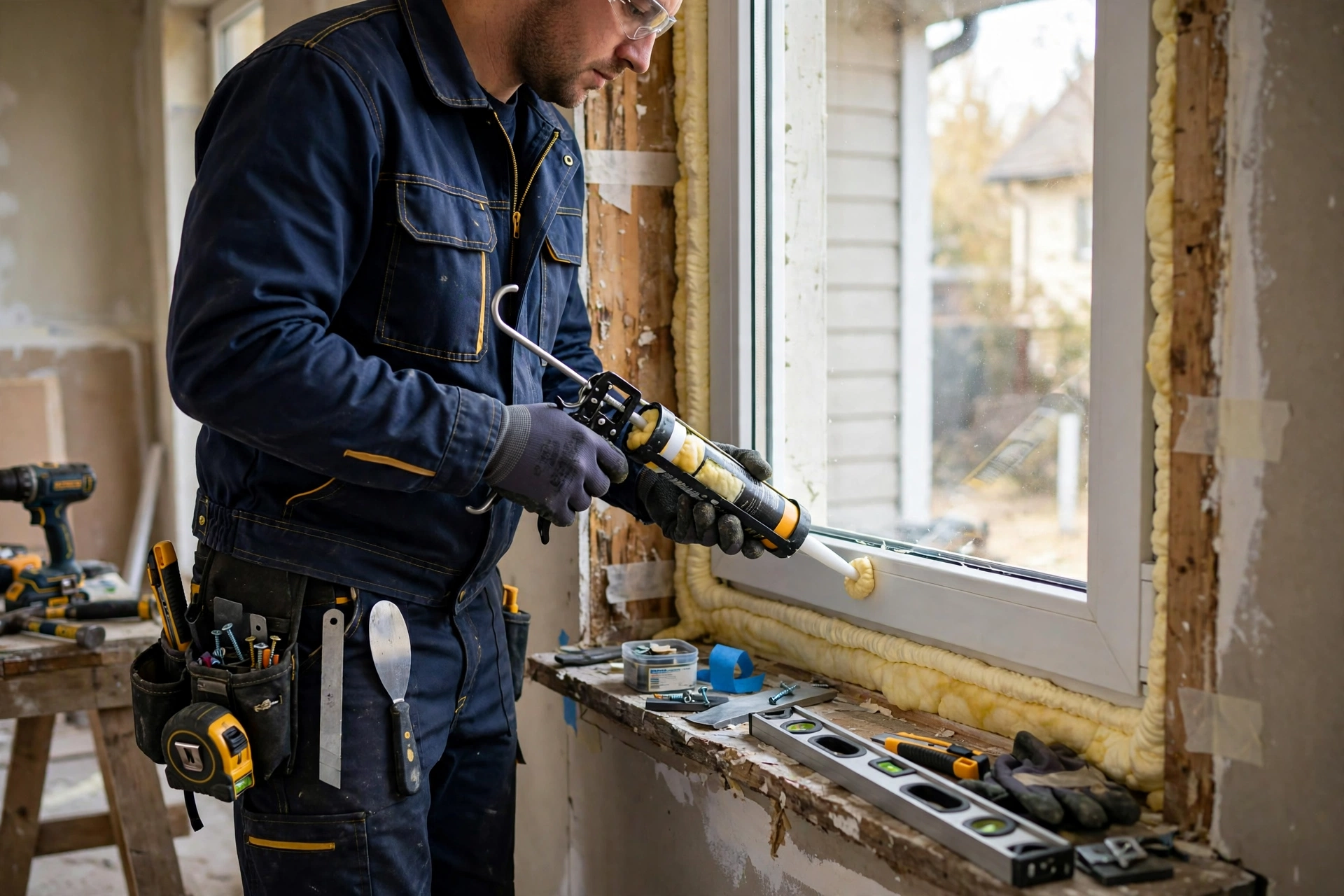
Insert replacement is the right pick when the frames feel solid and dry, the size stays the same, and the trim and siding look good. The installer removes the old sash, fits the new unit inside the old frame, and seals the gaps with insulation and caulk. Full frame replacement is the right pick when a screwdriver pressed into the wood sinks in soft, when water stains mark the wall below a window, or when the opening changes size or shape. Full frame work exposes the rough opening, so the installer can fix rot, add flashing, and insulate the cavity right. Flashing directs water away from the wall, and poor flashing causes leaks, mold, and rot years after the install. Ask every bidder which method the quote covers, because an insert quote and a full frame quote can differ by hundreds of dollars per window.
How Much Does Choosing Replacement Windows Cost in 2026?
A single replacement window costs $300 to $3,000 installed in 2026, and a whole house job with 10 windows runs $6,000 to $20,000 for most homes. The range is wide because frame material, glass package, size, style, and install method all move the price. Angi reports frame materials from $75 to $1,500 per window and window types from $50 to $6,500 per window (Angi, 2026).
| Material | Typical installed cost per window |
|---|---|
| Vinyl, double pane, low-E | $300 to $800 |
| Fiberglass, double pane, low-E | $500 to $1,500 |
| Wood, double pane, low-E | $800 to $1,500 |
| Composite, double pane, low-E | $600 to $1,400 |
| Aluminum, double pane | $400 to $900 |
| Triple pane upgrade | Add $100 to $300 per window |
Labor adds $150 to $300 per window for a standard insert install, and full frame work adds more for trim and wall repair. Permits run $50 to $300 in most areas, and a good installer handles the permit as part of the job. The federal tax credit for residential window replacement expired at the end of 2025, so no federal credit applies in 2026, but state programs and utility rebates still exist in many areas. The Remodeling Magazine Cost vs. Value Report (2024) found that a vinyl window replacement recoups about 67% of its cost at resale. Compare total project cost, not just the per window price, and confirm that disposal, permits, flashing, and trim work sit inside the quote.
How Do You Compare Quotes and Pick an Installer?
Compare quotes on the same glass package, install method, flashing, warranty, and disposal terms, then pick the installer with the strongest references and the clearest written scope. Get at least 3 written quotes and ask each bidder the same questions. Use this checklist to compare bids line by line:
- List the frame material, glass panes, low-E coating, and gas fill for each window.
- State the install method for each window: insert or full frame.
- Confirm flashing, insulation, caulk, and interior trim work are included.
- List the warranty on the window, the glass seal, and the labor, with the term in years.
- Confirm who pulls the permit and who pays the permit fee.
- Confirm disposal of old windows and job site cleanup are included.
- Ask for 3 recent local references and call at least 2 of them.
Check the installer license, insurance, and manufacturer certification before you sign. A certified installer keeps the factory warranty valid, and an uninsured crew leaves you exposed when a ladder falls or a wall cracks. Read the warranty fine print: many lifetime warranties cover the first owner only, and the glass seal warranty often runs 10 to 20 years. Ask what transfers to the next owner, because a transferable warranty adds resale value. A good contract states a per window price for extra rot repair, so a surprise does not turn into an open bill.
Related reading: See our Siding Installation guide to plan exterior work that pairs with new windows.

7 Mistakes to Avoid When Choosing Replacement Windows
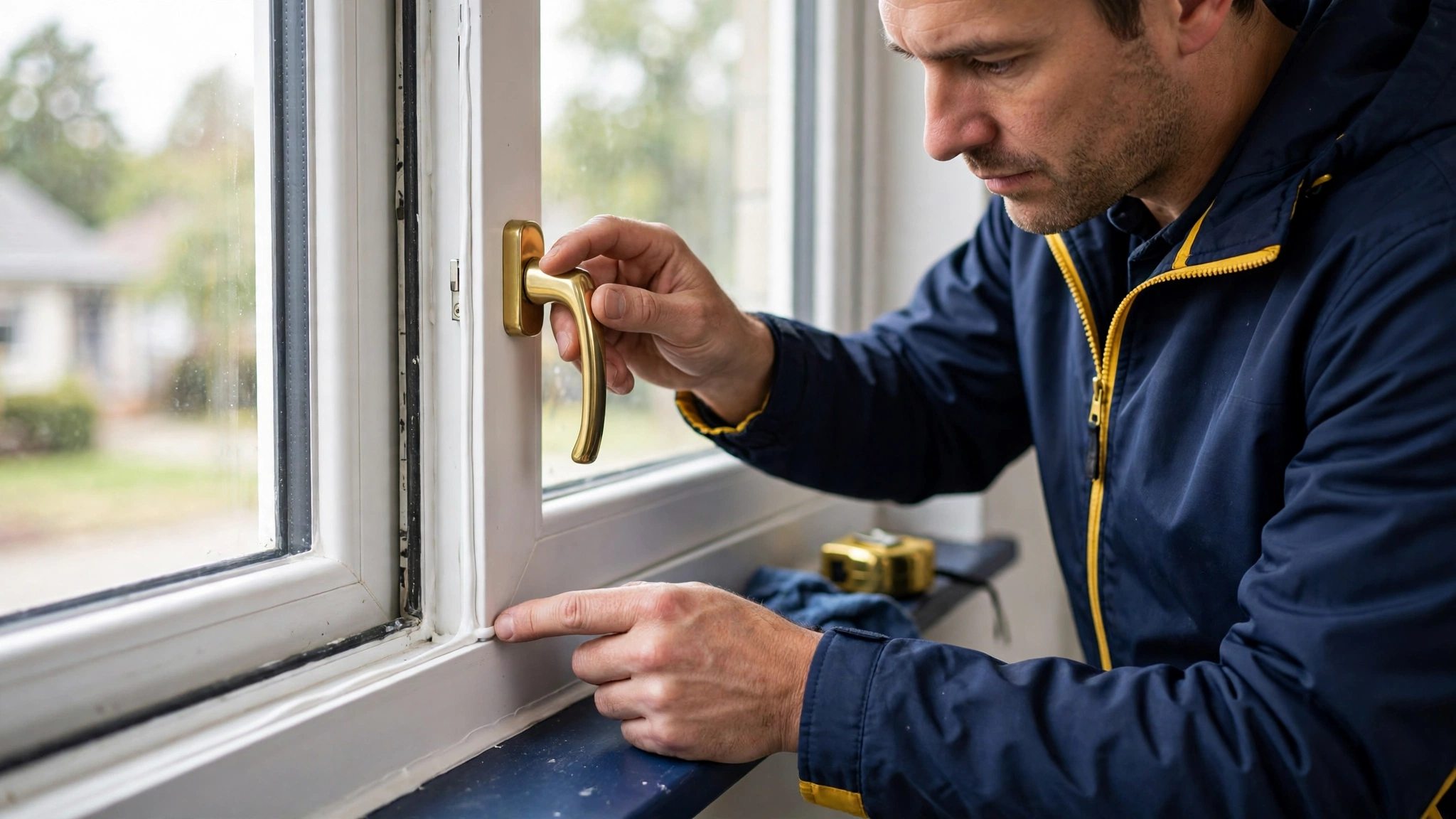
The 7 mistakes below cost homeowners the most money, and each one is easy to avoid with a check before you sign. First, buying on price alone picks the cheapest glass and the thinnest frame, and the energy loss shows up on every bill. Second, skipping the NFRC label means you buy a brand name instead of a U-factor and SHGC that fit your climate. Third, ignoring egress rules in bedrooms and basements can fail a home inspection and block a sale. Fourth, skipping lead paint rules in a pre-1978 home breaks federal law: the EPA Renovation, Repair, and Painting (RRP) rule calls for a certified contractor when lead paint is disturbed. Fifth, measuring once and ordering fast leads to units that do not fit, so confirm that the installer measures each opening and owns the fit. Sixth, accepting a verbal warranty leaves you with no proof when a seal fails, so get every warranty term in writing. Seventh, paying in full before the job starts removes your leverage, so pay a deposit, a progress payment at delivery, and the balance only after a final walkthrough. Walk each window after install: open and close it, lock it, and check the seal, trim, and caulk before you sign off.
Conclusion
Choosing replacement windows comes down to 5 decisions in order: read the NFRC label, pick the frame material, match the style to the room, choose the glass package, and set the install method. Vinyl gives the best value, fiberglass gives the longest life, and double pane glass with a low-E coating and argon fill suits most homes in 2026. Insert replacement fits sound frames, full frame replacement fixes rot and size changes, and 3 written quotes on equal terms keep the price honest. Check egress and lead paint rules before you order, read the warranty fine print, and pay the balance only after a final walkthrough. The right windows cut drafts, lower bills, and last for decades. Voice of Wave covers home care, energy savings, and everyday upgrades, and this guide gives you the checklist to buy with confidence.
—
Explore more home guides on the Voice of Wave blog.
—
Frequently Asked Questions
How much do replacement windows cost?
Replacement windows cost $300 to $3,000 per window installed in 2026, and a whole house job with 10 windows runs $6,000 to $20,000 for most homes. Vinyl double pane units sit at the low end, while wood, fiberglass, and triple pane units sit at the high end. Labor, permits, and full frame work add to the total.
What is the best replacement window material?
Vinyl is the best replacement window material for most homes because it costs the least, needs almost no upkeep, and insulates well. Fiberglass is the best pick for large openings and harsh climates because it lasts 30 to 50 years and holds its shape. Wood is the best pick for historic homes where looks matter most.
Are double pane or triple pane windows better?
Double pane windows are better for most homes because they cost less and meet ENERGY STAR criteria in every climate zone with a low-E coating and argon fill. Triple pane windows are better in very cold climates and noisy streets because the third pane adds insulation and sound control, but they cost 20% to 30% more per window.
How long do replacement windows last?
Replacement windows last 20 to 50 years, based on the frame material. Vinyl windows last 20 to 30 years, wood windows last 30 to 40 years with regular refinishing, and fiberglass windows last 30 to 50 years. Glass seals fail sooner than frames, so the seal warranty often runs 10 to 20 years.
Can I replace windows myself?
You can replace windows yourself if you have carpentry skill, the right tools, and sound frames for an insert job. Most homeowners hire a professional because a bad fit voids the factory warranty, poor flashing causes leaks and rot, and full frame work needs wall repair skill. Get 3 written quotes before you decide.
Do replacement windows save money on energy bills?
Yes, replacement windows save money on energy bills when they replace single pane or failed units. ENERGY STAR states that replacing single pane windows with ENERGY STAR certified windows saves an average household about 13% on energy bills (ENERGY STAR, 2026). The savings grow in homes with many old windows and in very hot or very cold climates.
—