
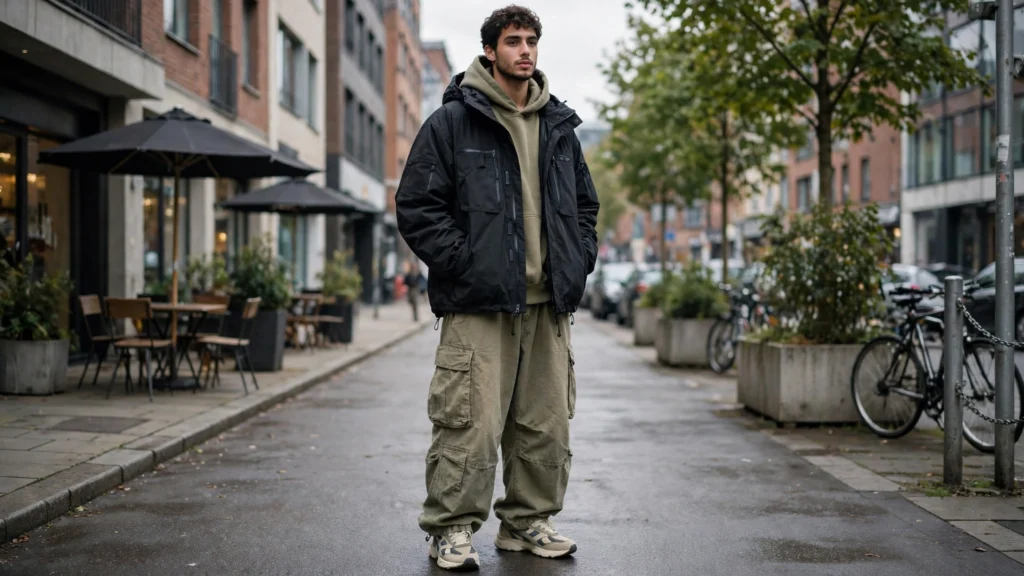
Streetwear trends in 2026 point to one clear shift: urban style now mixes comfort, function, and personal expression rather than chasing a single logo or silhouette. Oversized fits remain popular, but the way people style them has changed, with slimmer bottoms, cleaner layers, and a stronger focus on fabric quality. Technical outerwear has moved from trails to city streets, while retro graphics and vintage fits continue to anchor everyday outfits. This guide explains what streetwear is, how it evolved, which trends define 2026, and how to build a wardrobe that feels current without wasting money on short-lived pieces.
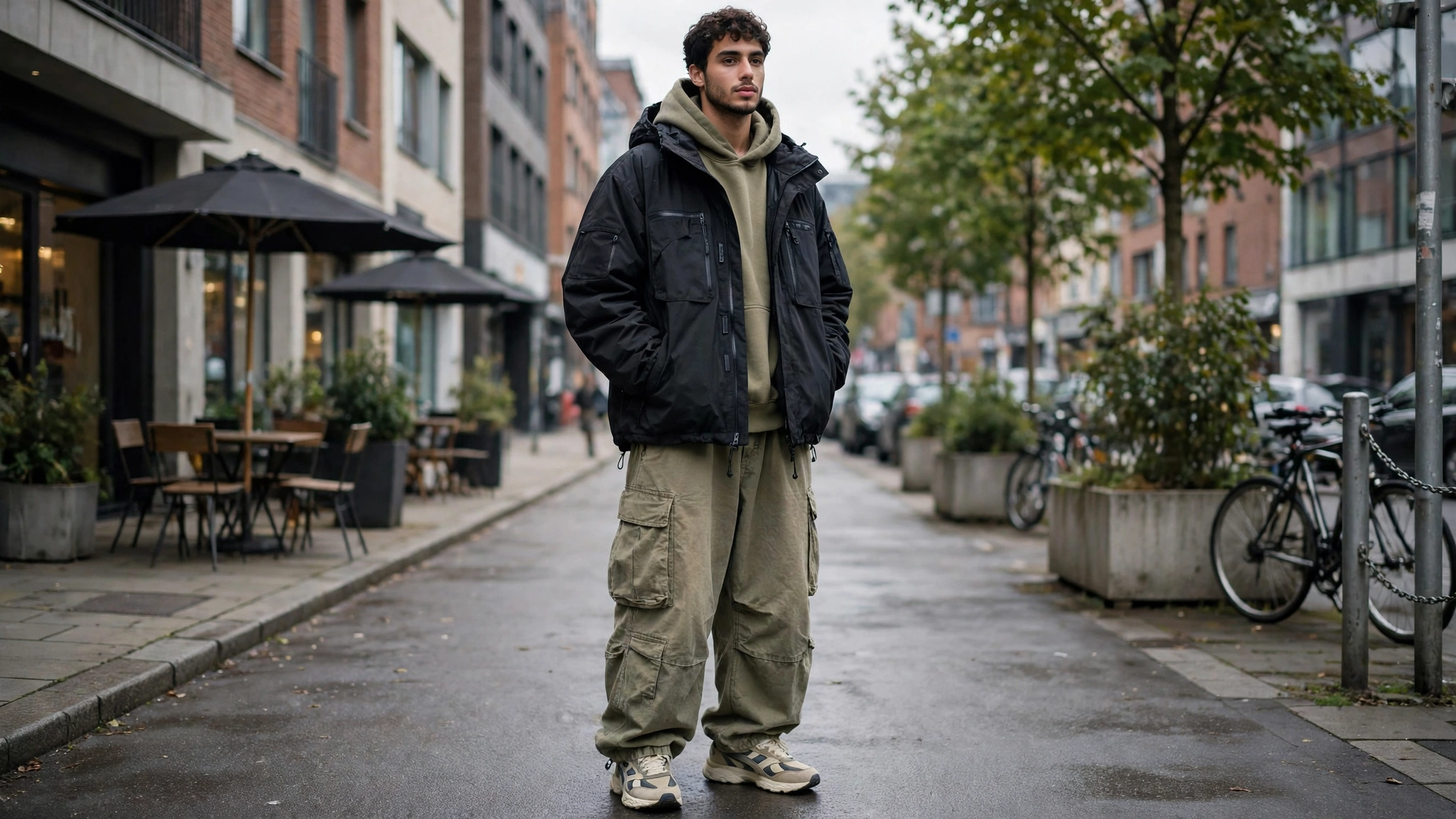
Key Takeaways
- Streetwear in 2026 blends oversized fits, technical fabrics, retro graphics, and quiet branding.
- Balance volume by pairing one oversized piece with slimmer items.
- Gorpcore brings trail-ready shells, cargo pockets, and trail sneakers into city outfits.
- Quiet streetwear uses heavy cotton, clean cuts, and minimal logos.
- Thrift basics plus one statement piece is the smartest way to build a streetwear outfit on a budget.
Table of Contents
- What Is Streetwear?
- History of Streetwear
- Oversized Fits and Balanced Volume
- Gorpcore and Technical Outerwear
- Retro Graphics and Vintage Fits
- Quiet Streetwear and Minimal Branding
- Building a Streetwear Outfit on a Budget
- Streetwear Mistakes to Avoid
- Frequently Asked Questions
What Is Streetwear?
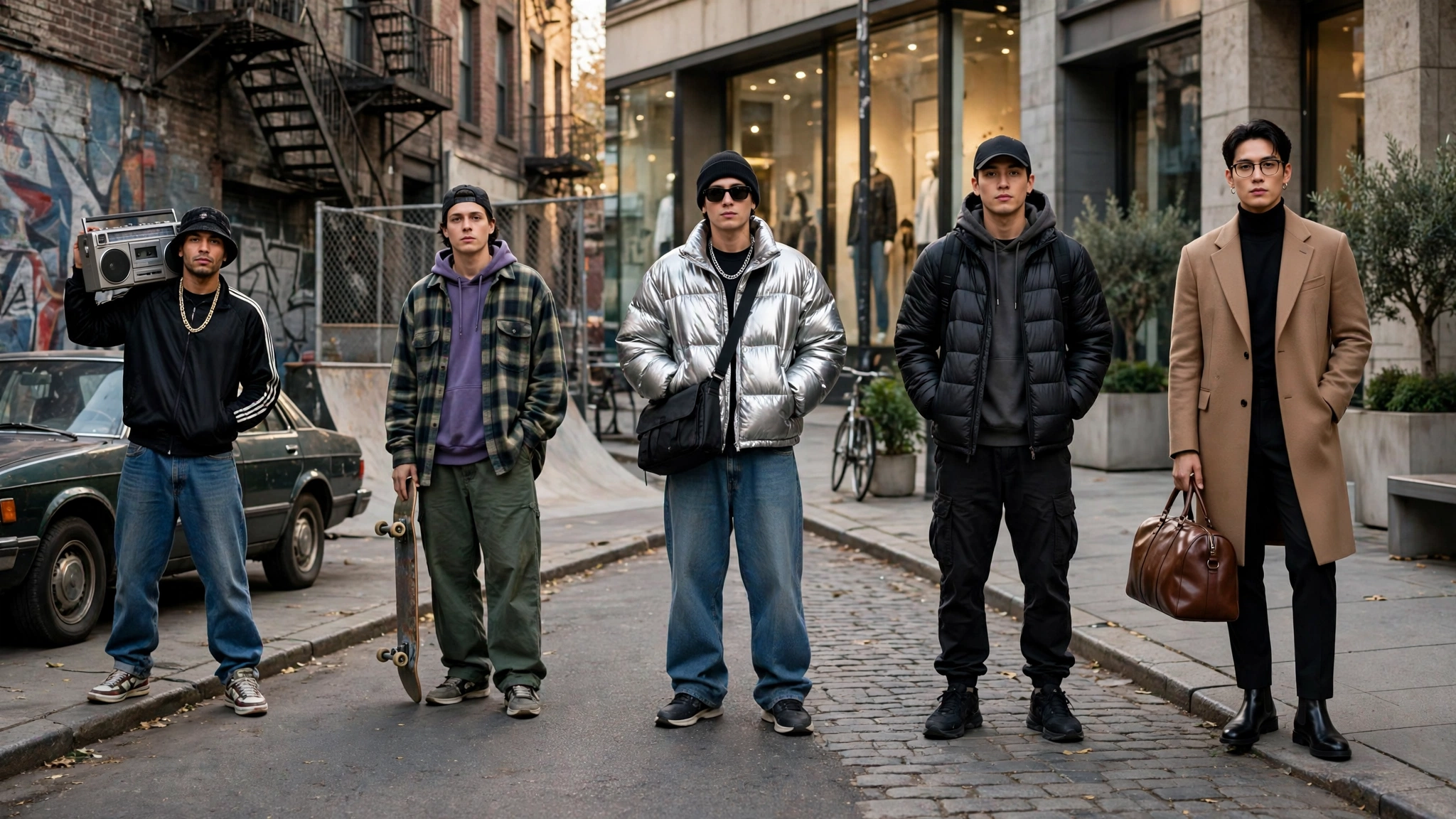
Streetwear is a style of casual clothing shaped by skate, surf, hip-hop, and youth culture, built around comfortable fits, graphic tees, hoodies, sneakers, and relaxed layering. Streetwear started outside fashion runways, in skate parks, music scenes, and city neighborhoods, and it later entered high fashion through collaborations and limited releases. The core idea has stayed the same: clothes that feel easy to wear, look intentional, and connect to a culture or community. Streetwear is not one outfit formula, it is a mix of comfort, attitude, and self-expression that changes with each generation.
Modern streetwear includes many pieces: oversized tees, hoodies, cargo pants, wide jeans, track jackets, sneakers, caps, and crossbody bags. The pieces work because they are practical for daily life and easy to layer, and because they let wearers mix sport, workwear, and vintage references in one outfit. Streetwear also values details that other styles ignore, such as heavy cotton, dropped shoulders, reinforced seams, and thoughtful color choices. For broader style context, readers can explore the fashion guides on this site.
History of Streetwear
Streetwear history runs from 1980s surf and skate brands, through 1990s hip-hop fashion, to 2010s luxury collaborations and the current mix of comfort, function, and vintage style. Surf brands in California and skate brands in New York built the first streetwear model: small runs, graphic tees, and a strong local identity. Hip-hop culture then turned streetwear into a global language, with baggy jeans, jerseys, sneakers, and bold logos that signaled pride and community. By the 2010s, luxury houses began collaborating with streetwear labels, and limited drops, resale markets, and sneaker culture pushed streetwear into mainstream fashion.
That history explains why 2026 streetwear looks mixed rather than uniform. Oversized fits come from hip-hop and skate roots, technical shells come from outdoor gear, retro graphics come from vintage sportswear, and quiet branding comes from a reaction against years of loud logos. Understanding those roots helps readers choose pieces that fit their own style instead of copying a trend that will fade in one season.
Oversized Fits and Balanced Volume
Oversized fits in 2026 work best when one piece carries the volume and the rest of the outfit stays controlled. An oversized boxy jacket or wide tee looks current when paired with slim or straight trousers, a fitted base layer, and clean sneakers. The rule is simple: let one item be big, keep the others close to the body, and avoid stacking oversized layers that hide shape completely. Fabric matters too, because a heavy cotton hoodie holds structure better than a thin jersey that collapses and looks messy.
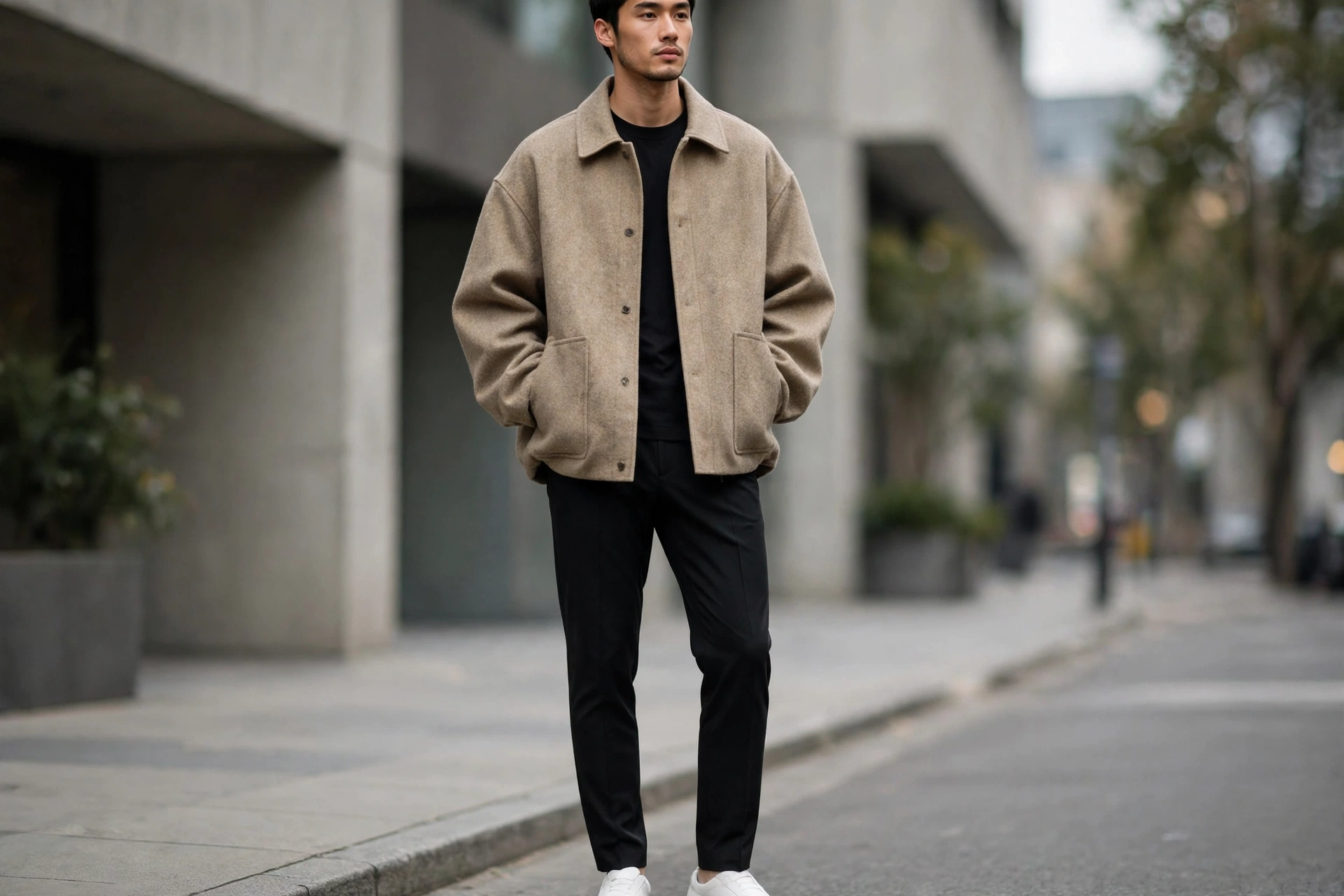
Fit checks help: the shoulder seam should sit just past the natural shoulder, the hem should cover the waistband without reaching mid-thigh, and the sleeves should end near the wrist rather than covering the hands. People who prefer a full oversized look can still make it work by keeping the color palette simple and the shoes clean, which stops the outfit from looking accidental. For sizing, many shoppers go one size up from their usual fit for tees and hoodies, and stay true to size for trousers to keep the balance.
Gorpcore and Technical Outerwear
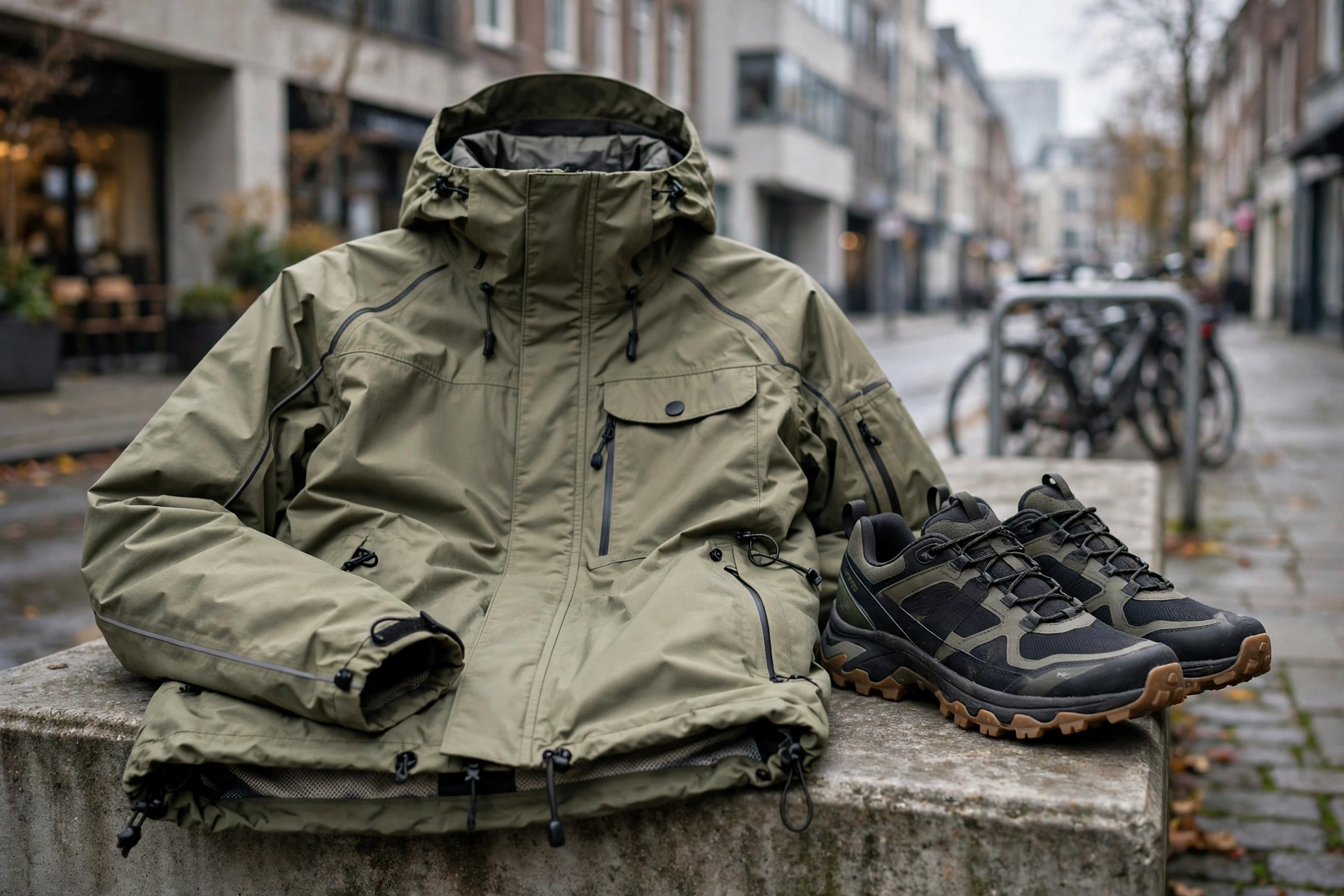
Gorpcore is the streetwear trend that brings outdoor and trail gear into city outfits, using technical shells, cargo pockets, trail sneakers, and functional details as fashion choices. Gorpcore gets its name from trail snack slang, and it treats performance gear as everyday style. A water-resistant shell, a fleece layer, cargo pants, and trail sneakers form the core of a gorpcore outfit, and the look works because the pieces are practical for rain, wind, and long days on foot.
To wear gorpcore without looking like a hiker, keep the palette earthy or neutral, choose one technical piece as the focus, and pair it with clean urban basics. A technical shell over a plain tee and straight trousers reads as streetwear, while a full trail kit with hiking boots reads as outdoor gear. Trail sneakers also work as daily shoes when the colorway is muted and the rest of the outfit is simple. Gorpcore also rewards quality: a good shell lasts for years, so it is worth spending more on one reliable outer layer than on several cheap jackets.
Retro Graphics and Vintage Fits
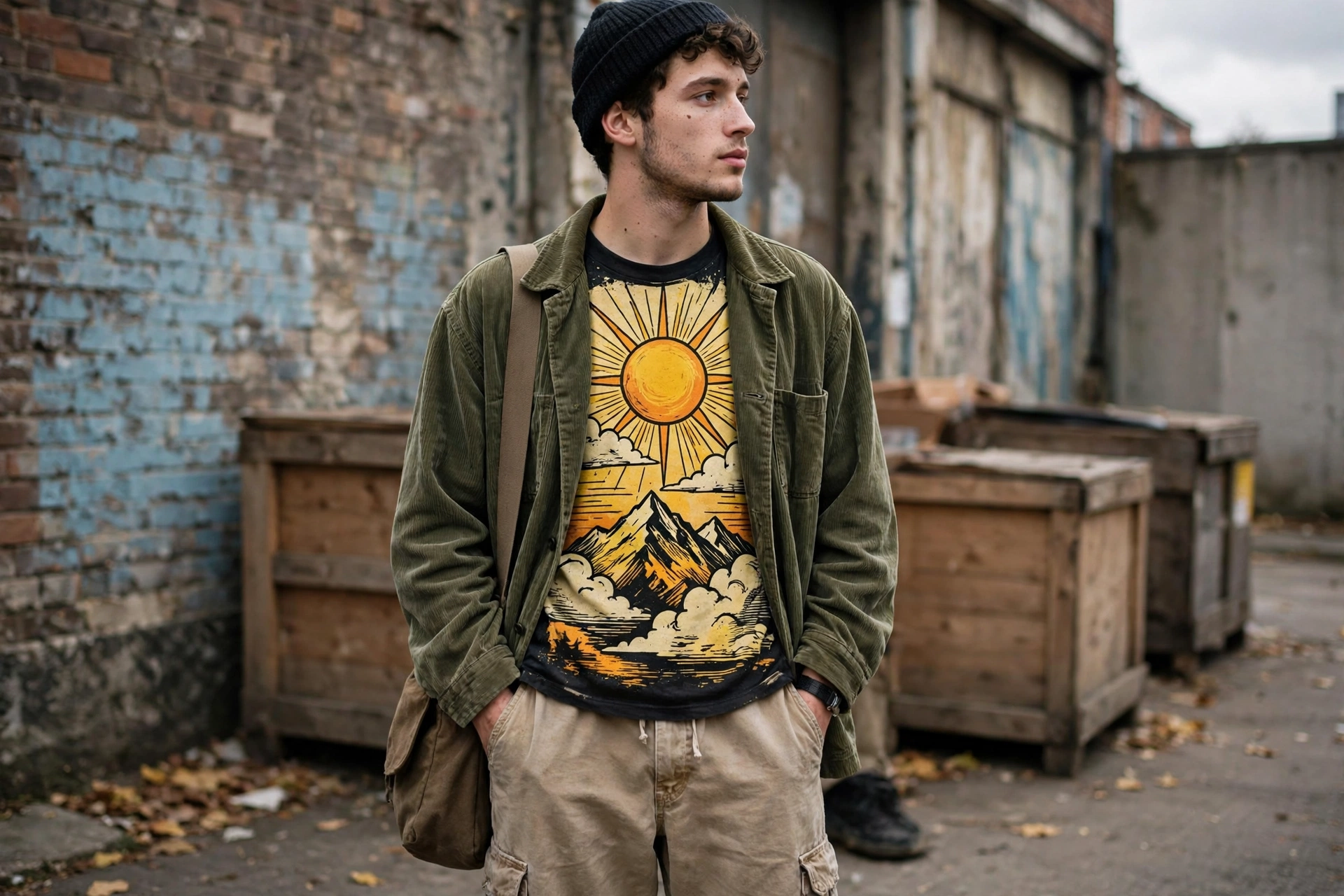
Retro graphics in 2026 draw on 1980s and 1990s sportswear, music merch, and vintage logos, and they work best as one focal piece in an otherwise simple outfit. A graphic tee with a faded print, a vintage-style track jacket, or a retro sneaker can anchor an outfit, but stacking several loud graphics at once makes the look busy. The current approach favors washed colors, slightly boxy vintage cuts, and prints that feel worn rather than brand new. Thrift shops and vintage stores are the best source for this style, because real vintage pieces carry the fade and fit that new copies try to imitate.
When buying retro pieces, check the fabric, the print quality, and the fit before buying. A good vintage tee uses heavy cotton, a print that has softened with wear, and a cut that sits at the waist rather than billowing. Pair it with modern trousers and clean sneakers to keep the outfit current, and avoid head-to-toe vintage, which can look like a costume. Retro sneakers also follow the same rule: one retro pair, simple clothes, and no competing logos.
Quiet Streetwear and Minimal Branding
Quiet streetwear is the 2026 trend that replaces loud logos with heavy fabrics, clean cuts, and monochrome or neutral palettes. Quiet streetwear keeps the comfort and relaxed fits of classic streetwear, but removes visible branding and focuses on quality that shows in the fabric and construction. A heavy cotton hoodie, a clean oversized tee, straight trousers, and minimal sneakers form a quiet streetwear outfit that works in many settings, from casual workdays to evenings out.
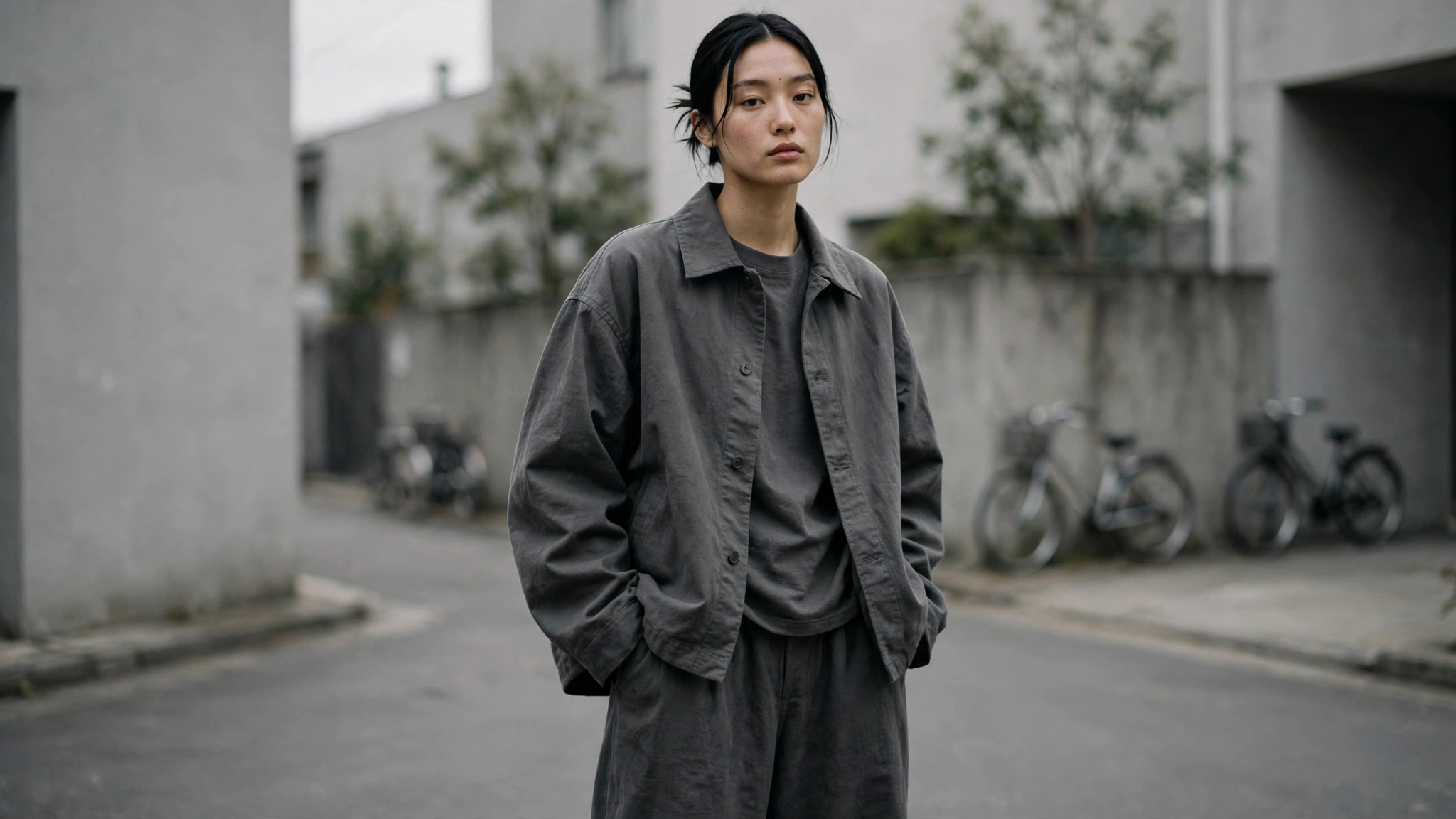
Quiet streetwear also ages better than logo-heavy pieces, because it does not depend on a brand moment that fades. The key is fabric weight: look for hoodies and tees in the 400 to 500 grams per square meter range, with ribbed cuffs that hold shape and seams that lie flat. Color choices stay simple, with black, white, grey, olive, and navy covering most outfits, and one muted accent at most. This approach also makes mixing easier, because every piece works with every other piece.
Building a Streetwear Outfit on a Budget
Building a streetwear outfit on a budget starts with thrift basics, adds one statement piece, and spends the most on shoes and outerwear that last. Thrift stores, outlet sales, and end-of-season clearances offer heavy tees, hoodies, and trousers at low prices, and those basics form the base of most outfits. One statement piece, such as a graphic tee, a technical shell, or a retro sneaker, then gives the outfit its character without requiring a full new wardrobe. Shoes and outerwear deserve the largest share of the budget, because cheap shoes wear out fast and cheap jackets lose shape quickly.
A simple budget plan works: start with 2 heavy tees, 1 hoodie, 1 pair of straight trousers, and 1 pair of clean sneakers, then add a jacket and a graphic piece over time. Wash cold, air dry when possible, and avoid over-washing graphic prints to keep them looking good longer. Voice of Wave covers fashion trends alongside other practical guides for everyday readers.
Streetwear Mistakes to Avoid
Common streetwear mistakes include stacking too many oversized pieces, mixing several loud graphics, wearing fake logos, and choosing thin fabrics that lose shape. Oversized on oversized hides the body and looks messy, while multiple graphics compete for attention and weaken the outfit. Fake logos also undermine the look, because the fabric and print quality rarely match the original, and the piece wears out faster. Thin jersey tees and hoodies lose shape after a few washes, so fabric weight matters more than brand name.
Other mistakes include ignoring fit checks, wearing dirty or overly worn sneakers with a clean outfit, and buying a trend piece that does not fit the rest of the wardrobe. A good test before buying: the piece should work with at least 3 items already owned, and it should feel comfortable for a full day. If it only works for one outfit or one photo, it is not worth the money.
Conclusion
Streetwear trends in 2026 reward balance, quality, and personal taste over logo chasing. Oversized fits work when volume is controlled, gorpcore works when technical pieces are paired with urban basics, retro graphics work as a single focal point, and quiet streetwear works when fabric quality leads. Building a wardrobe from thrift basics, one statement piece, and durable shoes and outerwear gives the best value and the most outfit options. With those rules, streetwear stays comfortable, current, and personal, season after season.
Browse more style ideas on the Voice of Wave blog.
Frequently Asked Questions
What is streetwear style?
Streetwear style is casual clothing shaped by skate, surf, hip-hop, and youth culture, built around comfortable fits, graphic tees, hoodies, sneakers, and relaxed layering. It values comfort, attitude, and self-expression over formal structure.
What are the biggest streetwear trends in 2026?
The biggest streetwear trends in 2026 are oversized fits with balanced volume, gorpcore technical outerwear, retro graphics and vintage fits, and quiet streetwear with minimal branding. Each trend favors quality fabrics and simple color palettes.
How do you style oversized clothes without looking messy?
Style oversized clothes by pairing one oversized piece with slimmer items, keeping the color palette simple, and checking fit at the shoulders, hem, and sleeves. Heavy fabrics hold structure better than thin jersey, which helps the outfit look intentional.
What is gorpcore fashion?
Gorpcore fashion brings outdoor and trail gear into city outfits, using technical shells, cargo pockets, trail sneakers, and functional details as style choices. The look works best with one technical focus piece paired with clean urban basics.
Is quiet streetwear still streetwear?
Yes, quiet streetwear is still streetwear because it keeps the relaxed fits and comfort of classic streetwear while replacing loud logos with heavy fabrics, clean cuts, and neutral colors. It focuses on quality that shows in construction rather than branding.
How can I build a streetwear outfit on a budget?
Build a streetwear outfit on a budget by starting with thrift basics, adding one statement piece, and spending the most on shoes and outerwear that last. A base of heavy tees, a hoodie, straight trousers, and clean sneakers covers most outfits.