


Introduction
Women’s health surgery covers operations on the uterus, ovaries, fallopian tubes, cervix, vagina and pelvic floor, and it treats fibroids, endometriosis, heavy bleeding, prolapse, ovarian cysts and gynecologic cancer. The most common operation is hysterectomy, with about 600,000 performed each year in the United States (Source: CDC, 2022). Most procedures today use small incisions and a camera, which shortens hospital stays and speeds healing.
Women’s health surgery is a broad field, and this guide covers it in one place: the conditions that lead to surgery, the 6 most common procedures, the 3 surgical approaches, preparation, the day of surgery, recovery timelines, risks, warning signs and surgeon choice. Surgery is usually one option among several, and it often follows months of medicine, watchful waiting or less invasive treatment. The right choice depends on the diagnosis, the severity of symptoms, age, fertility plans and overall health. This guide gives plain facts and sourced numbers, so a reader can walk into a consult with clear questions and realistic expectations.
Key Takeaways
- Women’s health surgery treats fibroids, endometriosis, heavy bleeding, prolapse, cysts and gynecologic cancer when medicine alone cannot fix the problem.
- Hysterectomy is the most common operation, with about 600,000 performed each year in the United States (Source: CDC, 2022).
- Laparoscopic and robotic approaches use small incisions, which means less pain, shorter hospital stays and faster return to daily life than open surgery.
- Most women return to light activity in 1 to 2 weeks and to full activity in 4 to 6 weeks, with timing set by the procedure and the surgical approach.
- Fever, heavy bleeding, severe pain, chest pain or trouble breathing after surgery need same-day medical care.
- A second opinion is a normal step before any planned operation, and it often confirms the plan or opens a less invasive option.
Table of Contents
- What Is Women’s Health Surgery?
- What Conditions Lead to Women’s Health Surgery?
- What Are the 6 Most Common Women’s Health Surgery Procedures?
- Open Surgery vs Laparoscopic Surgery vs Robotic Surgery: Which Approach Fits?
- How Do You Prepare for Women’s Health Surgery?
- What Happens on the Day of Surgery?
- What Is Recovery Like After Women’s Health Surgery?
- What Are the Risks and Side Effects of Women’s Health Surgery?
- When Should You Call Your Doctor After Surgery?
- How Do You Choose the Right Surgeon?
- Conclusion
- Women’s Health Surgery: Frequently Asked Questions
What Is Women’s Health Surgery?
Women’s health surgery is surgery on the female reproductive organs and pelvic floor, performed by a gynecologic surgeon to diagnose or treat conditions that medicine alone cannot fix. It covers 4 main groups: uterine surgery, ovarian and tubal surgery, cervical and vaginal surgery, and pelvic floor repair. The same operation can be done through open, laparoscopic, vaginal or robotic routes.
Women’s health surgery is also called gynecologic surgery. A gynecologic surgeon is a doctor trained in obstetrics and gynecology who performs operations on the reproductive system. This surgery differs from obstetric surgery, which covers pregnancy and childbirth, such as a cesarean section. Women’s health surgery treats disease, pain, bleeding and structural problems in women who are not pregnant, and it also covers preventive operations for women at high risk of cancer.
Some procedures are diagnostic, such as a laparoscopy that looks inside the pelvis to find the cause of pain. Others are therapeutic, such as removing fibroids or the uterus. Some are minor and take under 30 minutes in an outpatient center, while others are major operations with several days in hospital. The setting, the anesthesia and the recovery time all follow from the procedure and the approach. For more practical guides in the same category, browse the Health guides on this site.
What Conditions Lead to Women’s Health Surgery?
Six conditions lead to most women’s health surgery: uterine fibroids, endometriosis, heavy menstrual bleeding, pelvic organ prolapse, ovarian cysts and gynecologic cancer or precancer. Surgery is usually recommended when symptoms disrupt daily life and medicine, watchful waiting or less invasive treatment has not fixed the problem.
Uterine fibroids are noncancerous growths in the wall of the uterus. Fibroids cause heavy bleeding, pelvic pressure, frequent urination and pain, and they are the most common reason for hysterectomy. Endometriosis is tissue like the lining of the uterus growing outside the uterus, and it causes severe period pain, pain during sex and fertility problems. Heavy menstrual bleeding soaks through pads or tampons every hour, lasts more than 7 days, or passes large clots, and it can cause anemia and fatigue.
Pelvic organ prolapse is the sagging of the uterus, bladder or rectum into the vagina when pelvic floor muscles weaken, often after childbirth. Ovarian cysts are fluid-filled sacs on the ovary, and most are harmless, but large, painful or suspicious cysts need surgery. Gynecologic cancer and precancer of the cervix, uterus or ovaries need surgery as the main treatment, and about 10% of hysterectomies are performed for cancer. Surgery is a last resort for benign conditions, and it is the first-line treatment for most gynecologic cancers.
What Are the 6 Most Common Women’s Health Surgery Procedures?
The 6 most common women’s health surgery procedures are hysterectomy, myomectomy, laparoscopy, hysteroscopy, endometrial ablation, and oophorectomy with salpingectomy. Each procedure treats a different problem, and each one has its own recovery time, fertility effect and risk profile.
Hysterectomy
A hysterectomy is the surgical removal of the uterus, and it is the most common women’s health surgery in the United States. About 600,000 hysterectomies are performed each year in the United States, making it the most common non-obstetric surgical procedure among women (Source: CDC, 2022). About 14.6% of women aged 18 and older in the United States had ever had a hysterectomy in 2021 (Source: NCHS Data Brief No. 494, 2024). Nearly 68% of hysterectomies are performed for endometriosis, irregular bleeding and uterine fibroids (Source: Wikipedia, 2026). A total hysterectomy removes the uterus and cervix, while a supracervical hysterectomy leaves the cervix in place. A radical hysterectomy removes the uterus, cervix, part of the vagina and nearby tissue, and it is used for cancer. Read the clinical overview of hysterectomy for the full list of types, indications and long-term effects. Hysterectomy ends periods and ends the ability to carry a pregnancy, so it is a permanent decision for women who may still want children.
Myomectomy
A myomectomy removes uterine fibroids while leaving the uterus in place, and it is the main surgical option for women who want to keep their fertility. The surgeon cuts out each fibroid and repairs the wall of the uterus. Myomectomy is done through 3 routes: hysteroscopic myomectomy through the vagina and cervix for fibroids inside the uterine cavity, laparoscopic myomectomy through small abdominal incisions, and open abdominal myomectomy for large or numerous fibroids. Myomectomy relieves heavy bleeding and pressure, and it preserves the chance of pregnancy, but fibroids can grow back, and a later pregnancy may need a cesarean section if the uterine wall was cut deeply.
Laparoscopy
Laparoscopy is surgery through small incisions of 0.5 to 1.5 cm, using a camera called a laparoscope to see inside the abdomen and pelvis (Source: Wikipedia, 2026). Diagnostic laparoscopy finds the cause of pelvic pain, infertility or suspected endometriosis. Operative laparoscopy treats the problem in the same session: it removes endometriosis tissue, ovarian cysts, scar tissue or an ectopic pregnancy. Laparoscopy is also the route for many hysterectomies and myomectomies. The abdomen is filled with carbon dioxide gas to create space to work, and the gas is released at the end. Read the overview of laparoscopy to learn how the camera, instruments and gas system work together.
Hysteroscopy
Hysteroscopy is a procedure that passes a thin, lighted tube called a hysteroscope through the vagina and cervix into the uterus, and it needs no incision at all. Diagnostic hysteroscopy finds the cause of abnormal bleeding, repeated miscarriage or infertility. Operative hysteroscopy removes polyps, small fibroids and scar tissue, and it can also remove a misplaced intrauterine device. Hysteroscopy is usually an outpatient procedure with same-day discharge, and most women return to normal activity within 1 to 2 days.
Endometrial Ablation
Endometrial ablation destroys the lining of the uterus with heat, cold, radiofrequency energy or a heated balloon, and it treats heavy menstrual bleeding without removing the uterus. Endometrial ablation greatly reduces or ends monthly bleeding in 90% of patients with dysfunctional uterine bleeding (Source: Wikipedia, 2026). The procedure takes about 30 minutes, needs no incision, and most women go home the same day. Ablation is only an option for women who do not want future pregnancy, because pregnancy after ablation carries serious risk, and it is not a treatment for fibroids larger than a certain size or for cancer.
Oophorectomy and Salpingectomy
An oophorectomy removes one or both ovaries, and a salpingectomy removes one or both fallopian tubes, and the two operations are often done together with a hysterectomy. Reasons include ovarian cysts, ovarian cancer, endometriosis, high genetic risk of ovarian cancer, and ectopic pregnancy in a fallopian tube. Removing both ovaries before natural menopause causes surgical menopause: estrogen falls sharply, and hot flashes, night sweats, mood changes and bone loss follow. Hormone replacement therapy is often discussed after this operation, and the choice depends on age, cancer risk and symptoms.
Two more procedures appear often in women’s health surgery. Dilation and curettage, known as D and C, scrapes or suctions tissue from inside the uterus to diagnose abnormal bleeding or to clear tissue after a miscarriage. Pelvic floor repair, such as anterior and posterior colporrhaphy, lifts and tightens the walls of the vagina to fix prolapse and bladder leakage.
Open Surgery vs Laparoscopic Surgery vs Robotic Surgery: Which Approach Fits?
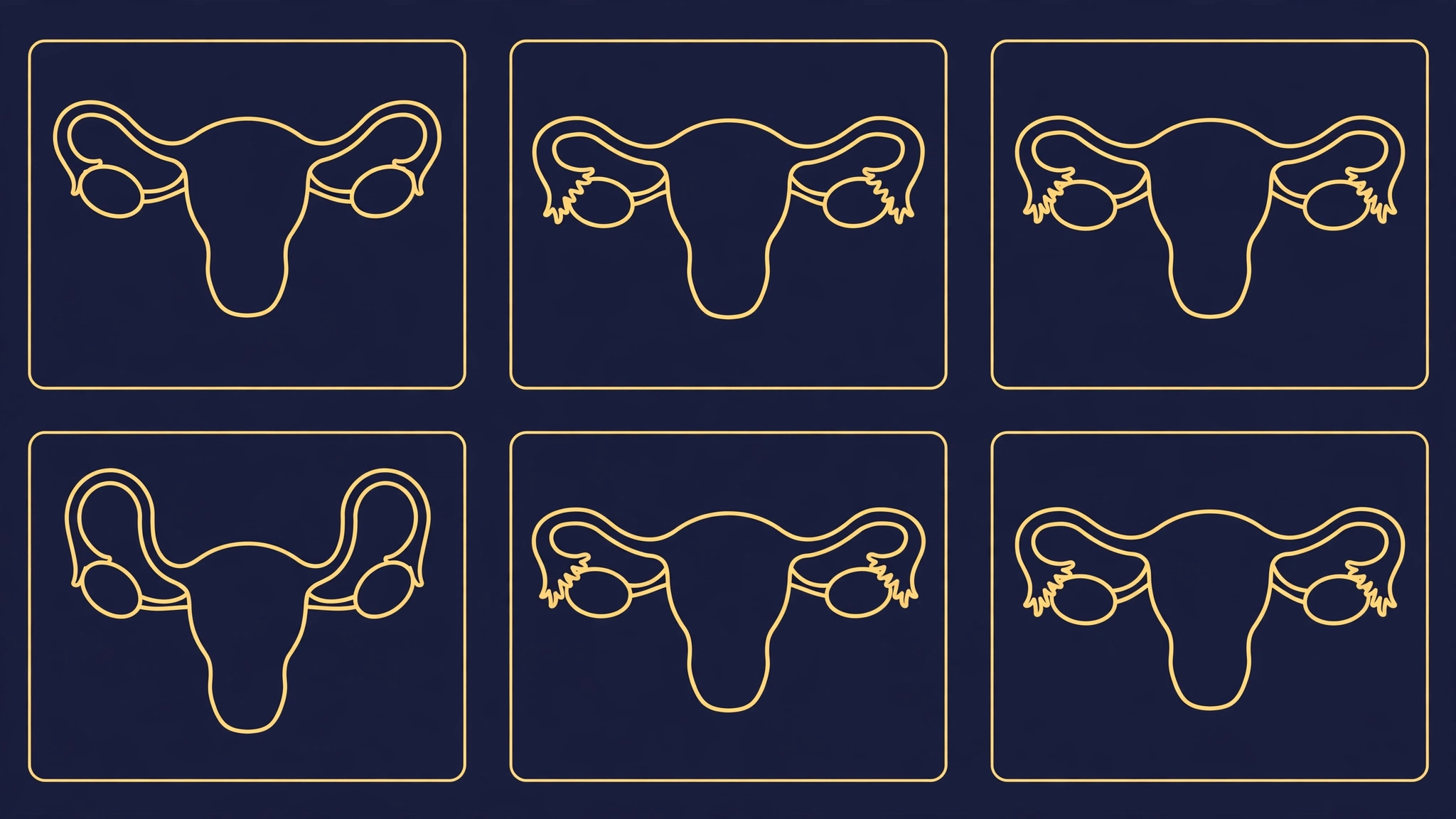
Open surgery uses one large abdominal incision, laparoscopic surgery uses 3 to 4 small incisions with a camera, and robotic surgery uses small incisions with instruments guided by the surgeon from a console. Laparoscopic and robotic approaches mean less pain, less bleeding, shorter hospital stays and faster recovery, while open surgery fits large fibroids, large cancers and complex scar tissue.
| Factor | Open surgery | Laparoscopic surgery | Robotic surgery |
|---|---|---|---|
| Incision | One cut of 15 to 30 cm | 3 to 4 cuts of 0.5 to 1.5 cm | 3 to 5 cuts of 0.5 to 1.5 cm |
| Hospital stay | 3 to 5 days | Same day to 2 days | Same day to 2 days |
| Return to light activity | 4 to 6 weeks | 1 to 2 weeks | 1 to 2 weeks |
| Return to full activity | 6 to 8 weeks | 4 to 6 weeks | 4 to 6 weeks |
| Pain and scarring | More pain, larger scar | Less pain, small scars | Less pain, small scars |
| Best for | Large uterus, large cancer, dense scar tissue | Fibroids, cysts, endometriosis, most hysterectomies | Complex hysterectomy, endometriosis, cancer staging |
| Main drawback | Longer recovery, higher wound infection risk | Needs surgeon skill with camera tools | Higher cost, longer operating time, limited availability |
Hospital stay is 3 to 5 days or more for the abdominal procedure and 1 to 2 days for vaginal or laparoscopically assisted vaginal procedures (Source: Wikipedia, 2026). Wound infection occurs in about 3% of abdominal hysterectomy cases (Source: Wikipedia, 2026). Open surgery gives the surgeon a direct view and full hand access, which matters when the uterus is very large or cancer has spread. Laparoscopic surgery trades hand access for a magnified camera view, and robotic surgery adds wristed instruments that turn further than a human hand, which helps in tight pelvic spaces. The choice of approach is a decision for the surgeon and the patient together, and it depends on the size of the problem, prior operations, body weight and the surgeon’s training.
How Do You Prepare for Women’s Health Surgery?
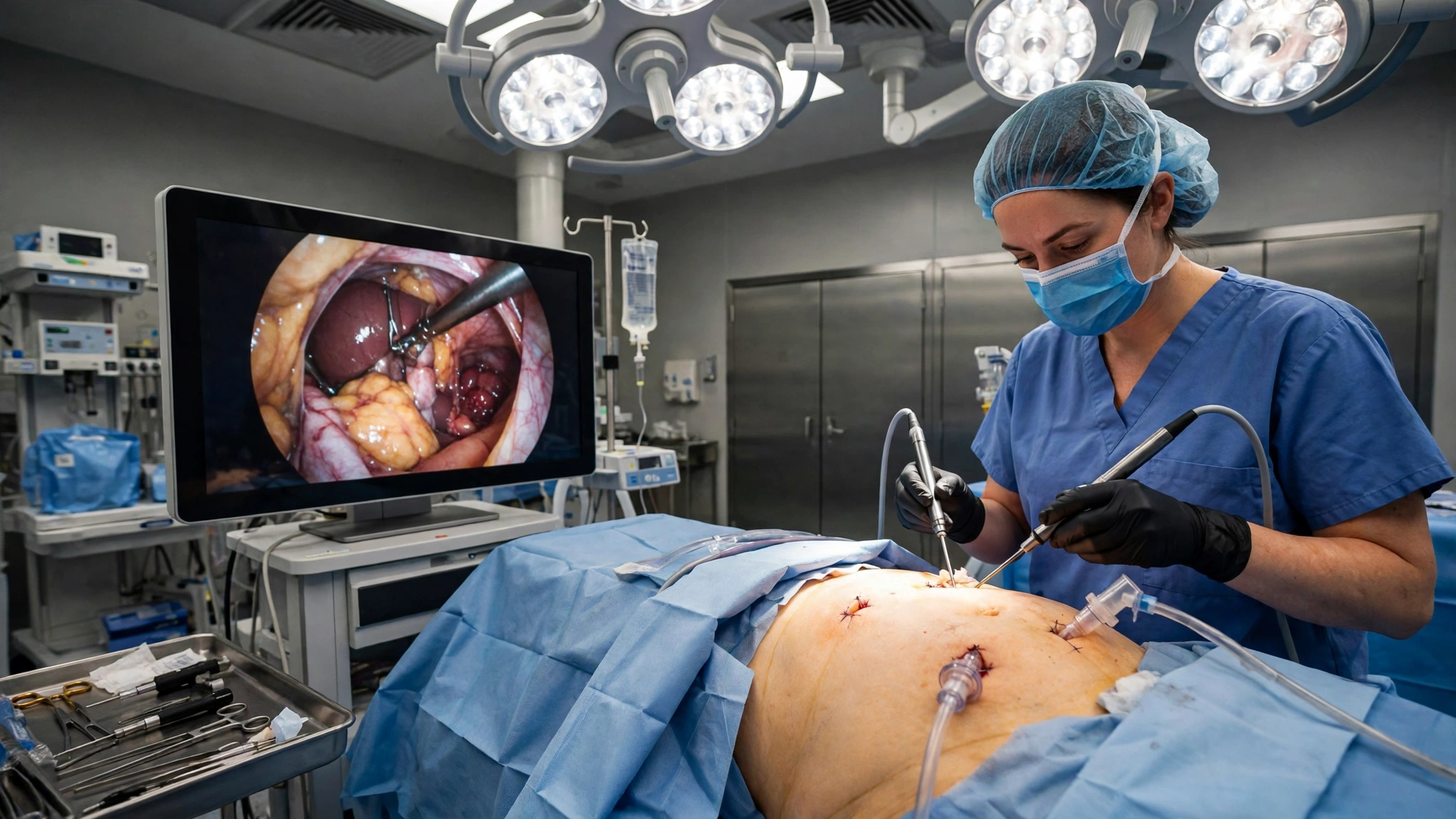
To prepare for women’s health surgery, complete pre-operative tests, adjust medicines as directed, arrange a ride home and home help, and set up a recovery space before the operation day. Good preparation cuts delays, lowers complication risk and makes the first week at home easier.
- Attend the pre-operative visit: bring a list of medicines, supplements, allergies and prior operations.
- Complete blood tests and checks: blood count, pregnancy test where relevant, ECG or chest X-ray if age or health requires it.
- Stop blood-thinning medicines as directed: your surgeon gives the exact stop date for aspirin, ibuprofen and supplements.
- Stop smoking at least 4 weeks before surgery: smoking slows wound healing and raises infection risk.
- Follow the fasting rule: no food or drink after midnight, or as the anesthesia team directs.
- Arrange a ride and a helper: you cannot drive after anesthesia, and you need help at home for 3 to 7 days.
- Set up a recovery corner: clean sheets, water bottle, medicines, phone charger and loose clothing within reach.
- Ask for the cost and insurance check: confirm the hospital, surgeon and anesthesia are in network, and ask what the patient share will be.
A printed list of questions for the surgeon visit keeps the consult on track, and in my own work on health guides, the readers who write their questions down get clearer answers about recovery time and fertility effects than those who rely on memory. Bring the list to the visit, and write the answers on it. Ask about the approach, the expected hospital stay, the fertility effect, the hormone effect, and what help you will need at home.

What Happens on the Day of Surgery?
On the day of surgery, you check in, meet the anesthesia team, receive general or regional anesthesia, and wake in a recovery room where nurses watch pain, bleeding, blood pressure and heart rate. Most laparoscopic and vaginal procedures finish in 1 to 3 hours, and many patients go home the same day.
Check-in takes 1 to 2 hours before the operation. Nurses confirm identity, allergies, fasting status and consent, and they place an IV line. The anesthesia team explains the plan: general anesthesia puts you fully to sleep, while regional anesthesia numbs the lower body. The surgeon marks the site, and the operating team runs a safety checklist. During the operation, the team monitors heart rate, blood pressure, oxygen and temperature. After the operation, you wake in the recovery room, where nurses check pain, bleeding, urine output and nausea. Discharge needs steady blood pressure and heart rate, controlled pain, the ability to pass urine, and a responsible adult to take you home. Overnight stay follows when the operation was open surgery, when bleeding needs watching, or when pain control needs IV medicine.
Read our Postpartum Recovery guide for healing timelines after childbirth surgery and C-section care.
What Is Recovery Like After Women’s Health Surgery?
Recovery after women’s health surgery takes 1 to 2 weeks for light activity and 4 to 6 weeks for full activity after most laparoscopic procedures, and 6 to 8 weeks after open abdominal surgery. Walking starts the same day, pain eases over the first week, and the 6-week checkup clears the return to exercise, lifting and sex.
| Procedure | Hospital stay | Light activity | Full activity |
|---|---|---|---|
| Diagnostic laparoscopy | Same day | 2 to 3 days | 1 to 2 weeks |
| Hysteroscopy | Same day | 1 to 2 days | 1 week |
| Endometrial ablation | Same day | 1 to 2 days | 1 to 2 weeks |
| Laparoscopic hysterectomy | 1 to 2 days | 2 weeks | 6 weeks |
| Abdominal hysterectomy | 3 to 5 days | 4 to 6 weeks | 6 to 8 weeks |
| Laparoscopic myomectomy | Same day to 2 days | 2 weeks | 4 to 6 weeks |
| Oophorectomy with salpingectomy | 1 to 2 days | 2 weeks | 4 to 6 weeks |
Recovery follows a clear pattern. Week 1 brings soreness, fatigue and light bleeding or discharge, and short walks several times a day prevent blood clots. Week 2 to 3 brings steadier energy and less pain, and most women return to desk work. Week 4 to 6 brings a return to driving, light exercise and household tasks. The American College of Obstetricians and Gynecologists recommends not inserting anything into the vagina for the first 6 weeks after hysterectomy, including tampons and sex (Source: American College of Obstetricians and Gynecologists, 2026). Heavy lifting, running and core exercise wait for the 6-week checkup. Pelvic floor exercises, known as Kegels, start when the surgeon clears them, and they rebuild the muscles that support the bladder and vagina. Sleep, protein-rich food and water support tissue repair, and pain medicine works best when taken on schedule in the first days.

What Are the Risks and Side Effects of Women’s Health Surgery?
The risks of women’s health surgery are infection, bleeding, blood clots, injury to nearby organs, anesthesia problems, scar tissue and hormone changes, and most are uncommon and treatable when caught early. The risk level depends on the procedure, the approach, age, weight and existing health problems.
Wound infection occurs in about 3% of abdominal hysterectomy cases (Source: Wikipedia, 2026). Ureter injury, damage to the tube that carries urine from kidney to bladder, occurs in 0.2 per 1,000 cases of vaginal hysterectomy and 1.3 per 1,000 cases of abdominal hysterectomy (Source: Wikipedia, 2026). Small bowel obstruction from scar tissue, known as adhesions, occurred in 15.6% of non-laparoscopic total abdominal hysterectomies versus 0.0% in laparoscopic hysterectomies in one review (Source: Wikipedia, 2026). Blood clots in the legs or lungs are a risk after any pelvic surgery, and walking, leg pumps and blood-thinning medicine lower that risk.
Hormone effects follow when ovaries are removed or their blood supply is disturbed. The average onset age of menopause after hysterectomy with ovarian conservation is 3.7 years earlier than average (Source: Wikipedia, 2026). About 35% of women after hysterectomy undergo another related surgery within 2 years (Source: Wikipedia, 2026). Long-term effects include a doubled risk of urinary incontinence within 20 years after hysterectomy, and a doubled rate of vaginal prolapse (Source: Wikipedia, 2026). Most women report better quality of life after surgery for benign conditions, with less pain and bleeding, and a smaller share report worse sexual function or ongoing pelvic pain. Every risk in this section deserves a direct question at the consult, because the surgeon can give a personal risk figure based on age, weight and medical history.
When Should You Call Your Doctor After Surgery?
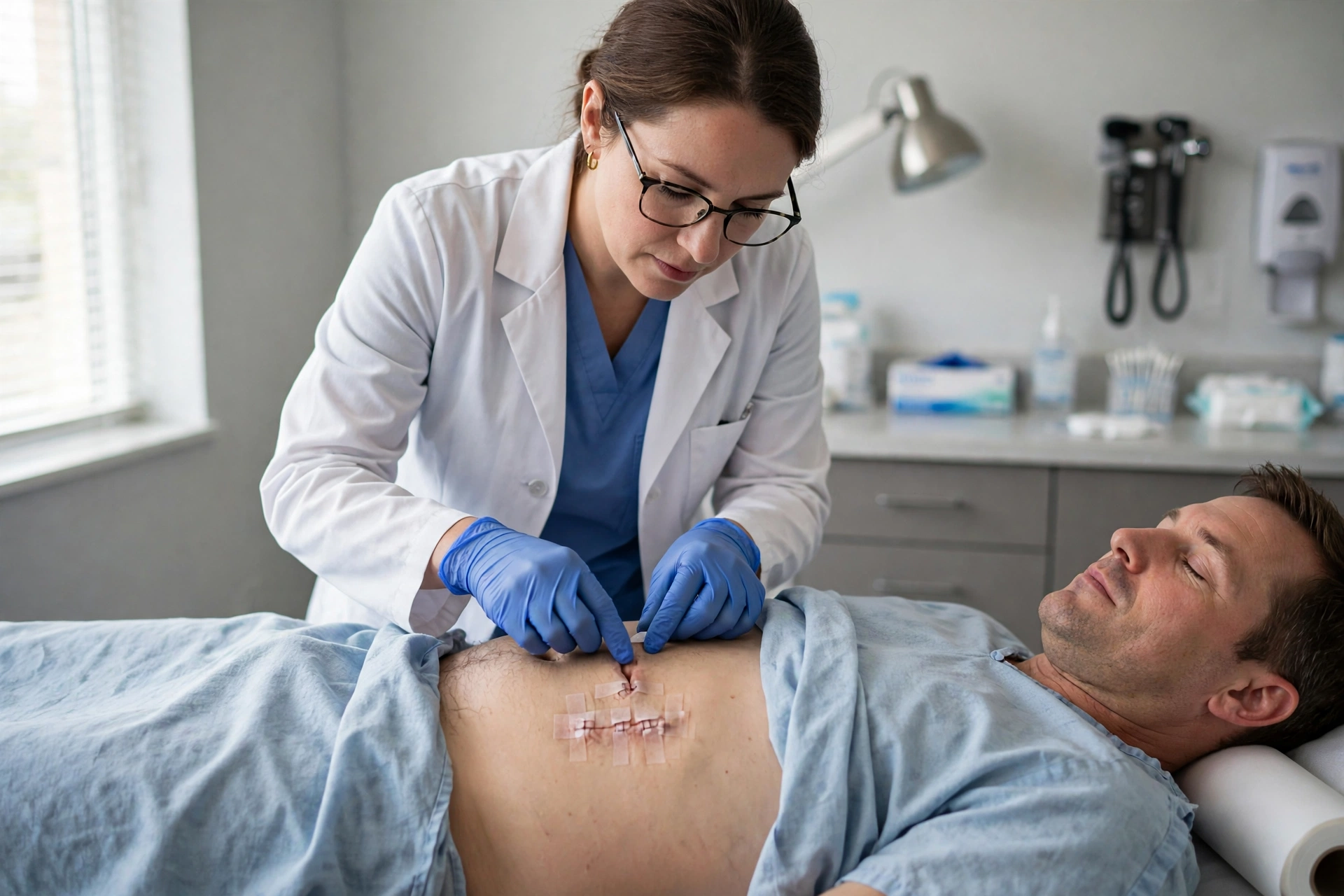
Call your doctor the same day for fever, heavy bleeding, severe pain, foul-smelling discharge, leg swelling or inability to pass urine, and call emergency services at once for chest pain, trouble breathing, or signs of heavy internal bleeding. Mild soreness, light bleeding and tiredness in the first week are normal, and the signs in this table are not.
| Warning sign | Threshold or detail | Action |
|---|---|---|
| Fever | 100.4 F (38 C) or higher | Call your doctor the same day |
| Heavy bleeding | Soaking a pad every hour for 2 or more hours, or passing large clots | Emergency care now |
| Severe pain | Pain that grows worse instead of better, or pain not controlled by prescribed medicine | Call your doctor the same day |
| Wound problems | Redness spreading from the incision, swelling, discharge, or an opening wound | Same-day evaluation |
| Leg symptoms | One leg swollen, red, warm or painful | Same-day evaluation: possible blood clot |
| Chest pain or trouble breathing | Any new onset after surgery | Emergency care now |
| Urinary problems | Cannot pass urine, or burning with fever | Call your doctor the same day |
| Vomiting | Cannot keep fluids down for more than 12 hours | Call your doctor the same day |
| Mood changes | Thoughts of harming yourself | Emergency care or crisis line now |
Keep the surgeon’s after-hours number and the hospital number on the fridge before the operation, and save them in your phone. A family member should know the warning signs too, because the patient may be too tired or in too much pain to judge them clearly in the first days.
How Do You Choose the Right Surgeon?
Choose a surgeon who performs your exact procedure often, explains the approach and the alternatives in plain language, answers questions about risks and recovery, and welcomes a second opinion. Surgeon experience with your specific operation matters more than the hospital name or the size of the practice.
Ask these 7 questions at the consult: how many of these procedures have you performed in the last year, which approach do you recommend for my case and why, what are the alternatives to surgery, what is the expected hospital stay and recovery time, how will this affect my fertility and hormones, what are the most common complications in your patients, and what should I expect at the 6-week checkup. A clear answer to each question is a good sign. Vague answers, pressure to decide on the spot, or refusal to discuss a second opinion are warning signs.
A second opinion is a normal step before any planned operation, and it often confirms the plan or opens a less invasive option. Bring the same question list to the second consult, and compare the two plans side by side. Check that the surgeon is board-certified in obstetrics and gynecology, and ask whether a fellowship in minimally invasive gynecologic surgery or gynecologic oncology fits the case. Insurance networks, hospital location and operating schedules matter too, but they come after skill and fit.
Conclusion
Women’s health surgery covers operations on the uterus, ovaries, fallopian tubes, cervix, vagina and pelvic floor, and it treats fibroids, endometriosis, heavy bleeding, prolapse, ovarian cysts and gynecologic cancer. Hysterectomy is the most common operation, with about 600,000 performed each year in the United States (Source: CDC, 2022). Most procedures today use small incisions and a camera, which shortens hospital stays and speeds healing, and the choice of procedure and approach depends on the diagnosis, symptoms, age and fertility plans. Preparation, a clear recovery plan and knowledge of warning signs turn a stressful operation into a managed one, and a second opinion is always a reasonable step before planned surgery. Voice of Wave covers practical health guides in this style.
Explore more health guides: Browse the latest articles on Voice of Wave Blog for practical health, recovery and wellness planning.
FAQs
How long does recovery take after women’s health surgery?
Recovery takes 1 to 2 weeks for light activity and 4 to 6 weeks for full activity after most laparoscopic procedures, and 6 to 8 weeks after open abdominal surgery. Walking starts the same day, desk work returns in 2 to 3 weeks, and the 6-week checkup clears exercise, lifting and sex. The exact time depends on the procedure.
Is women’s health surgery safe?
Yes, women’s health surgery is safe for most patients when performed by a trained gynecologic surgeon in a proper hospital setting. Serious complications are uncommon: wound infection occurs in about 3% of abdominal hysterectomy cases (Source: Wikipedia, 2026). Risks rise with age, obesity, diabetes, smoking and prior abdominal surgery, so the surgeon gives a personal risk figure at the consult.
Will I go through menopause after a hysterectomy?
No, not always. A hysterectomy that leaves the ovaries in place does not cause immediate menopause, but the average onset age of menopause is 3.7 years earlier than average after hysterectomy with ovarian conservation (Source: Wikipedia, 2026). Removing both ovaries causes surgical menopause at once, with hot flashes, night sweats and bone loss, and hormone replacement therapy is often discussed.
What is the difference between a myomectomy and a hysterectomy?
A myomectomy removes uterine fibroids while leaving the uterus in place, and it preserves the chance of pregnancy, but fibroids can grow back. A hysterectomy removes the uterus itself, which ends periods and the ability to carry a pregnancy, and it is the only permanent treatment for fibroids. The choice depends on fertility plans, fibroid size and symptom severity.
Can women’s health surgery affect fertility?
Yes, some procedures affect fertility and some do not. Hysterectomy ends the ability to carry a pregnancy, and removing both ovaries or both fallopian tubes ends natural conception. Myomectomy, laparoscopy for endometriosis and hysteroscopy can improve fertility by removing the problem, and endometrial ablation is not an option for women who want future pregnancy. Discuss fertility plans before any operation.
When can I return to work after gynecologic surgery?
Most women return to desk work in 2 to 3 weeks after laparoscopic surgery and in 4 to 6 weeks after open abdominal surgery. Jobs that need lifting, standing all day or physical effort need 6 to 8 weeks, and the surgeon clears the return at the 6-week checkup. Fatigue is normal, so a phased return helps.