
Last updated: October 2026
Written by James Carter for Voice of Wave
Introduction
Professional facials are in-clinic skincare treatments that cleanse, exfoliate, extract, massage and hydrate the face in one planned session, and they suit readers who want care that goes past a home routine. Professional facials give skin a deeper cleanse, targeted exfoliation and hydration in a single 60 to 90 minute session, and most people repeat them every 4 to 6 weeks to keep results steady. A professional facial works through 6 steps: consultation, cleansing, steam, exfoliation, extraction, and mask plus massage and sun protection. The main benefits are clearer pores, smoother texture, added moisture and a calmer, more even look. Professional facials fit 5 common goals: deep cleansing, hydration, anti-aging care, brightening and calming sensitive skin. This guide covers the session steps, the 7 main facial types, a skin-type match, frequency, cost, aftercare and risks, so you can book with a clear plan.
Key Takeaways
- Professional facials follow 6 steps: consultation, cleansing, steam, exfoliation, extraction, and mask plus massage and sun protection.
- Most people book professional facials every 4 to 6 weeks, with acne care sometimes needing closer spacing at first.
- Costs run from $75 to over $300 per session, and the facial type, session length and clinic location set the price.
- A gentle routine for 48 hours after a facial protects results: mild cleanser, moisturizer, sunscreen, no harsh acids or scrubs.
- Tell the esthetician about retinoids, prescription creams, allergies and skin conditions first.
- Professional facials support a daily routine, not medical care for severe acne, eczema or rosacea.
Table of Contents
- What Are Professional Facials?
- What Happens During a Professional Facial?
- What Are the 7 Main Types of Professional Facials?
- Which Facial Fits Your Skin Type?
- How Often Should You Get Professional Facials?
- How Much Do Professional Facials Cost?
- What Should You Do Before and After a Facial?
- What Are the Risks, and Who Should Skip a Facial?
- How Do Professional Facials Fit a Daily Skincare Routine?
- Conclusion
- Frequently Asked Questions
What Are Professional Facials?
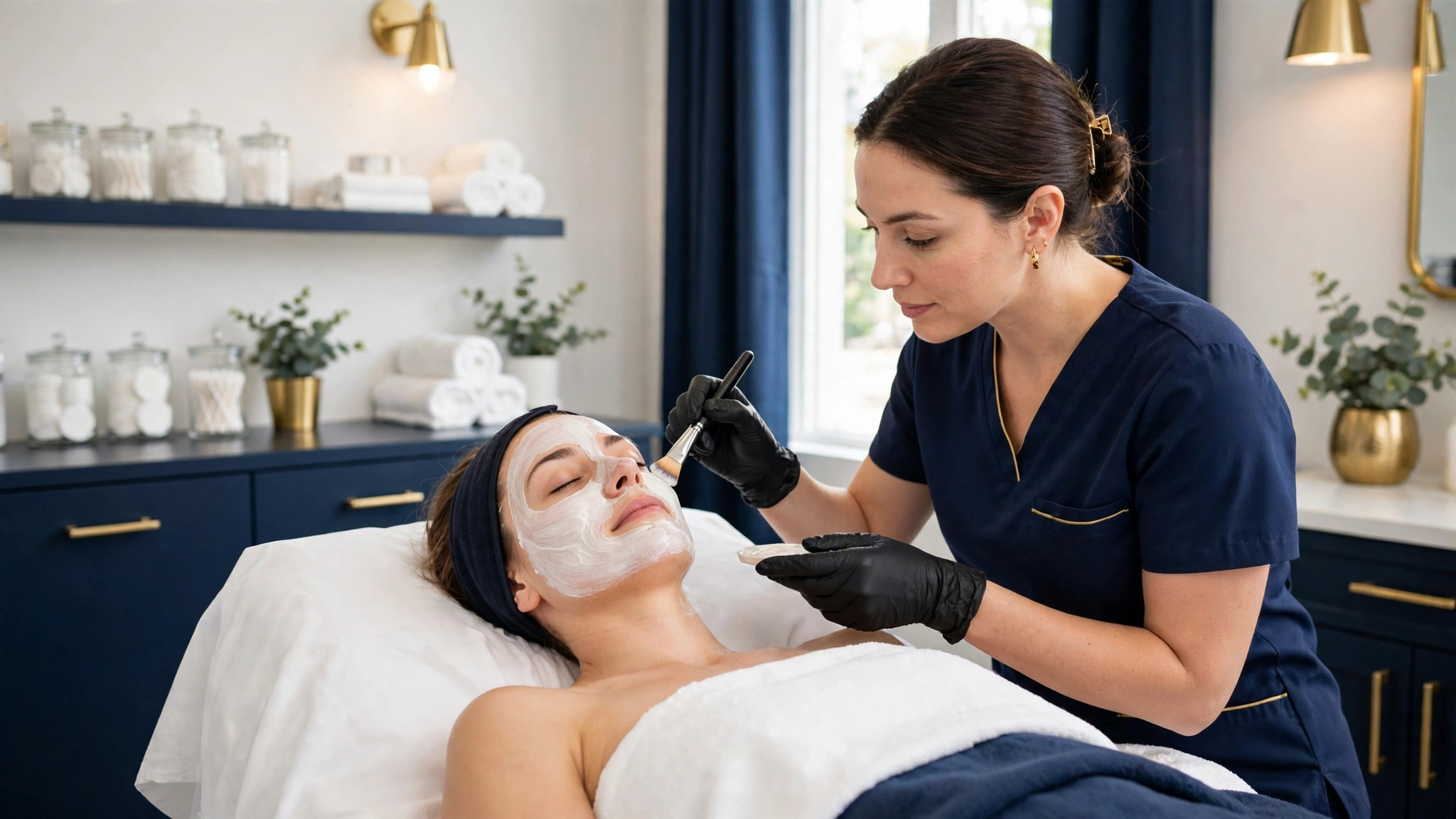
Professional facials are skincare treatments for the face that a trained esthetician or dermatologist performs in a clinic or spa, using steam, exfoliation, extraction, creams, masks, peels and massage. A facial is a family of skincare treatments for the face, and the treatment family covers general skin health and set skin conditions, as described on the facial treatments page. A home routine cleans the surface each day, while a professional facial adds trained hands, stronger products, steam to soften pores, and manual extraction.
A professional facial has 3 parts: assessment of skin type, oil level, redness and breakouts; treatment through cleansing, exfoliation and extraction; and care with masks, serums, massage and sunscreen. One session lasts 60 to 90 minutes, and a short express facial lasts 30 minutes.
Professional facials differ from medical procedures in scope: a facial works on the surface layers of skin, while laser resurfacing, injectables and prescription peels sit in medical care. Voice of Wave covers health topics like this one in its Health section.
Quotable: Professional facials combine assessment, treatment and aftercare in one session, and that planned order sets them apart from a home routine.
What Happens During a Professional Facial?
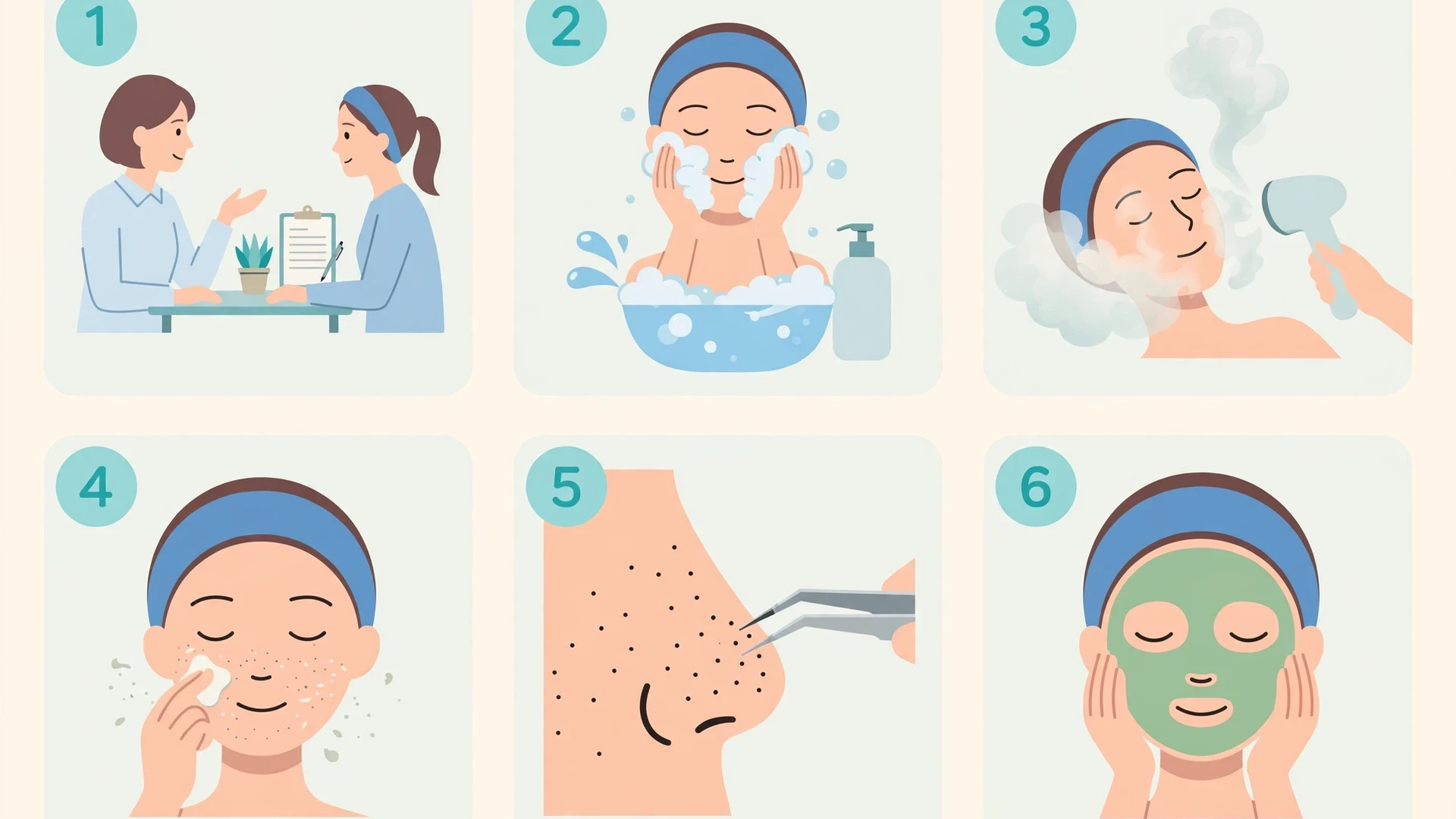
A professional facial follows 6 steps in order: consultation, cleansing, steam, exfoliation, extraction, and mask plus massage and sun protection.
- Consult the esthetician on skin type, goals, allergies and current products.
- Cleanse the face twice to remove makeup, oil and surface dirt.
- Apply steam for a few minutes to soften pores and loosen buildup.
- Exfoliate with a scrub, enzyme or mild acid to lift dead skin cells.
- Extract blackheads and clogged pores by hand, with gentle pressure only.
- Apply a mask matched to skin type, then massage and finish with serum, moisturizer and sunscreen.
Consultation sets the whole session: bring a list of products you use, plus any prescription creams. Steam then softens the top layer, and that softening makes extraction gentler.
Exfoliation removes dead cells from the surface, using fine grains or acids such as glycolic acid or salicylic acid. Extraction clears pores that cleansing leaves blocked, and a skilled esthetician stops when skin shows redness. The mask step then calms skin and adds moisture, massage closes the session, and sunscreen finishes it, since fresh exfoliation leaves skin more sun-sensitive.
A practical note from experience: skin often looks calmest the morning after a facial, not right after it, once mild redness has settled. Plan a facial 3 to 5 days before a big event, not the day before.
Quotable: A professional facial follows the same 6 steps in every good clinic, and consultation is the step that shapes all 5 that follow.
What Are the 7 Main Types of Professional Facials?
The 7 main types of professional facials are classic, deep-cleansing, hydrating, anti-aging, brightening, calming, and HydraFacial, and each type targets one main skin goal. The table below sets each type against its goal, best skin type and downtime.
| Facial type | Main goal | Best for | Downtime |
|---|---|---|---|
| Classic (European) | Cleanse, exfoliate, hydrate | Normal and combination skin | None to mild redness for hours |
| Deep-cleansing | Clear pores and blackheads | Oily and acne-prone skin | Mild redness for 1 day |
| Hydrating | Restore moisture | Dry and dehydrated skin | None |
| Anti-aging | Soften fine lines, firm skin | Mature skin | None to mild redness for hours |
| Brightening | Even tone, fade dark spots | Dull and uneven skin | None to mild redness for hours |
| Calming | Reduce redness and irritation | Sensitive and reactive skin | None |
| HydraFacial | Cleanse, extract and hydrate in one device-led session | Most skin types | None |
A classic facial suits a first visit: it covers all 6 steps with mild products. A deep-cleansing facial adds longer steam and more extraction time for oily skin, and a hydrating facial uses hyaluronic acid serums and rich masks for tight, flaky skin.
An anti-aging facial adds peptides, antioxidants and massage for the jaw and brow. A brightening facial uses vitamin C and niacinamide to even tone. A calming facial uses fragrance-free products, cool masks and short steam for skin that flushes with ease. A HydraFacial uses a device that cleanses, exfoliates, extracts and infuses serum in one pass, with no downtime.
Quotable: The 7 main types of professional facials cover one goal each, and the right type follows from skin type and goal.
Which Facial Fits Your Skin Type?
Oily skin fits a deep-cleansing facial, dry skin fits a hydrating facial, sensitive skin fits a calming facial, combination skin fits a classic facial, and mature skin fits an anti-aging facial. Match the facial to the main concern first.
Oily and acne-prone skin needs pore care: a deep-cleansing facial clears sebum and blackheads, and salicylic acid products help keep pores clear between visits. Dry skin needs 3 moisture levels: a gentle cleanse, a hyaluronic acid serum, and a cream that seals moisture in. Sensitive skin needs short steam, no fragrance, and no strong acids. Combination skin needs zone care: deeper cleansing on the T-zone (forehead, nose, chin) and richer moisture on the cheeks.
Mature skin needs firming care plus moisture, and an anti-aging facial pairs massage with peptide serums. Dull skin needs brightening care: gentle exfoliation plus vitamin C serum, repeated across visits.
| Choice | Best when | Trade-off |
|---|---|---|
| Classic facial | First visit, general upkeep | Mild results per visit |
| HydraFacial | Event prep, dull texture, no downtime wanted | Higher price, device-led session |
| Chemical peel facial | Dark spots, rough texture, acne marks | Redness and peeling for days |
| LED add-on | Redness, mild acne, calm after extraction | Needs repeat visits for visible change |
Read next: [INTERNAL LINK: a Voice of Wave guide to building a daily skincare routine at home]
Quotable: The best facial for a reader is the one that matches the main skin concern, and a consultation confirms that match before treatment starts.
How Often Should You Get Professional Facials?
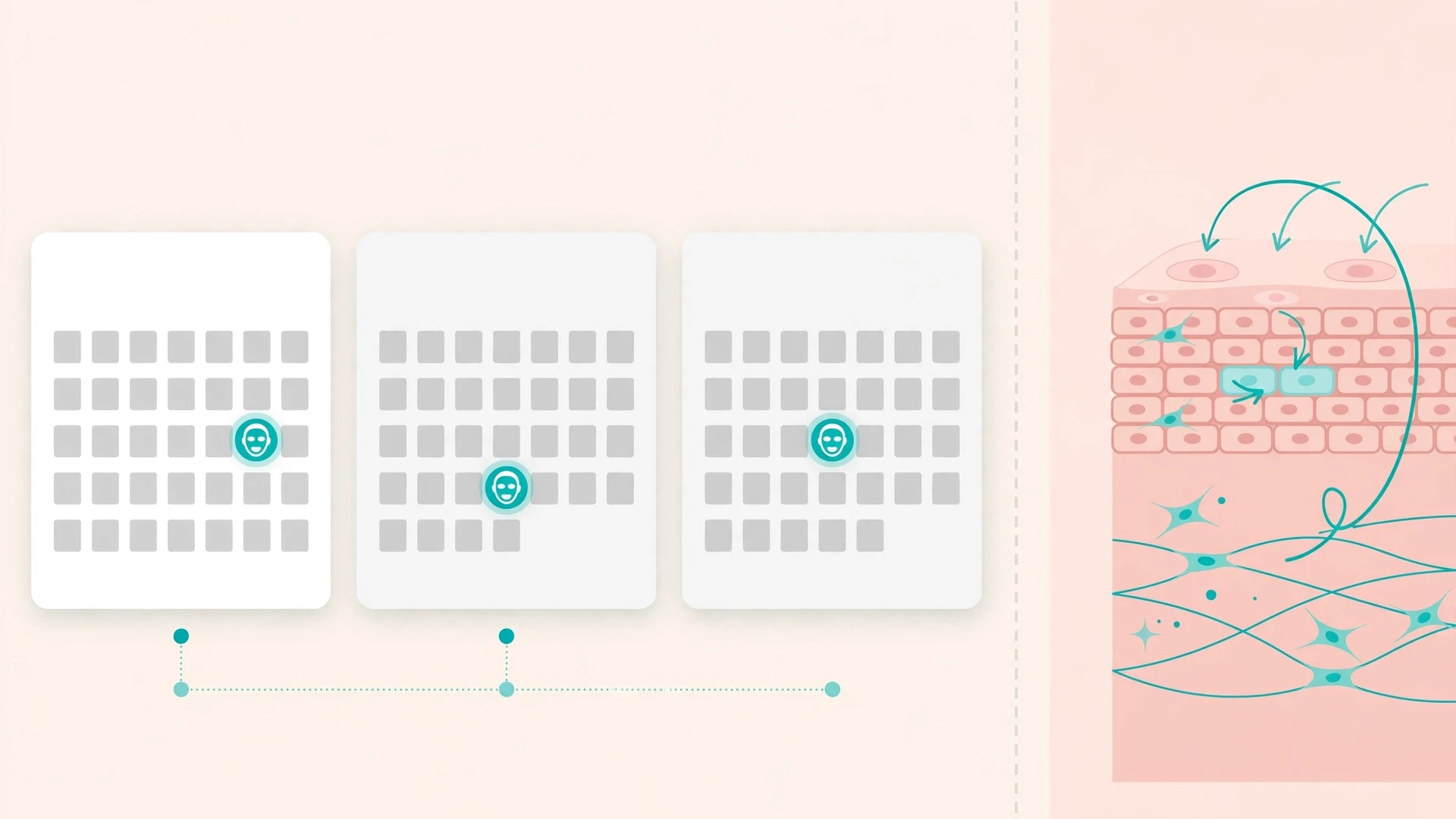
Most people get professional facials every 4 to 6 weeks, and that spacing matches the skin renewal cycle of about 28 days. Skin cells renew in about 28 days (Source: Rejuve Day Spa, 2026), and a new surface layer each month gives the esthetician fresh skin to treat. Dermatologists quoted by Byrdie recommend a facial every 4 to 6 weeks to maintain skin health and radiance (Source: Byrdie, 2026).
Spacing changes with goal and skin state. Acne care may start with visits 2 to 3 weeks apart, then move to monthly visits once breakouts settle. Sensitive skin may need 6 to 8 weeks between visits, since frequent strong exfoliation can weaken the skin barrier. For event prep, book a trial facial a month earlier and the last facial 3 to 5 days before the event.
Budget also shapes frequency: a quarterly facial plus a steady home routine beats a monthly plan that stops after 2 visits.
Watch for 4 signs that a visit is due: dull texture, fast-returning blackheads, flaky patches, or uneven makeup. One sign alone does not demand a facial, and two or more signs across 2 weeks point to a booking.
Quotable: A 4 to 6 week rhythm fits most skin, and goal, sensitivity and budget set the exact spacing for each reader.
How Much Do Professional Facials Cost?
Professional facials cost $75 to over $300 per session, and the facial type, session length and clinic location set the price. Facials typically cost anywhere from $75 to over $300 (Source: GoodRx, 2025), and medical facials average $100 to $350 per session (Source: Beautifi, 2026).
A classic 60 minute facial sits at the low end in most towns. A HydraFacial or a facial with LED therapy sits higher, since device time and serums add cost, and a chemical peel facial also sits higher. City and dermatologist clinics charge more than small-town day spas.
Price does not prove quality on its own: provider skill, product choice and a real consultation matter more than a brand name on the menu. Ask 4 questions before paying: which products, how long, what downtime, and what aftercare is part of the price.
Packages cut the per-visit price in many clinics: a pack of 6 monthly facials may cost less per visit than 6 single bookings. Check the expiry date and whether missed visits carry over before buying.
Quotable: Professional facial prices run from $75 to over $300 per session, and type, length and location explain the range.
What Should You Do Before and After a Facial?
Before a facial, pause strong acids and retinoids for 3 to 5 days, arrive with clean skin, and bring a product list; after a facial, use a mild cleanser, moisturizer and sunscreen for 48 hours, and skip scrubs, strong acids and heavy makeup for 1 day. The checklist below covers both sides of the visit.
Before the visit:
- Pause retinol, glycolic acid and salicylic acid products 3 to 5 days before.
- Skip waxing, threading and strong peels for 1 week before.
- Arrive with little or no makeup, and tell the esthetician about allergies, medicines and skin conditions.
After the visit:
- Skip washing the face on the night of the facial, if the esthetician advises it.
- Use a mild cleanser, a plain moisturizer and sunscreen for 48 hours.
- Skip scrubs, acids, retinoids, steam rooms, heavy makeup, hot showers and hard workouts for 1 to 2 days.
- Clean makeup brushes on the day of the facial for a fresh start.
Mild redness after extraction is normal and fades within hours for most skin, and small breakouts after a deep-cleansing facial can occur as extraction brings congestion to the surface. Do not pick at spots after a facial, since picking risks marks and infection, and call the clinic when redness, swelling or pain lasts past 48 hours.
Sun care matters most after exfoliation: fresh skin burns with ease, so sunscreen with SPF 30 or higher is part of aftercare. Reapply through the day outdoors.
Quotable: Gentle care for 48 hours after a facial protects the result, and sunscreen is the single most useful aftercare step.
What Are the Risks, and Who Should Skip a Facial?
No, professional facials are not risk-free: mild redness, breakouts, irritation and allergic reactions can occur, and people with active infections, open wounds, severe eczema flare-ups or recent sunburn should skip a facial until skin heals. The risks stay low when the esthetician knows the full skin history.
Common mild effects include redness for hours, dry patches, and small breakouts after extraction. Stronger effects include allergic reactions, burns from a peel left on too long, and marks from forceful extraction. Patch testing a new product on the jaw or behind the ear lowers allergy risk.
Skip or delay a facial in 6 cases: an active cold sore or skin infection, open cuts or wounds, a severe eczema or rosacea flare, recent sunburn, a chemical peel or laser treatment in the past 2 weeks, or prescription isotretinoin use without dermatologist clearance. Rosacea-prone skin needs a calming facial only, with no steam and no strong acids, and pregnant readers should tell the esthetician, since some peels and plant oils are avoided in pregnancy.
Choose a licensed esthetician in a clean clinic, and check that tools are cleaned between clients and products list ingredients. A clinic that skips the consultation step is a warning sign.
Quotable: Professional facials carry small risks for most skin, and a full health history plus a licensed provider keep those risks low.
How Do Professional Facials Fit a Daily Skincare Routine?
Professional facials fit a daily skincare routine as a monthly deep treatment, while daily care handles cleansing, moisture and sun protection between visits. Skin care is the practice of maintaining and improving the health and appearance of the skin, and it includes washing, moisturizing, protecting from the sun, and treating skin problems, as described on the skin care guide. Daily care has 4 steps: gentle cleansing morning and night, a targeted serum, moisturizer matched to skin type, and sunscreen each morning. A facial clears buildup and lets the esthetician adjust that routine.
After a facial, ask which home products to keep, pause or add, and change one product at a time, so a reaction can be traced to one cause.
Voice of Wave covers health guides for readers in this same plain, practical style.
Quotable: Daily skincare care carries the result between visits, and a monthly professional facial resets and checks that routine.
Conclusion
Professional facials are planned clinic treatments that cleanse, exfoliate, extract and hydrate the face in 6 steps, and they work best as a monthly part of a daily skincare routine. Pick the facial type that matches the main skin concern, book every 4 to 6 weeks when budget allows, and protect results with gentle care and sunscreen for 48 hours after each visit. Ask about products, downtime and price before booking.
Explore more health guides and the latest articles on the Voice of Wave blog.
Frequently Asked Questions
Are professional facials worth the cost?
Yes, professional facials are worth the cost for readers who want deeper cleansing, extraction and hydration than a home routine gives, when the facial matches a real skin concern. A classic facial at $75 to $150 gives a clear result for most first-time readers, and a steady home routine keeps that result alive between visits.
How often should I get a professional facial?
Get a professional facial every 4 to 6 weeks for general upkeep, since that spacing matches the skin renewal cycle of about 28 days. Acne care may start closer together, and sensitive skin may need 6 to 8 weeks between visits, so let the esthetician set the exact rhythm.
Do professional facials help acne?
Yes, professional facials help mild to moderate acne by clearing clogged pores, removing blackheads and calming inflammation with salicylic acid care. Severe, cystic or infected acne needs a dermatologist, and a facial cannot replace prescription acne treatment.
Can I wear makeup after a facial?
No, skip heavy makeup for 24 hours after a facial, so serums and moisture can settle and pores stay clear. Light mineral makeup is fine after a few hours for most skin, and clean brushes on facial day lower the chance of new breakouts.
Do facials hurt?
No, most facials do not hurt, and clients feel mild pressure during extraction and warmth during steam. Strong peels can sting for minutes, and a good esthetician stops or softens any step that causes real pain.
Are facials safe for sensitive skin?
Yes, facials are safe for sensitive skin when the facial is a calming type with fragrance-free products, short steam and no strong acids. Tell the esthetician about every past reaction, and ask for a patch test before any new product touches the full face.