
There are 12 common types of massage, and the right one depends on your goal. Swedish massage suits first timers and stress relief, deep tissue massage suits chronic tension, sports massage suits training recovery, and Thai massage suits flexibility. Prenatal massage suits pregnancy discomfort, and hot stone massage suits people who want heat with gentle pressure.
Massage therapy is the hands-on manipulation of muscle and soft tissue by a trained therapist. A session can calm stress, loosen tight muscle, and support sleep, and the style you pick decides how much pressure you feel and which body parts get the focus. This guide covers 12 common types of massage, pressure and clothing rules, typical session lengths, safety notes, and a simple way to match a style to your goal.
Key Takeaways
- Swedish massage is the best first massage: light to medium pressure, full body.
- Deep tissue and trigger point therapy suit chronic tension; expect firm pressure.
- Sports and Thai massage suit active people; Thai adds stretching.
- Shiatsu and Thai massages are done fully clothed with no oil.
- Prenatal massage uses side-lying positions; check with a doctor first.
Table of Contents
- What Is Massage Therapy?
- Which Massage Is Best for Relaxation?
- Which Massage Helps Chronic Pain and Tight Muscles?
- Which Massage Suits Athletes and Active People?
- What Is Shiatsu Massage and How Does It Work?
- Which Massage Is Safe During Pregnancy?
- What Do Lymphatic Drainage and Reflexology Do?
- How Do You Choose the Right Type of Massage?
- What Happens at Your First Massage Appointment?
- When Should You Skip a Massage or Talk to a Doctor First?
- Conclusion
What Is Massage Therapy?
Massage therapy is the hands-on manipulation of soft tissue, including muscle, tendons, and fascia, by a trained therapist. Massage therapy uses pressure, kneading, and stretching to ease tension, support circulation, and calm the nervous system. Sessions run 30 to 90 minutes.
Tomb art in Saqqara, Egypt, from around 2330 BC shows two men having work done on their feet and hands. The modern menu took shape in the 1800s, when Dutch practitioner Johan Georg Mezger gave French names to five basic massage techniques: effleurage, petrissage, friction, tapotement, and vibration.
Research estimates put the US massage therapy industry at $12.1 billion in 2015 (Source: research estimates cited by Wikipedia, 2015). In the United States, all but five states require massage therapists to hold a license (Source: Wikipedia, 2026).
Which Massage Is Best for Relaxation?
Swedish massage is the best massage for relaxation for most people, and hot stone massage and aromatherapy massage rank next. Swedish massage uses long, gliding strokes and light to medium pressure across the full body. Hot stone massage adds heat that loosens tight muscle. Aromatherapy massage adds plant oils to a gentle Swedish base.
Swedish Massage
Swedish massage is the classic full-body massage at most spas. The therapist uses long strokes and kneading, with oil or lotion on the skin. Pressure stays light to medium, and the session runs 60 to 90 minutes. Swedish massage suits first timers and anyone whose main goal is stress relief. Browse more health guides in the Health category on Voice of Wave for related self-care topics.
Hot Stone Massage
Hot stone massage uses smooth, heated basalt stones on the back. Heat relaxes tissue and nerves, so the therapist can work deep into tension with less force. The stones should feel warm, never burning. Hot stone massage suits stubborn knots and people who dislike firm deep tissue pressure.
Aromatherapy Massage
Aromatherapy massage is a full-body treatment that uses plant oils. The therapist applies diluted oils to the skin while the scent fills the room. Aromatherapy massage pairs with Swedish massage rather than standing alone. Plant oils can irritate sensitive skin, so ask for a patch test first.
Pair your massage with a facial: read our guide to professional facials for glowing skin.
Which Massage Helps Chronic Pain and Tight Muscles?
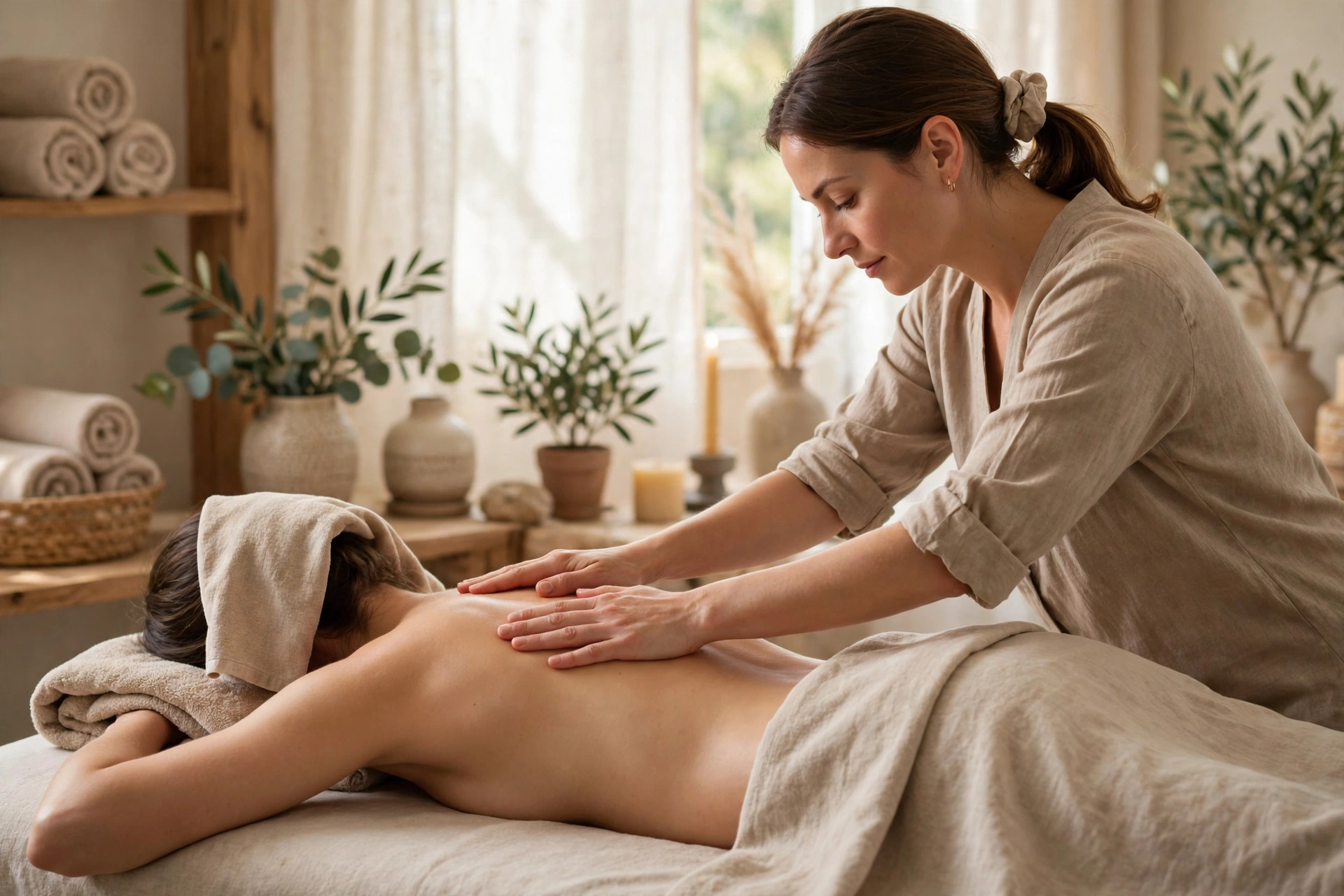
Deep tissue massage is the best massage for chronic tension, and trigger point therapy and myofascial release target one painful spot or a stiff band of tissue. Deep tissue massage uses slow, firm pressure on deeper muscle layers and fascia. Trigger point therapy holds pressure on one knot until the muscle releases.
Deep Tissue Massage
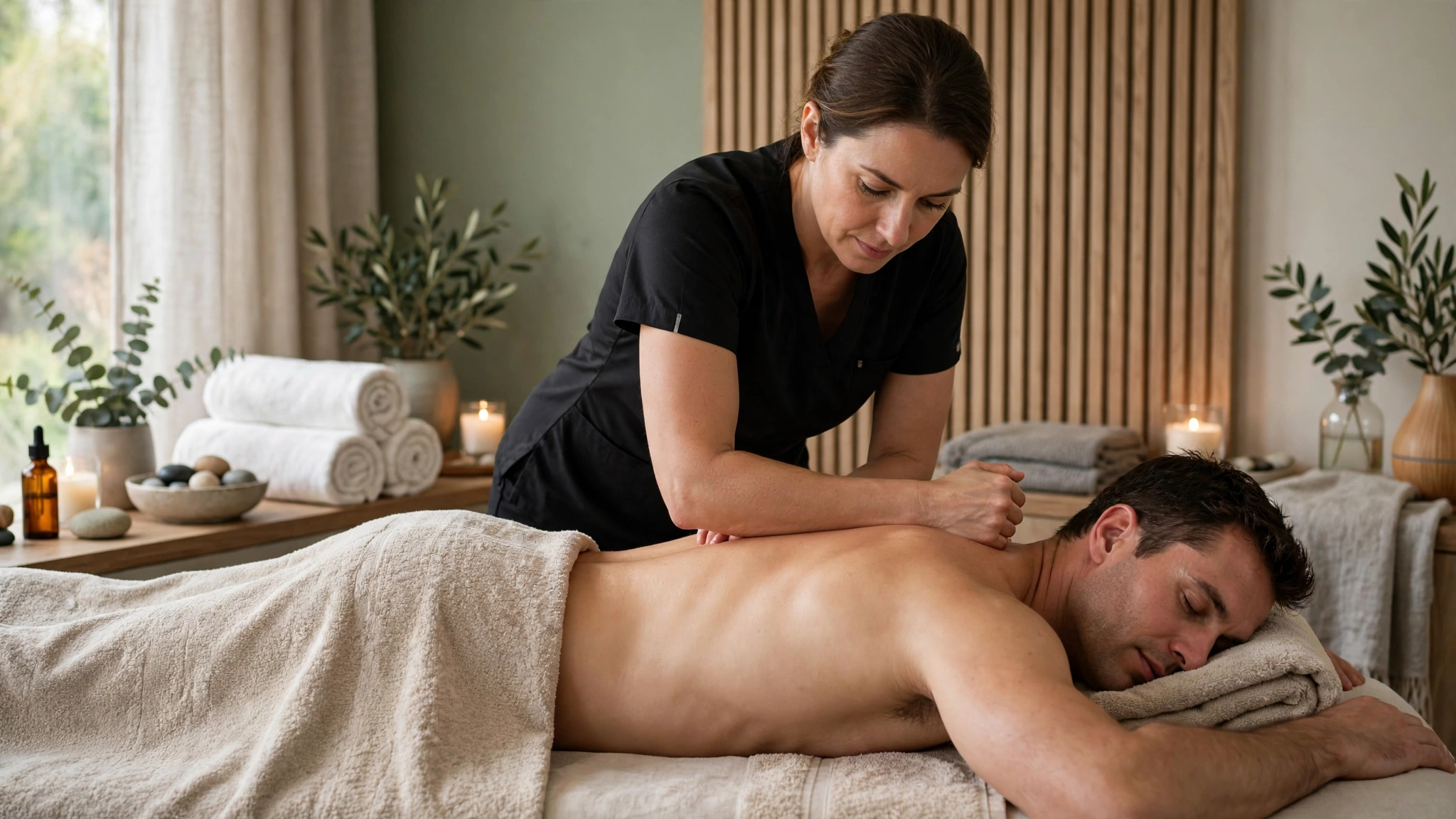
Deep tissue massage targets deeper layers of muscle and connective tissue with slow, concentrated pressure. It feels like firm, steady pressure on muscle knots, held until the muscle releases. The pressure may feel uncomfortable, but it should not feel painful, so tell the therapist at once if pain starts.
Trigger Point Therapy
A trigger point is a tiny muscle spasm or tight spot, often called a knot. Trigger points can refer pain elsewhere, so a knot in the shoulder can cause a headache. The therapist applies direct, sustained pressure to the exact spot until it releases. Trigger point therapy suits sciatica, rotator cuff pain, plantar fasciitis, and stiff joints.
Myofascial Release
Fascia is a web of connective tissue under the skin that supports muscle. Myofascial release kneads and stretches muscle and fascia to work out tension, using time rather than force. It suits neck, shoulder, and back tightness.
Which Massage Suits Athletes and Active People?
Sports massage suits athletes best, and Thai massage suits active people who want flexibility and mobility work. Sports massage targets the muscle groups that take the most load in one sport, and it runs 30 to 90 minutes. Thai massage combines rhythmic pressure with assisted, yoga-like stretches, and sessions run 60 to 120 minutes.
Sports Massage
Sports massage is similar to deep tissue massage, but it zeroes in on the muscles that take a beating in one sport or repetitive activity. Therapists use it before events to warm muscles up and after events to speed recovery. Sports massage suits runners, gym-goers, and cyclists. Tell the therapist about your training schedule and recent workouts.
Thai Massage
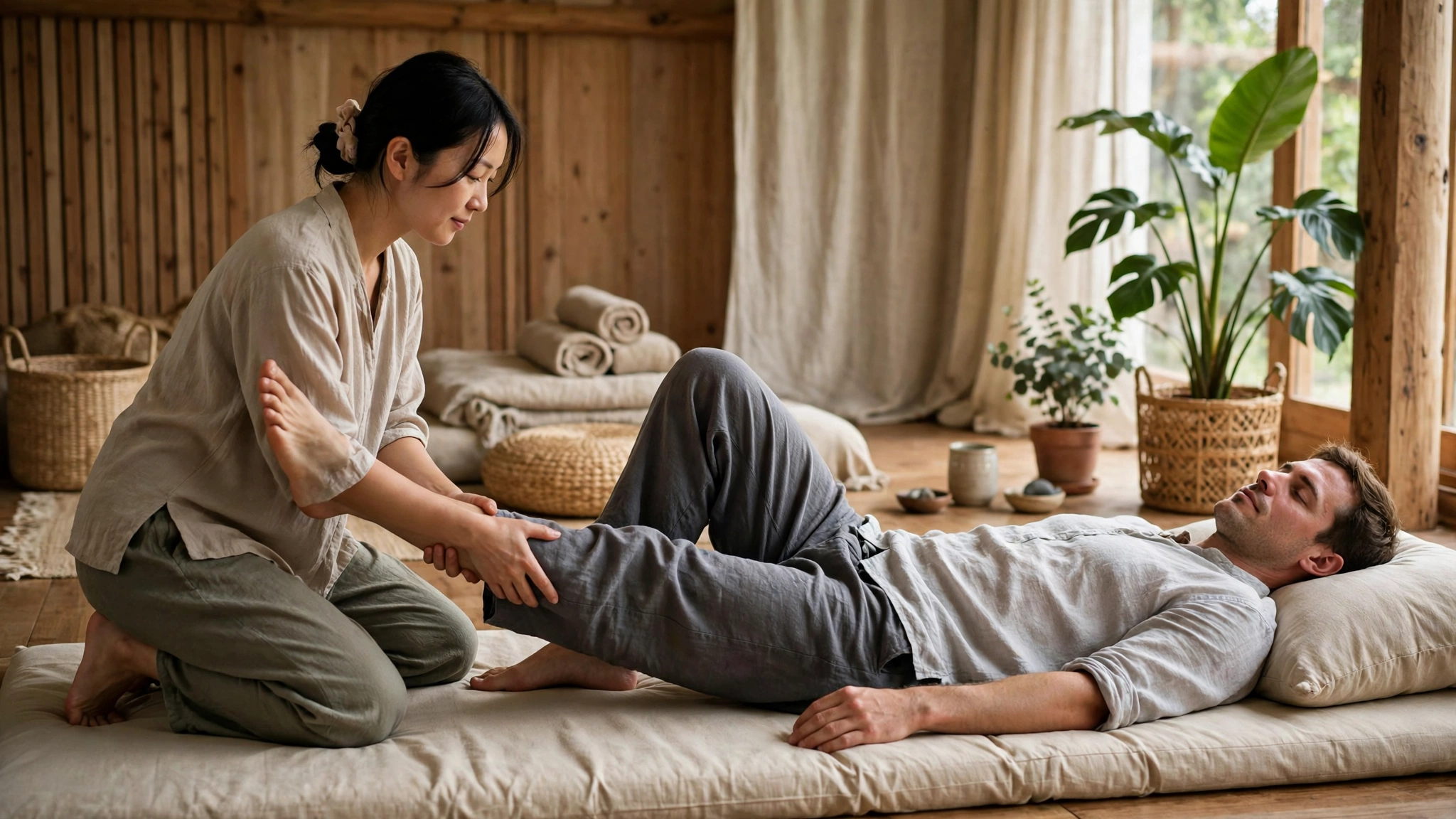
Thai massage, also called Nuad Thai, is part of Traditional Thai Medicine, and it focuses on moving energy, called Sen, through the body. Traditional Thai massage combines acupressure with assisted yoga postures, and the recipient stays fully clothed on a floor mat, with no oil. UNESCO added Nuad Thai to its Intangible Cultural Heritage list in December 2019 (Source: UNESCO, 2019). In Thailand, a licensed traditional Thai massage practitioner must complete at least 800 hours of training (Source: Thai Ministry of Public Health, 2016).
What Is Shiatsu Massage and How Does It Work?
Shiatsu massage is a Japanese style of massage therapy that uses finger and thumb pressure on points along energy channels, called meridians, in the body. Shiatsu massage is a full-body treatment done fully clothed, with no oil, on a floor mat or a low table. The therapist uses thumbs, finger pads, and elbows for rhythmic pressure.
Shiatsu massage feels like steady pressure on points of the body, firm but not painful. Shiatsu massage suits stress, fatigue, sleep issues, and people who prefer to stay dressed.
Which Massage Is Safe During Pregnancy?
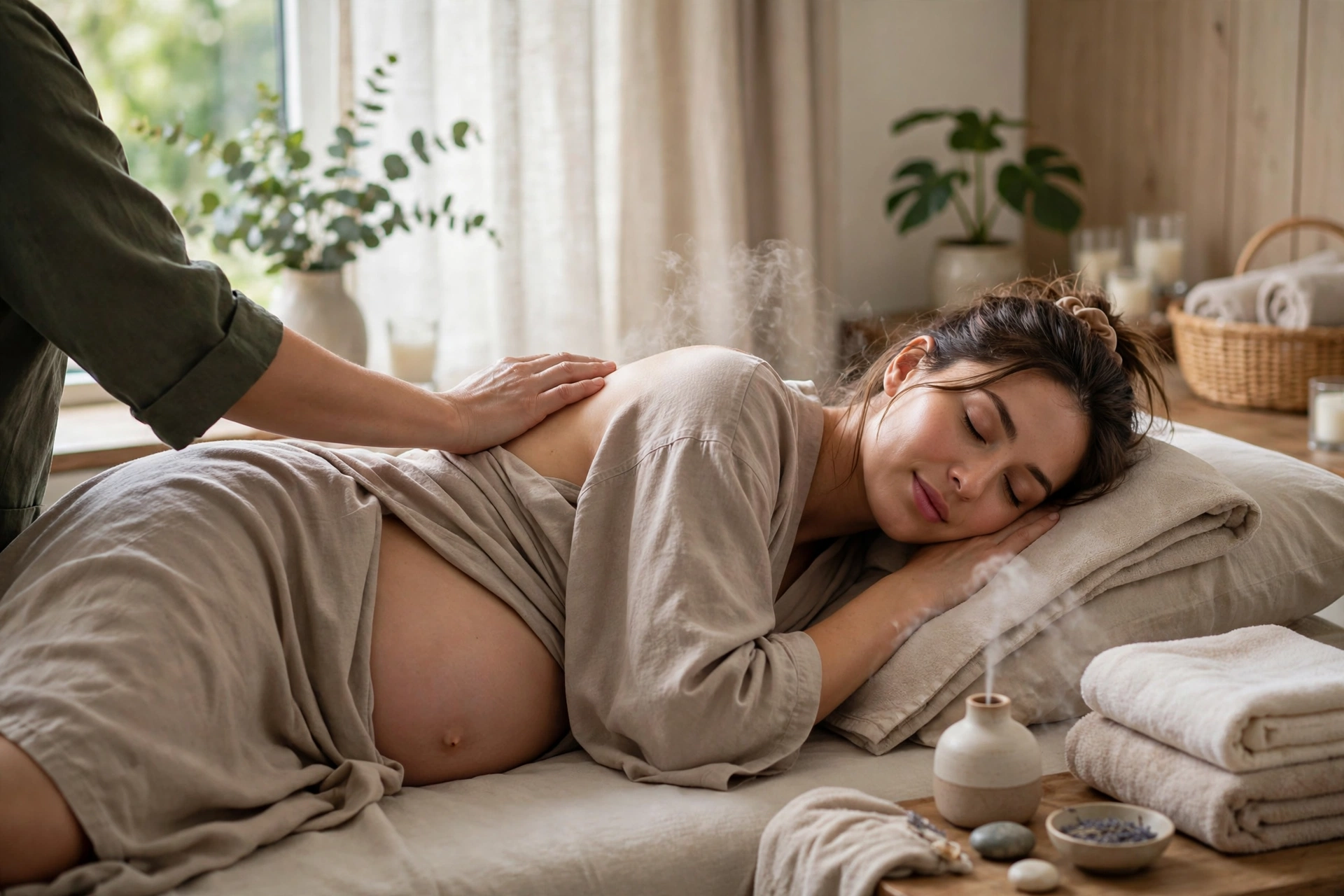
Prenatal massage is the massage built for pregnancy, and it is safe for most pregnant people after the first trimester with a doctor’s clearance. Prenatal massage uses light to medium pressure, side-lying positions, and techniques adjusted for a pregnant body.
Prenatal massage eases lower back pain, hip discomfort, leg swelling, and fatigue. Book prenatal massage only with a therapist trained in prenatal work. Many therapists suggest waiting until after the first trimester, so check with a doctor or midwife before booking.
What Do Lymphatic Drainage and Reflexology Do?
Lymphatic drainage massage uses gentle, rhythmic strokes to help lymph fluid flow, and reflexology applies pressure to points on the feet and hands. Lymphatic drainage massage suits swelling and post-surgery recovery once a doctor gives clearance. Reflexology suits tired feet and people who want a focused treatment without removing clothing.
Lymphatic Drainage Massage
Lymphatic fluid maintains fluid levels and removes waste products. Lymphatic drainage massage uses a very light touch to help lymph fluid flow more freely, and it suits people with inflammation, including arthritis and people who have had lymph nodes removed.
Reflexology
Reflexology is a foot treatment based on the idea that points on the feet correspond to organs and systems in the body. Practitioners apply pressure to mapped points on the feet and hands. Sessions run 30 to 60 minutes, and only the feet stay uncovered. Reflexology suits people who spend long hours on their feet.
How Do You Choose the Right Type of Massage?
Choose a massage by naming your goal first, then matching pressure, clothing, and session length to that goal. Swedish massage fits relaxation and first timers. Deep tissue massage fits chronic tension. Sports massage fits training recovery. Thai massage fits flexibility. Prenatal massage fits pregnancy discomfort.
Follow these 6 steps to pick with confidence:
- Name your goal: relaxation, pain relief, flexibility, or pregnancy comfort.
- Pick your pressure comfort: light, medium, or firm.
- Decide on clothing: stay dressed with shiatsu or Thai, or undress for Swedish and deep tissue.
- Set your time: 30 minutes for one area, 60 for full body, 90 for deep work.
- Tell the therapist about injuries, pain spots, and pressure limits.
- Book Swedish first if you are unsure, then try a firmer style next time.
In my own bookings, five minutes talking with the therapist changed the result more than the technique on the menu did. At Voice of Wave, our health guides match everyday questions with plain answers.
Types of Massage at a Glance
| Type | Pressure | Clothes on | Best for |
|---|---|---|---|
| Swedish | Light to medium | No | Relaxation |
| Deep tissue | Firm to intense | No | Chronic tension |
| Hot stone | Light to medium | No | Heat therapy |
| Sports | Medium to firm | Sometimes | Training recovery |
| Thai | Medium to firm | Yes | Flexibility |
| Shiatsu | Medium to firm | Yes | Stress |
| Trigger point | Firm to intense | No | One painful spot |
| Prenatal | Light to medium | No | Pregnancy discomfort |
| Aromatherapy | Light to medium | No | Stress, sleep |
| Lymphatic drainage | Very light | No | Swelling, recovery |
| Reflexology | Light to medium | Yes, feet only | Foot tension |
| Myofascial release | Gentle, sustained | No | Stiffness |
What Happens at Your First Massage Appointment?
A first massage appointment has 3 parts: a short intake chat, the hands-on session, and a brief aftercare note. The whole visit runs about 75 to 105 minutes for a 60-minute session. Arrive 10 to 15 minutes early, and mention injuries and health conditions on the form.
Before the session, the therapist leaves the room so you can undress to your comfort level and lie under a sheet, with only the area being worked on uncovered. For Thai and shiatsu massage, you stay fully clothed on a floor mat. During the session, speak up at once if the pressure feels too much or too little.
After the session, get up slowly, because deep relaxation can cause lightheadedness. Drink water, and expect mild soreness the next day after deep tissue work. In the United States, a 15 to 20 percent tip is standard for a good massage.

When Should You Skip a Massage or Talk to a Doctor First?
Skip a massage with a fever, an active infection, a contagious skin condition, or a suspected blood clot, and talk to a doctor first after major surgery or with uncontrolled high blood pressure. Massage raises blood flow, so some conditions call for a pause or a changed approach.
Talk to a doctor before booking if any of these apply to you:
- Fever, active infection, or a contagious skin condition
- Suspected blood clot or a history of blood clots
- Uncontrolled high blood pressure
- Recent major surgery without medical clearance
- Neuropathy, before booking hot stone massage
- Cancer treatment, before booking hands-on therapy
Massage is a complementary therapy, not a replacement for medical care. Persistent or unexplained pain needs assessment by a doctor or physiotherapist.
Conclusion
Types of massage differ in pressure, pace, clothing, and goal, and the best choice starts with your goal. Swedish massage is the safe first booking for relaxation, deep tissue massage suits chronic tension, sports massage suits training recovery, and Thai massage suits flexibility. Use the comparison table above, tell the therapist your goal and pressure limit, and check with a doctor first if a medical condition applies.
Explore more health guides: Visit the Voice of Wave blog for fresh articles on wellness, self-care, and everyday health topics.
Frequently Asked Questions
What is the most relaxing type of massage?
Swedish massage is the most relaxing type of massage for most people. Swedish massage uses long, gliding strokes and light to medium pressure across the full body, and the slow pace calms the nervous system. Hot stone massage ranks second for relaxation because heat loosens tight muscle before pressure arrives.
Which massage is best for back pain?
Deep tissue massage is the best choice for back pain caused by chronic tension, because it uses slow, firm pressure on deeper muscle layers and fascia. For pain that radiates from one exact spot, trigger point therapy works better, because it holds pressure on the knot until the muscle releases. Tell the therapist where the pain sits.
What is the difference between Swedish and deep tissue massage?
Swedish massage uses lighter pressure and long strokes to promote relaxation and circulation across the whole body. Deep tissue massage uses firmer, slower pressure to target deeper muscle layers and connective tissue, so it suits chronic pain better. If you are unsure which you need, start with Swedish massage and ask for deeper pressure.
Is it normal to feel sore after a massage?
Yes, mild soreness after a massage is normal, above all after deep tissue or trigger point massage. Mild soreness 12 to 24 hours after a session is common and passes quickly, and drinking water after the session helps. If you feel significant soreness after every session, tell the therapist.
Can I get a massage while pregnant?
Yes, prenatal massage is built for pregnancy, but book only with a therapist trained in prenatal work and check with a doctor first. Prenatal massage uses light to medium pressure and side-lying positions to ease lower back pain, hip discomfort, and leg swelling. Many therapists suggest waiting until after the first trimester before booking.
Do I need to undress for a massage?
For Swedish, deep tissue, hot stone, and aromatherapy massage, you undress to your comfort level and lie under a sheet, with only the area being worked on uncovered. For Thai massage and shiatsu massage, you stay fully clothed, with no oil used. Reflexology needs only your feet uncovered, so it suits people who prefer to stay dressed.